The drowned port of ancient Cyrene, where Greek columns and Byzantine basilicas meet a coastline that has been quietly sinking for two thousand years.
I’ll admit I hadn’t heard of Apollonia before a fixer in Shahhat mentioned it almost in passing — “you know Cyrene had a port, right?” Lia and I had spent the previous two days wandering the hilltop ruins of Cyrene itself, and the idea that its harbor town still existed, a short drive down toward the coast at modern Susa, felt like a bonus we hadn’t planned for. We got there in the late morning, and the light off the Mediterranean was doing something almost unfair to the honey-colored stone.
What struck me first wasn’t the size of the site — Apollonia is compact compared to Cyrene up the hill — but how layered it is. The Greek colonists who founded it around the 6th century BC built it purely as a working port, and you can feel that utilitarian bones. Then centuries later, when it became a Byzantine bishopric, whole basilicas rose on top of and beside the older stones, and you walk from one era into another in maybe twenty paces. Lia kept crouching to photograph the mosaic fragments still clinging to a nave floor while I tried, and mostly failed, to keep the dust off my boots.
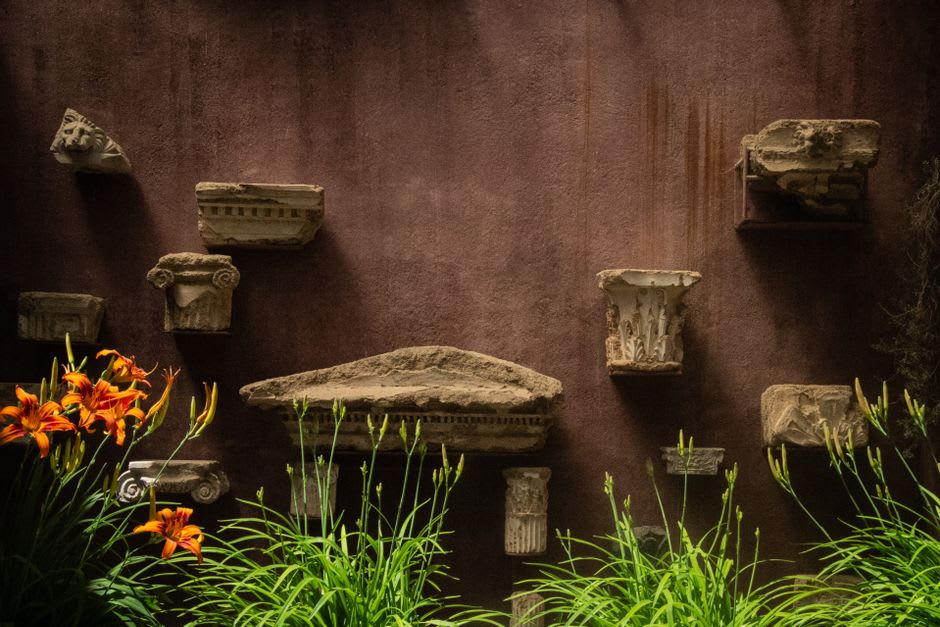
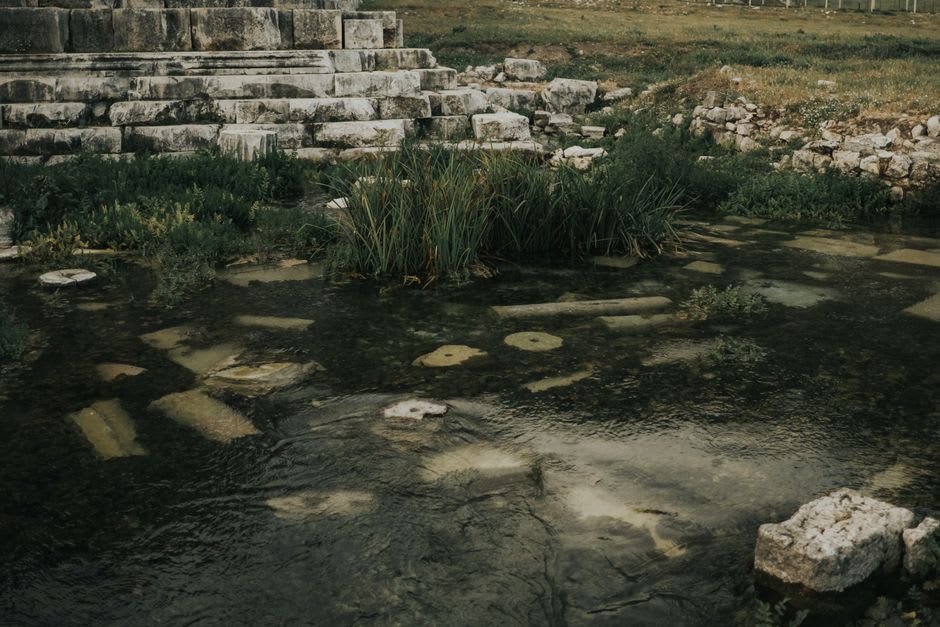
The real gut-punch moment, though, was at the eastern edge of the site, where the ground just stops and the sea takes over. Coastal subsidence has been dragging this stretch of shoreline down for two millennia, and part of the old harbor — quays, breakwaters, what I’m fairly sure was a mole — now sits just beneath the surface. The water here is so clear you can see the cut stone blocks lying in formation a few meters down, like the city simply kept building and the sea just moved in to fill the gap. I stood there longer than I meant to, watching small fish drift through what used to be someone’s warehouse.
We ate lunch afterward on a low wall overlooking the water — bread, olives, a tin of sardines Lia had smuggled from Benghazi — and neither of us said much for a while. There’s a particular kind of quiet that sites like this have when almost no other travelers are around, and Apollonia had that in full. It’s the kind of place that rewards not rushing.
When to go: aim for spring or autumn, when the coastal heat backs off enough to actually linger among the ruins instead of retreating to shade every twenty minutes.
Keep exploring
More from Libya
 libya
libya Benghazi
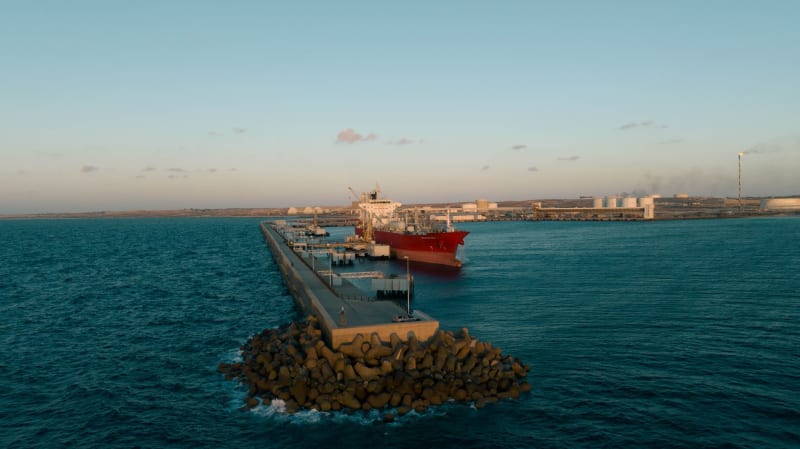
Libya's second city, complicated and coastal, where the corniche still curves along a sea that has a particular shade of green I have found nowhere else on the Mediterranean.
Explore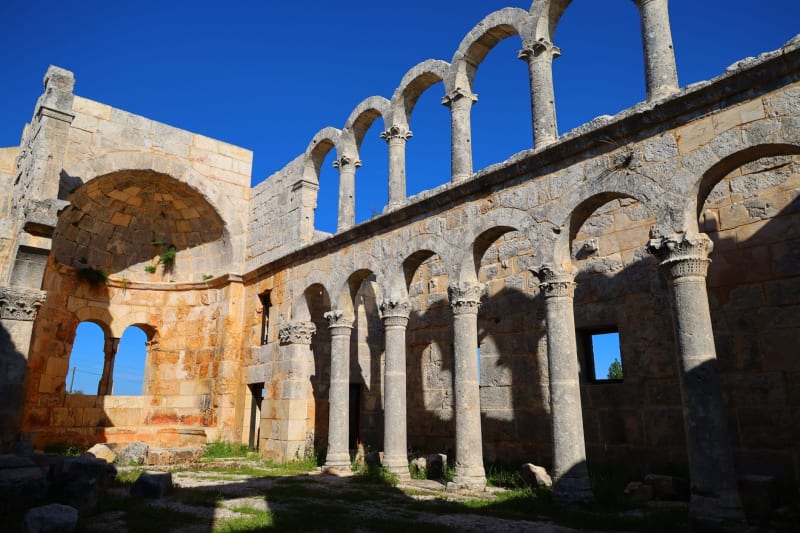 libya
libya Cyrene
Ancient Greece's African colony on a green limestone plateau — the ruins nobody expects to find in Libya, on a hillside that makes you question everything you thought you knew about North Africa.
Explore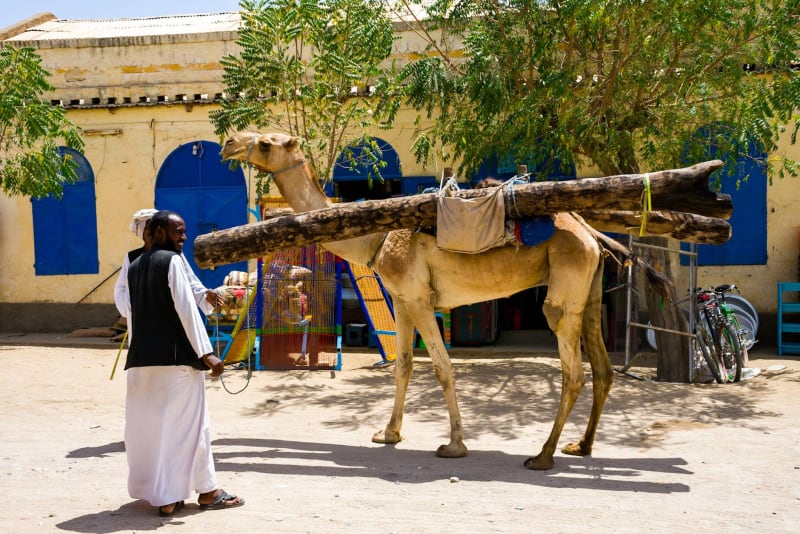 libya
libya Ghadames
A thousand-year-old mud-brick oasis city at the junction of three deserts, where the streets are roofed tunnels and the architecture is a thousand-year argument with heat.
Explore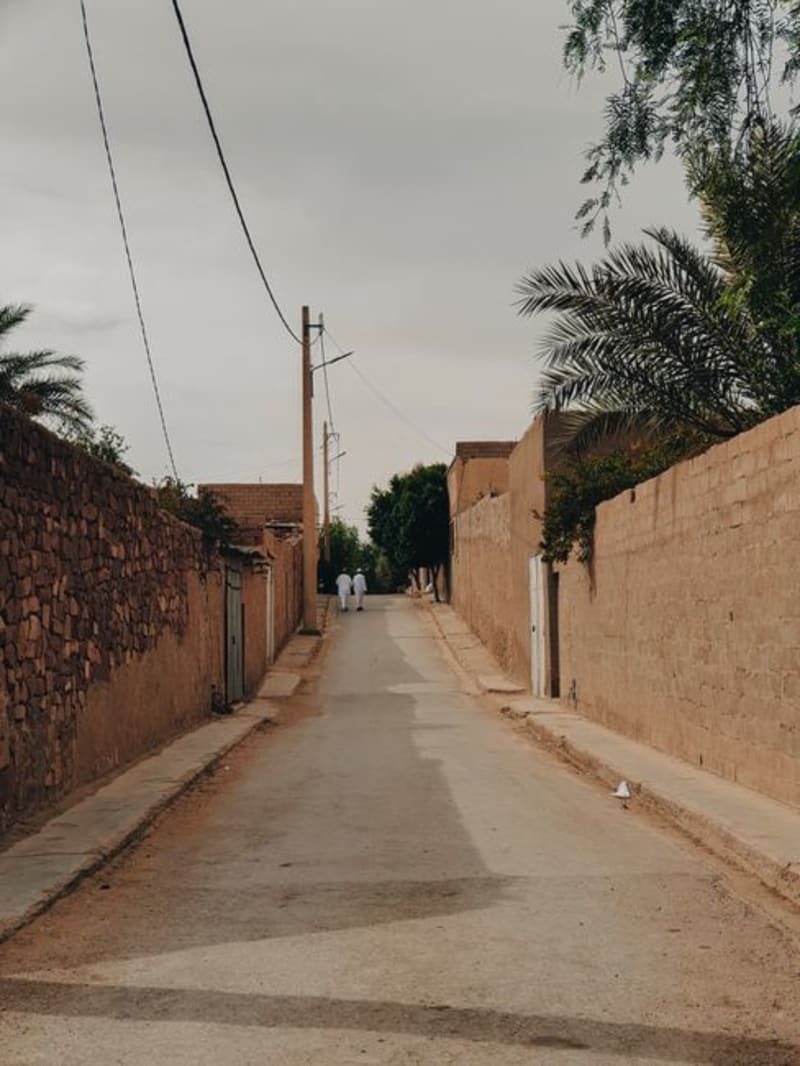 libya
libya Ghat
An oasis of mudbrick and Tuareg memory at the foot of the Akakus, where the Sahara's caravan roads once converged.
Explore libya
libya Jebel Akhdar
A limestone plateau in northeastern Libya so unexpectedly green that it makes you question everything you thought Libya was — juniper forests, terraced wheat fields, and mist in the valleys.
Explore libya
libya Leptis Magna
The largest Roman city on earth buried in Saharan sand, where six visitors on a good day share a colonnaded avenue wider than a motorway.
Explore