
Robertsport
"I've surfed in a dozen countries. Robertsport still lives in my chest somewhere."
The shared taxi from Monrovia takes three hours on a road that starts paved and becomes something else entirely past the Farmington River bridge. By the time we rolled into Robertsport on the Cape Mount peninsula, my bones felt like they’d been playing percussion. Then I walked to the beach. The wave was peeling perfectly from the headland in long, glassy lines, and there were two surfers out, and both of them were Liberian, and I stood there in the afternoon light feeling something very close to the particular emotion you feel when you find something the world hasn’t found yet.
Robertsport sits between the Atlantic and Lake Piso, the largest lake in Liberia, on a narrow strip of land where the fishing village bleeds into a small town and back into fishing village again. The beach curls around the cape in both directions — to the south, the main break the surfers call Outsiders offers a long right-hander that works best with a west or northwest swell; to the north, the beach stretches toward Cotton Tree, where the wave has a different character, faster and more powerful. The surfing here was discovered by a small community of expats and foreign aid workers who quietly started coming in the mid-2000s, set up a camp, trained local kids, and then mostly kept quiet. Which is why it remains what it is.
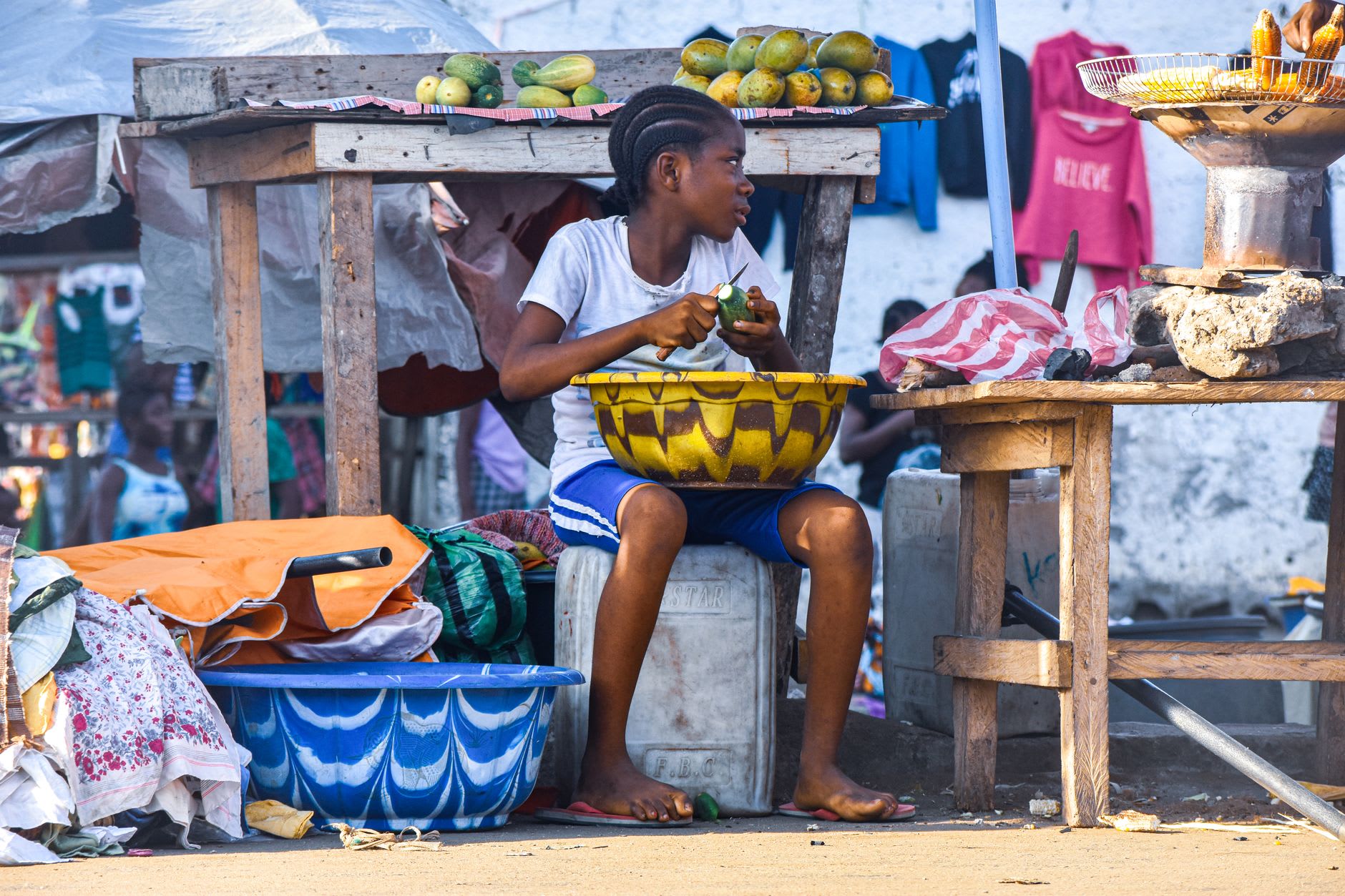
The town itself is structured around a fishing economy. The canoes come in from the lake and the ocean, and the catch — tilapia from the lake, barracuda and tuna from the Atlantic — gets sorted on the beach while women carry baskets on their heads to the drying racks. There’s a small market with basics, a handful of guesthouses, and the surfing camp that operates with solar power and serves rice and beans and whatever fish came in that morning. The life here is not oriented toward tourism. It is oriented toward survival and community, and travelers arrive into that world as guests rather than as customers. The distinction matters and the town makes it clear without making it unpleasant.
I borrowed a board from the camp on my second morning and paddled out at Outsiders in the early light, when the water was glassy and the other surfers hadn’t arrived yet. The wave stood up taller than I expected from the shore, and the first one I caught carried me for longer than I had any right to expect. When I kicked out at the end and turned to look back at the beach, I could see the fishing village, the palms, the lake glinting beyond the treeline, and the Cape Mount hill rising green behind everything. It was the kind of geography that makes you feel simultaneously small and fortunate in a way that is difficult to reproduce at home.
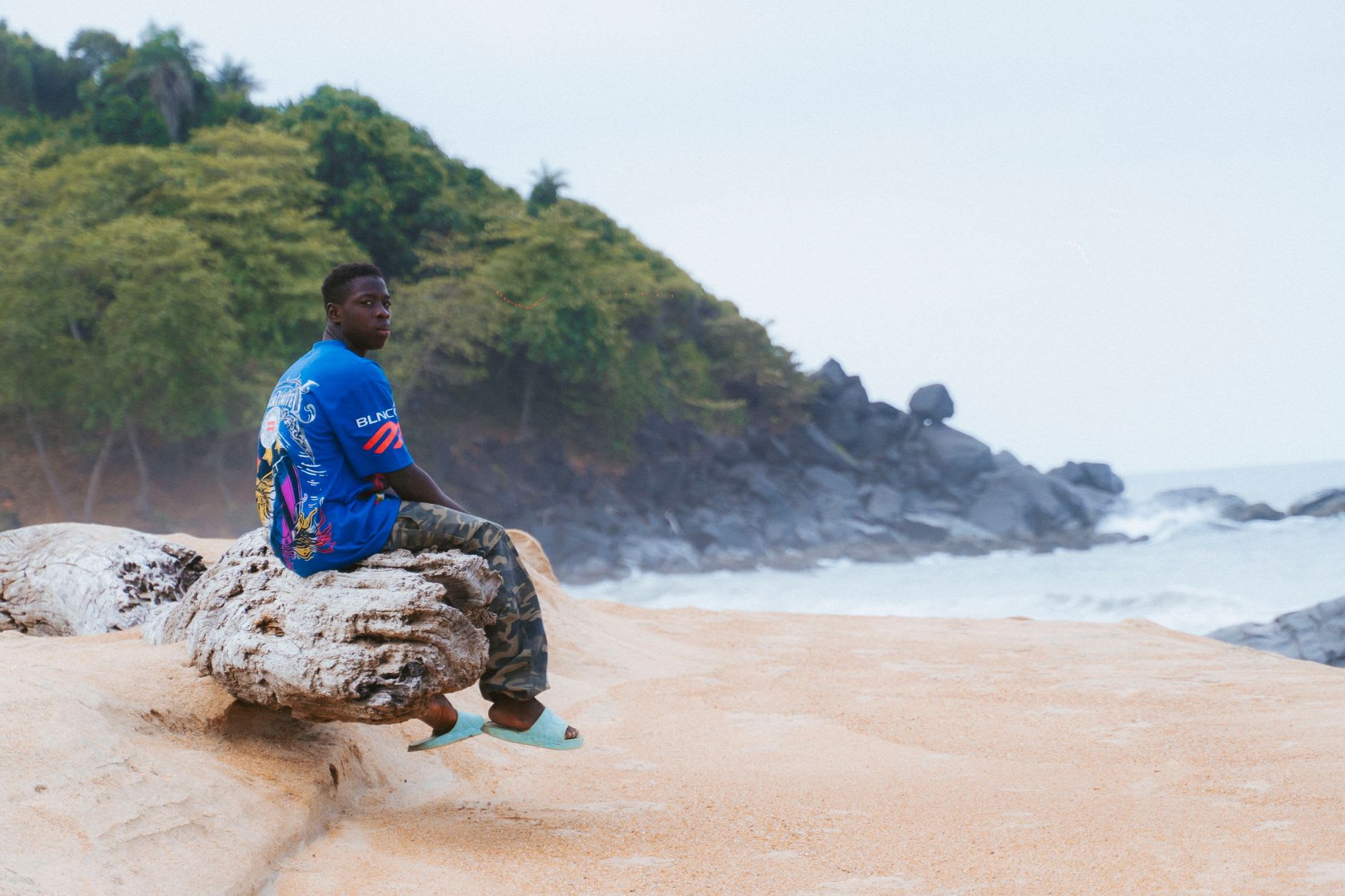
Evenings in Robertsport have a quality of stillness that I had stopped expecting from anywhere. No generator noise after ten. Fireflies in the vegetation along the lake edge. The sound of the surf carrying from the beach, and occasionally a radio somewhere playing Liberian highlife at low volume. I slept better there than I had in months. I’m not sure Robertsport can stay this way indefinitely — the word is slowly getting out — but for now it exists in that particular before-state that travelers dream of and rarely find.
When to go: November through April gives dry-season conditions with the most consistent swell. The road from Monrovia is at its most reliable in these months. Wet season rains from May to October can make the drive very difficult and occasionally impossible; the beach remains beautiful but the road situation can strand you, which some people consider a feature.