Africa
Liberia
"The West Africa that nobody told me about — and probably won't."
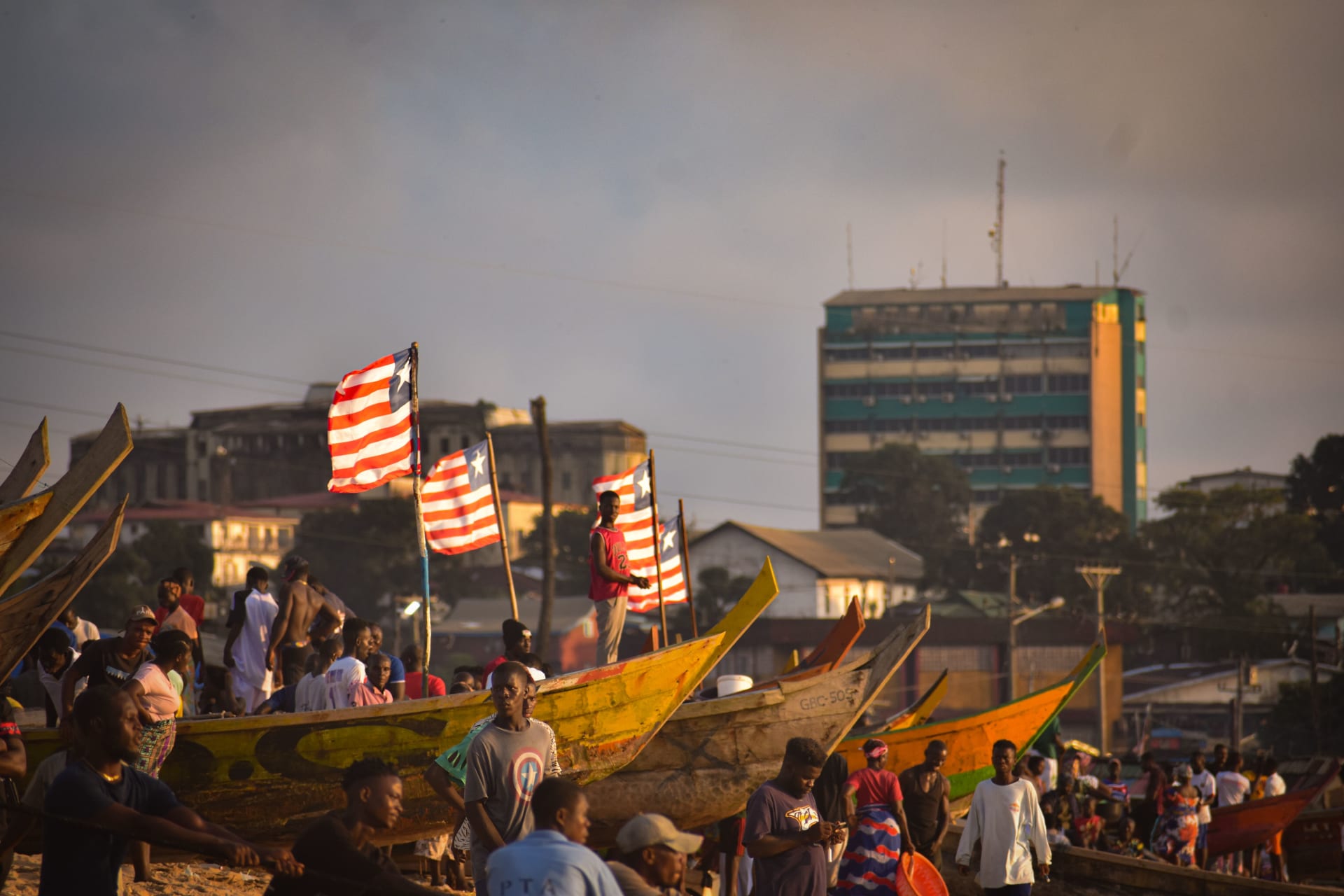
The first thing I noticed arriving into Monrovia’s Roberts International Airport was the quiet. Not the silence of emptiness, but the particular hush of a city that has survived things most cities haven’t, and decided to get on with it. The road into town is rough and the traffic is thick with motorbike taxis weaving between Liberian women in bright lappa cloth carrying impossible things on their heads with absolute elegance. Within an hour I had eaten grilled fish from a roadside woman using a charcoal stove and was already suspicious that I had booked too few days.
Liberia surprises you by being nothing like what a humanitarian news cycle implies. Yes, the scars of two civil wars are visible — buildings in Monrovia still bear bullet holes, and conversations with anyone over forty carry the weight of things seen. But the country has rebuilt with a determination that doesn’t ask for your admiration or your pity. The markets overflow with palm butter, cassava leaf, and pepper soup. The beaches at Silver Beach and Robertsport stretch for kilometers of unspoiled Atlantic sand, interrupted only by the occasional Liberian family on a weekend outing. The surf at Robertsport is legitimately world-class, and the handful of travelers who’ve discovered it mostly keep quiet about it.
The rainforest is the secret Liberia doesn’t advertise. The country holds the largest remaining block of Upper Guinean forest in West Africa — a biosphere reserve shared with Guinea and Sierra Leone that still shelters pygmy hippos, forest elephants, and chimpanzees. Sapo National Park is genuine wilderness in a way that most African parks haven’t been for decades: no paved roads inside, no luxury lodges, no set-piece viewpoints. You go in by dugout canoe along the Sinoe River and spend the night listening to the forest work. I came for the coast. I stayed longer for the trees.
When to go: November to April is the dry season and the practical window for travel — roads are passable, the forest trails are walkable, and Robertsport’s surf peaks. May through October brings heavy rains that can close unpaved roads entirely and make the interior very difficult. The coast stays beautiful year-round, but inland travel requires the dry season.
What most guides get wrong: They don’t write about Liberia at all, which is itself the problem. The few who do frame it exclusively through the lens of postwar fragility, as if the country is still mid-crisis rather than a place where people live, cook exceptional food, surf, farm, and build something new. Liberia is not ready for mass tourism — which is precisely why going now means you’ll have Robertsport’s waves nearly to yourself, Sapo National Park with virtually no other visitors, and the kind of encounters with local people that happen when a destination hasn’t been processed by the travel industry yet. That window won’t stay open forever.