Kpatawee Waterfall
"I'd been sweating through Liberia's heat for a week. The waterfall felt almost rude in its perfection."
The directions I received for Kpatawee were given in the Liberian way that I’ve come to understand means they are accurate only if you already know roughly where you’re going. “Turn at the big mango tree after the village, then follow the small road until you hear water.” I had been in Gbarnga for two days, and a teacher at the secondary school named Thomas had told me about the waterfall in the way people mention things they consider obvious about their home that outsiders never think to ask about. I took a motorbike taxi and we found the mango tree on the third attempt and then heard water exactly as promised.
The waterfall is double-tiered, which I hadn’t expected — the first falls drop perhaps eight meters into a pool, then the water gathers and falls a second time over a rock shelf into the main swimming hole below. The forest around it is the kind of close, humid, listening forest that makes the noise of the falls feel like it’s coming from everywhere at once rather than from one specific point. The path down to the water is steep and slick and I descended it in the fashion of someone who would prefer not to fall and doesn’t fully trust their footwear.
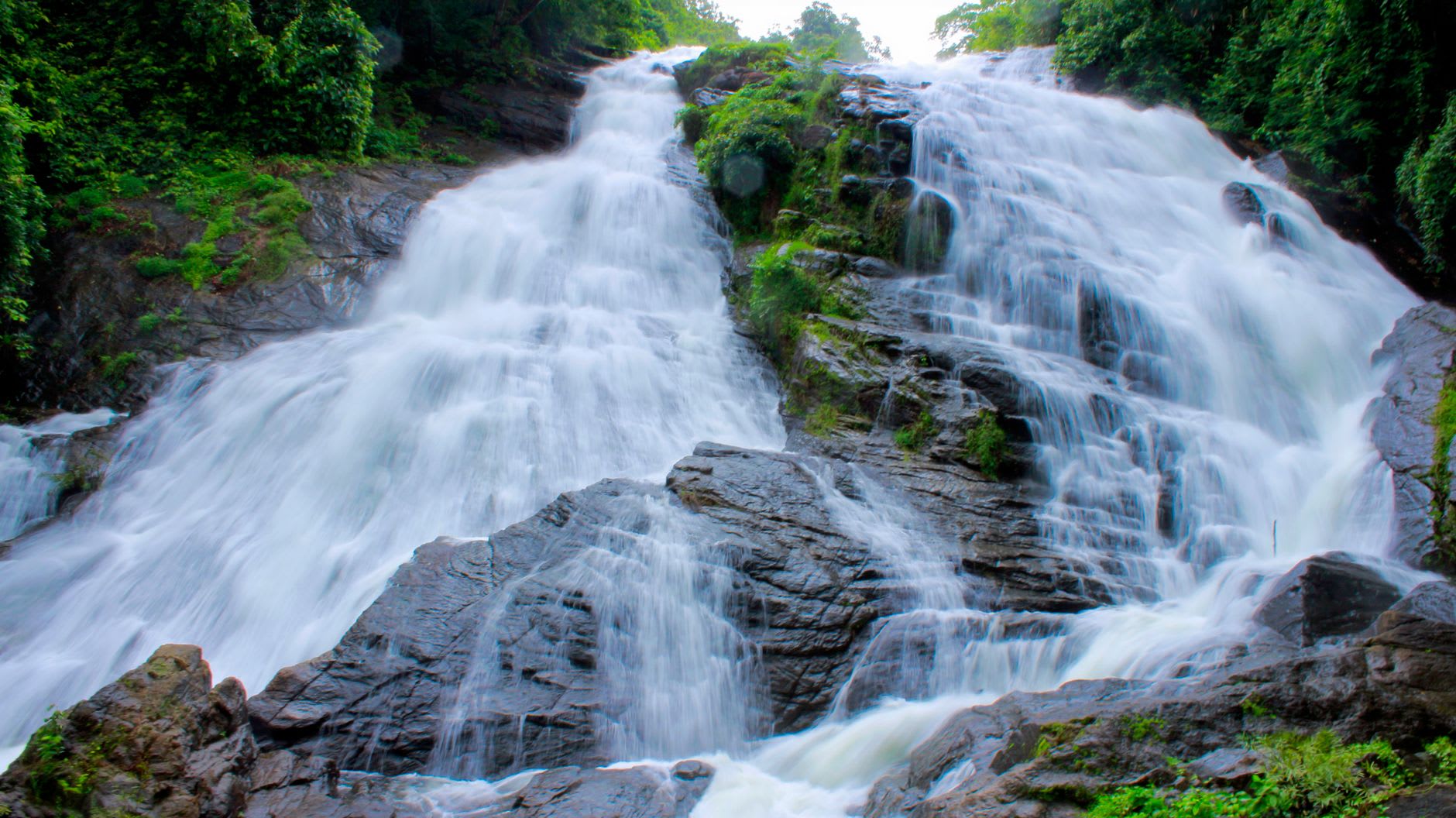
The pool at the base of the lower falls is extraordinary — clear enough that I could see the rocks on the bottom in three meters of water, and cold enough that I genuinely gasped when I went in. Cold water in West Africa, after the particular humidity of Liberia’s interior, is a physical shock of the most welcome kind. I swam to the base of the falls and let the water pound my shoulders and felt the accumulated heat of the previous week leaving my muscles all at once. Some experiences are simple and complete, and the waterfall at noon on a weekday is among them.
There were three other people there when I arrived: two teenage boys from a nearby village who were at the top of the upper falls doing things with their balance that I observed with admiration and some anxiety, and a woman washing clothes in the lower pool at a distance from the main swimming area, using the rocks in a practiced way and maintaining the privacy of her work with absolute focus. We acknowledged each other’s existence with nods and then got on with our respective purposes. The boys at the top eventually jumped, in turn, in the way of people performing for an audience they pretend not to have.

Kpatawee is not on any map I’ve found, and the signage on the road is nonexistent. This means you need a guide or very specific directions and some willingness to ask along the way. It also means that on a weekday you’re likely to have the falls to yourself or close to it, and the particular peace of that — cold water, forest sound, the world reduced to something you can hold in your hands — is the kind of thing that travel is theoretically about and rarely delivers. Liberia delivers it here, which is one more reason the country repays more time than most people give it.
When to go: The waterfall flows year-round but is most impressive at the tail end of the wet season (October through November) when the flow is highest and most dramatic. Dry season visits (December through April) offer easier road conditions from Gbarnga and a longer, safer swim without risk of sudden water level changes. Always go with a local guide — the path is unmarked and someone who knows it makes the difference between finding it in an hour and not finding it at all.