
Gola Rainforest National Park
"The guide told me to stop talking and just listen, and the forest immediately got much louder."
Gola is the kind of place that does not give itself up easily, which is exactly why I wanted to go. It is Liberia’s largest national park, a great block of Upper Guinean rainforest in the northwest, pressed right up against the border with Sierra Leone — so close that the forest continues on the other side as Sierra Leone’s own Gola park, the two halves forming a single transboundary peace forest that ignores the line drawn between the countries. Getting there involved a long drive on roads that turned to red mud the moment the rain started, which in this part of the world is most of the time.
A forest that crosses a border
What makes Gola matter is what it still holds. This is one of the last refuges of the pygmy hippopotamus, a creature so shy and nocturnal that the researchers who study it mostly know it through camera-trap photos and footprints in the mud. There are forest elephants here too, and chimpanzees, and a list of plants and frogs and insects that nobody has finished writing down. I did not see a pygmy hippo. I want to be honest about that, because the brochures will imply you might, and you almost certainly will not. What you see in a forest like this is the evidence of animals rather than the animals themselves.
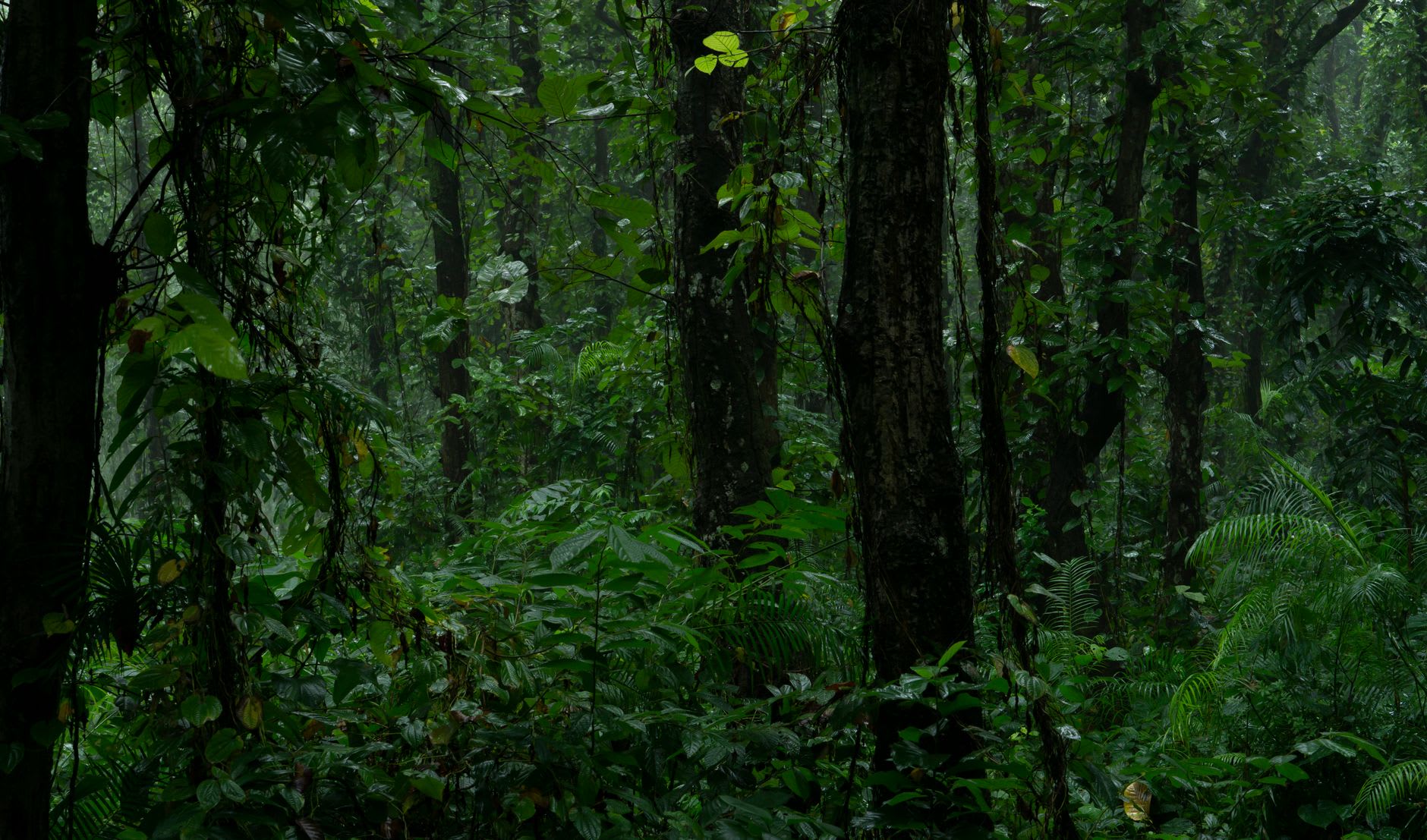
The walking is hard and wonderful in equal measure. Within minutes of leaving the edge I was soaked through — partly rain, partly the simple humidity of a place where the air is closer to a liquid. My guide, a young man from one of the communities that co-manage the forest, moved through it with the unhurried confidence of someone who had grown up at its edge, naming trees, stopping at a column of driver ants crossing the path, waiting for me to catch up without ever once making me feel slow.
Birds, and the things you don’t see
Gola is, above everything, a birding place. The headline species is the white-necked rockfowl — the picathartes — a genuinely bizarre bird with a bald, blue-and-yellow head that nests on rock faces and looks like something assembled from spare parts. Serious birders cross continents for it. We sat in near-silence at a known nesting site at dusk, and when one finally appeared, hopping along the rock with that absurd head bobbing, my guide grinned at me as if introducing an old friend.
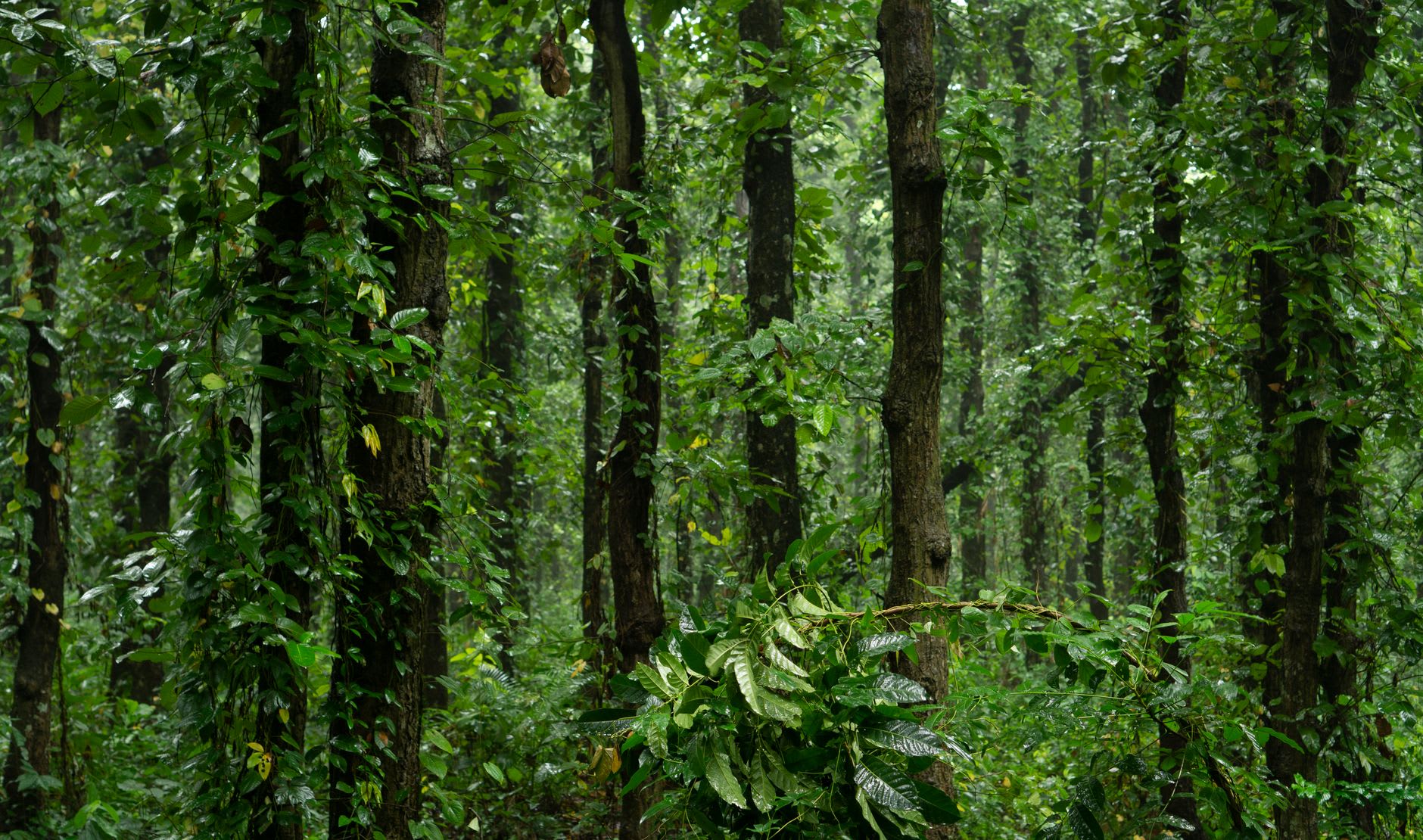
What stayed with me was less any single sighting than the fact of the place existing at all. Liberia lost a great deal of forest, and the world lost a great deal of trust in Liberia, during its long civil wars. That Gola is now protected, and protected in partnership with the people who live around it rather than against them, felt like a small, stubborn act of repair. I left muddy, bitten, and oddly hopeful.
When to go: November to April, the drier months, when the trails are passable and the rivers low enough to cross. Arrange everything in advance through the park authority — this is not a place you simply turn up to.