Ts'ehlanyane National Park
"In a treeless highland country, walking into this forest felt like finding a room with the door left open by accident."
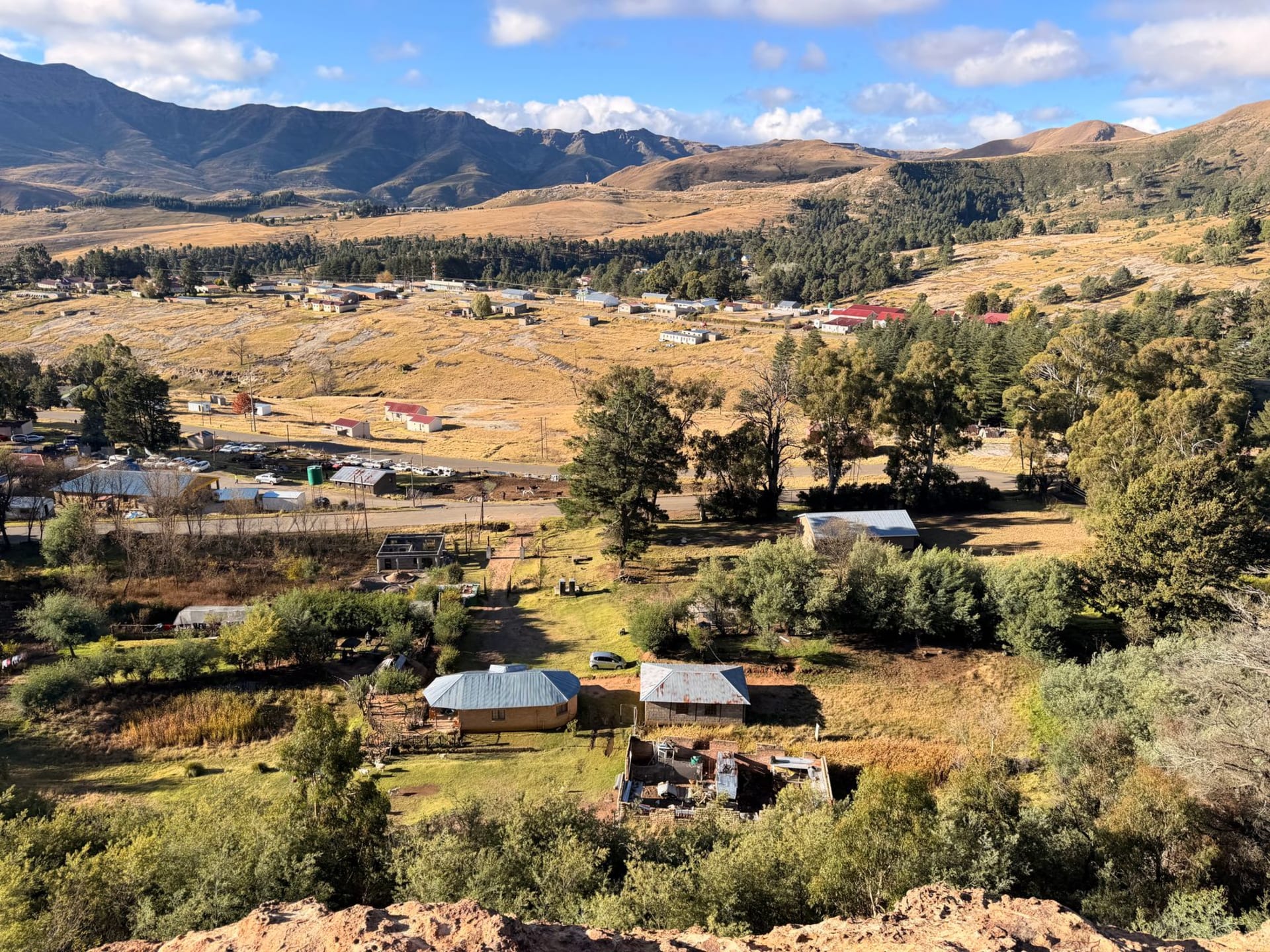
Lesotho is not a country you think of as forested. The highlands are grassland — enormous, wind-scoured, beautiful in an austere way that has nothing to do with shade or shelter. Which is what makes Ts’ehlanyane so disorienting. Hidden in a deep river valley in the northern highlands near Butha-Buthe, tucked between ridges that keep it from the prevailing winds, a remnant of indigenous Maluti yellowwood forest survives. Old trees. Ancient, by the standards of a country where fuel needs and grazing pressure have stripped most vegetation from the slopes. Walking into it from the park gate, the temperature dropped several degrees and the quality of light changed — filtered, green-edged, soft in a way the open plateau never is.
The ranger at the gate, a young man in a khaki uniform slightly too big for him, asked if I had warm clothes and a flashlight. I showed him my jacket. He glanced at it with the polite skepticism of someone who has seen unprepared visitors before. He was right to be skeptical; the park sits above 2,000 metres and the temperature after sundown, even in October, required every layer I had.

The river that gives the park its name runs cold and clear through a bed of smooth stones, and the Maluti minnow — a tiny endemic fish found almost nowhere else on earth — darts between the rocks in the shallows. I spent an embarrassing amount of time watching them. The yellowwood trees along the bank are the kind of trees you stop and look at the way you look at very old people — trying to estimate age, feeling something like respect for survival. Some of them are measured in centuries.
The trails here are unmarked in the sense that you follow the river and your sense of direction rather than signposts, and the park is small enough that getting seriously lost requires genuine effort. I walked up to the waterfall above the main valley — a cold cascade dropping into a pool dark enough to suggest depth — and sat there for an hour without seeing another person. The silence was the kind that has layers: under the wind and water there was the sound of insects, and under that something lower, the sound of the mountain simply being.

Liphofung Cave, a San rock art site, sits just outside the park entrance and contains ochre paintings of eland and human figures that predate the Basotho kingdom by centuries. The art is faded but present, and the cave itself — a natural sandstone overhang looking south across the valley — has the quality of a place that was chosen by people who understood how to read landscape. Standing there looking at the same view those painters looked at, feeling the same wind, the continuity of it was the kind of thing that makes travel feel like more than moving between places.
When to go: October through April when the forest is at its fullest and the river runs with post-rain clarity. The park’s tented wilderness camp requires advance booking and is frequently full on weekends with South African visitors — book early or go midweek. June and July bring heavy frost and occasional snow; the road into the park can become impassable after significant snowfall. Spring (September–November) and autumn (March–April) are the sweet spots for both weather and solitude.