Sani Pass
"We climbed into the clouds on a road that ox wagons once refused, and Lesotho opened up on the other side."
A spine-rattling 4x4 climb through gravel switchbacks to Africa's highest pub, where Lesotho begins above the clouds.
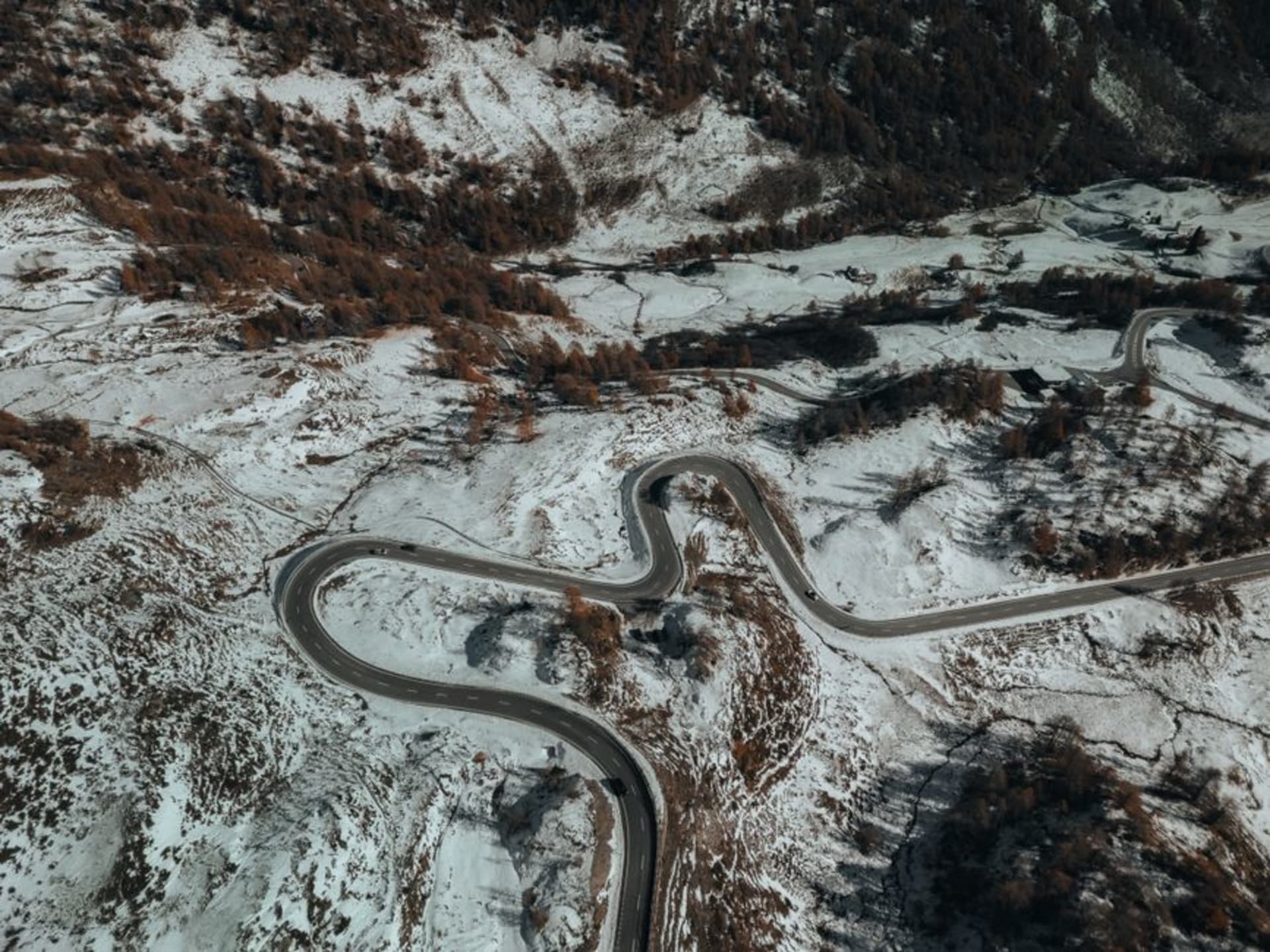
I’d read enough about Sani Pass to know we weren’t taking our own car up it. No rental company in Durban would even let us try, and honestly, after the first hairpin turn I understood why. Our driver, a wiry guy named Thabo who’d done this run probably a thousand times, kept the 4x4 in low gear the whole way, gravel spitting out from under the tires as we switchbacked up the escarpment separating KwaZulu-Natal from Lesotho. Lia had her hand braced on the door handle for most of it. Somewhere around the halfway mark, a sign told us ox wagons used to haul goods up this same route back in the 1950s, before it became an actual border post, and I remember thinking about how much slower, and probably how much scarier, that must have been.
By the time we cleared the final switchback and the road leveled out near Sani Top, at close to 2,876 meters, the air had that thin, sharp quality that makes you notice your own breathing. We stopped for our passports to get stamped at both border posts, South African and Basotho, within a few hundred meters of each other, which still feels like a strange kind of magic to me, crossing a border on foot at the edge of a cliff.
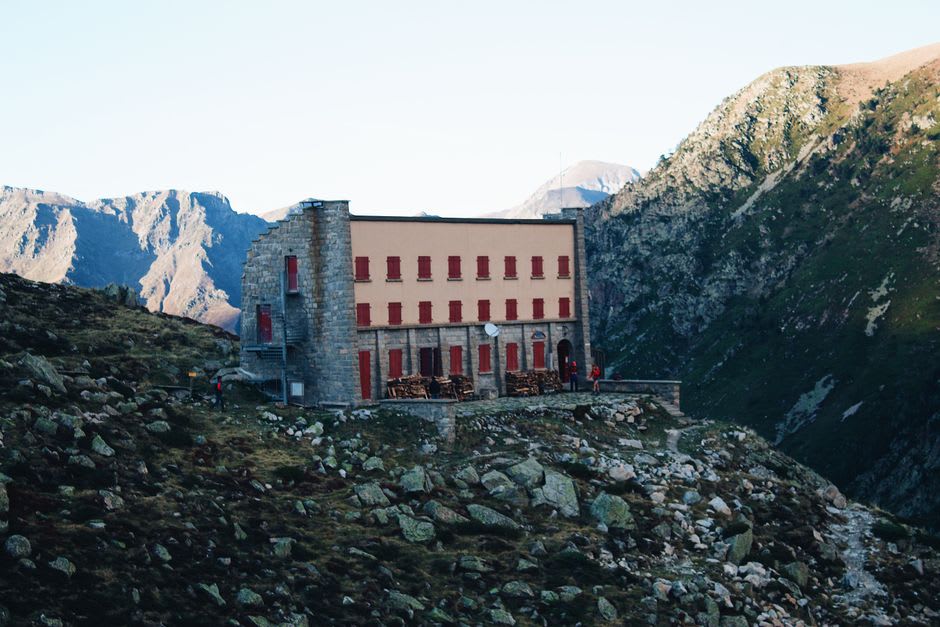
We stayed the night at Sani Mountain Lodge, which markets itself, fairly, as home to the highest pub in Africa. I had a beer there that tasted better than it had any right to, mostly because of the view out the window: layers of Maluti peaks folding into each other, and somewhere out there, Thabana Ntlenyana, the highest point in southern Africa at 3,482 meters. A local guide pointed it out to us over dinner and said most people who come up here don’t actually attempt it, they just want to say they’ve seen it. I was fine being one of those people.
What stayed with me wasn’t the altitude or even the pub, it was how abruptly the landscape changed once we crossed into Lesotho proper. The wind picked up, the grass turned that pale gold you see in high-altitude photos, and shepherds in blankets appeared on ridgelines like they’d always been there. Lia said it felt like arriving somewhere the modern world had mostly forgotten to visit. I don’t think that’s quite fair to Lesotho, but I understood the feeling.
When to go: aim for October to April, when the pass stays clear. In winter, snow can shut it down entirely, and even Thabo admitted there are days he won’t drive it.