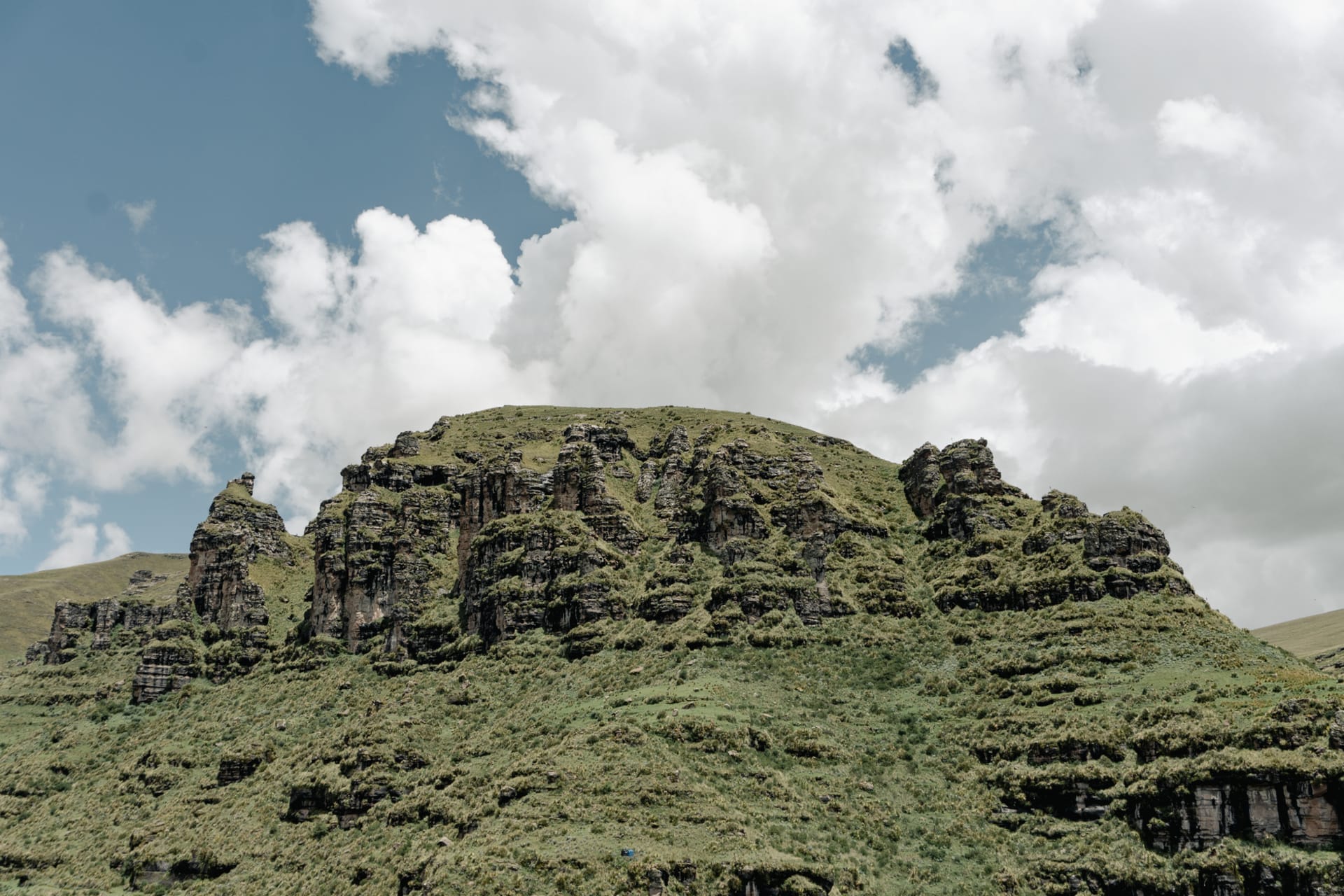
Bokong Nature Reserve
"The visitor centre clings to a cliff at over three thousand metres, and stepping outside felt like stepping onto the edge of the planet."
Bokong sits on the Mountain Road that climbs toward the Katse Dam, at an altitude that does odd things to your lungs and your sense of distance. The visitor centre is perched on the lip of a gorge above three thousand metres, and the first thing I did on arriving was sit down, ostensibly to admire the view, actually because the thin air had quietly removed about a third of my usual capacity for standing upright and talking at the same time. Lia, annoyingly, adapted within the hour. I took rather longer.
The frozen waterfall at the roof of Africa
The reserve’s signature is the Lepaqoa Waterfall, which in summer is a thin ribbon dropping off the escarpment and in winter freezes solid — a hanging column of ice clinging to the dark rock, one of the few places in southern Africa where you can reliably watch water turn to ice in the open air. We came in the shoulder season and caught it half and half: a core of ice with meltwater threading down its surface, the whole thing glittering when the sun cleared the ridge. A guide from the local community walked us out to the viewpoint, unhurried, pointing out things I would have walked straight past.
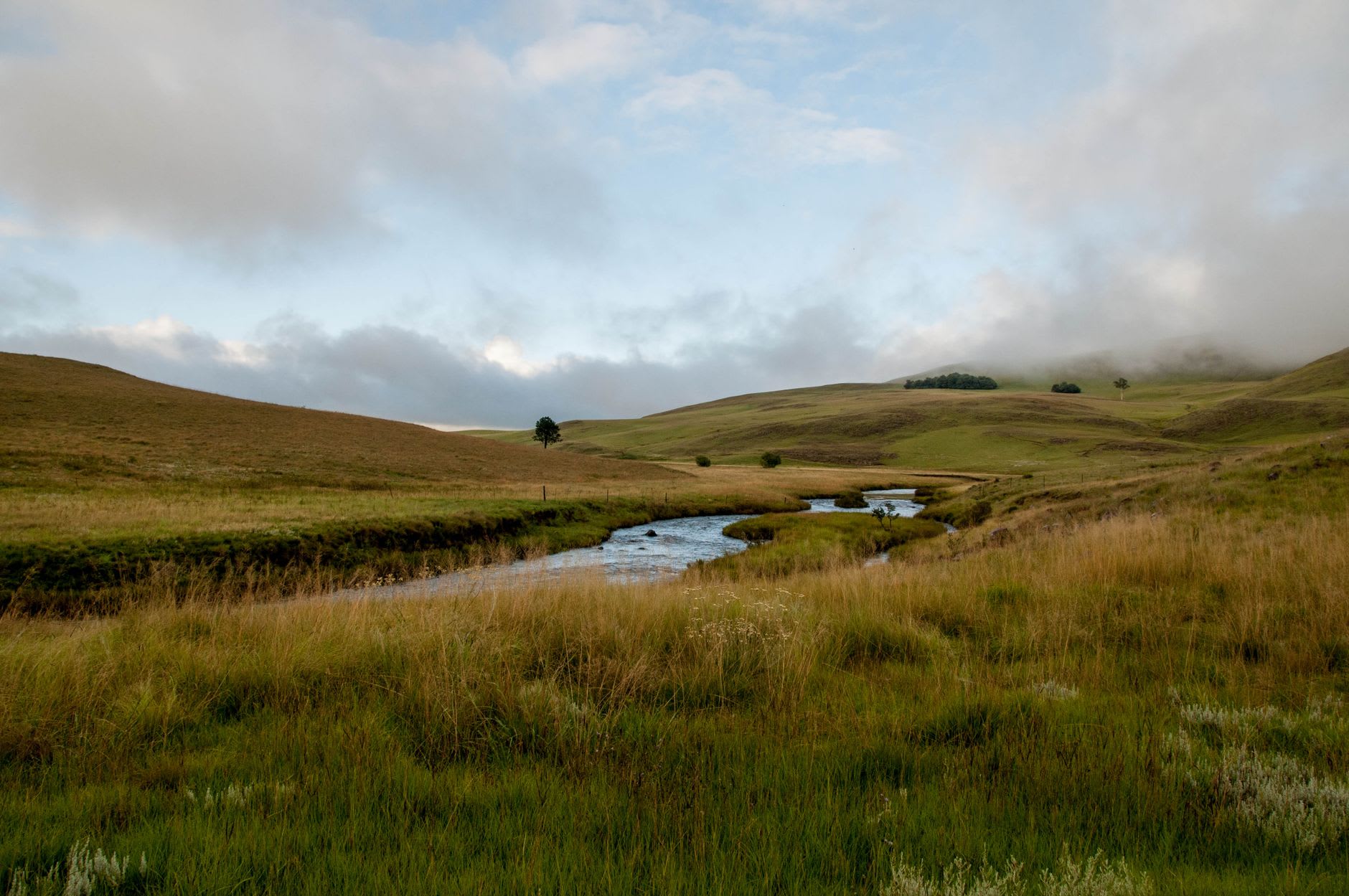
What struck me most was the scale of the emptiness. This is high alpine wetland — sponge bogs that feed the rivers running down into South Africa, the reason Lesotho is sometimes called the water tower of the region. Standing on the plateau, you understand the phrase physically: the land here is literally where the water begins.
Walking the Bokong plateau
We walked a stretch of the trail that links Bokong toward the Ts’ehlanyane reserve further north — only a fraction of it, since the full route is a serious multi-day affair for properly acclimatised legs, which mine were not. Even the short version was extraordinary. The grassland rolled away in every direction, cropped short and brown, broken only by the occasional herd boy in a Basotho blanket appearing improbably from behind a fold in the land, raising a hand, and vanishing again. There are bearded vultures here, and the elusive ice rat, and in spring a carpet of tiny alpine flowers, though we were a little early for those.
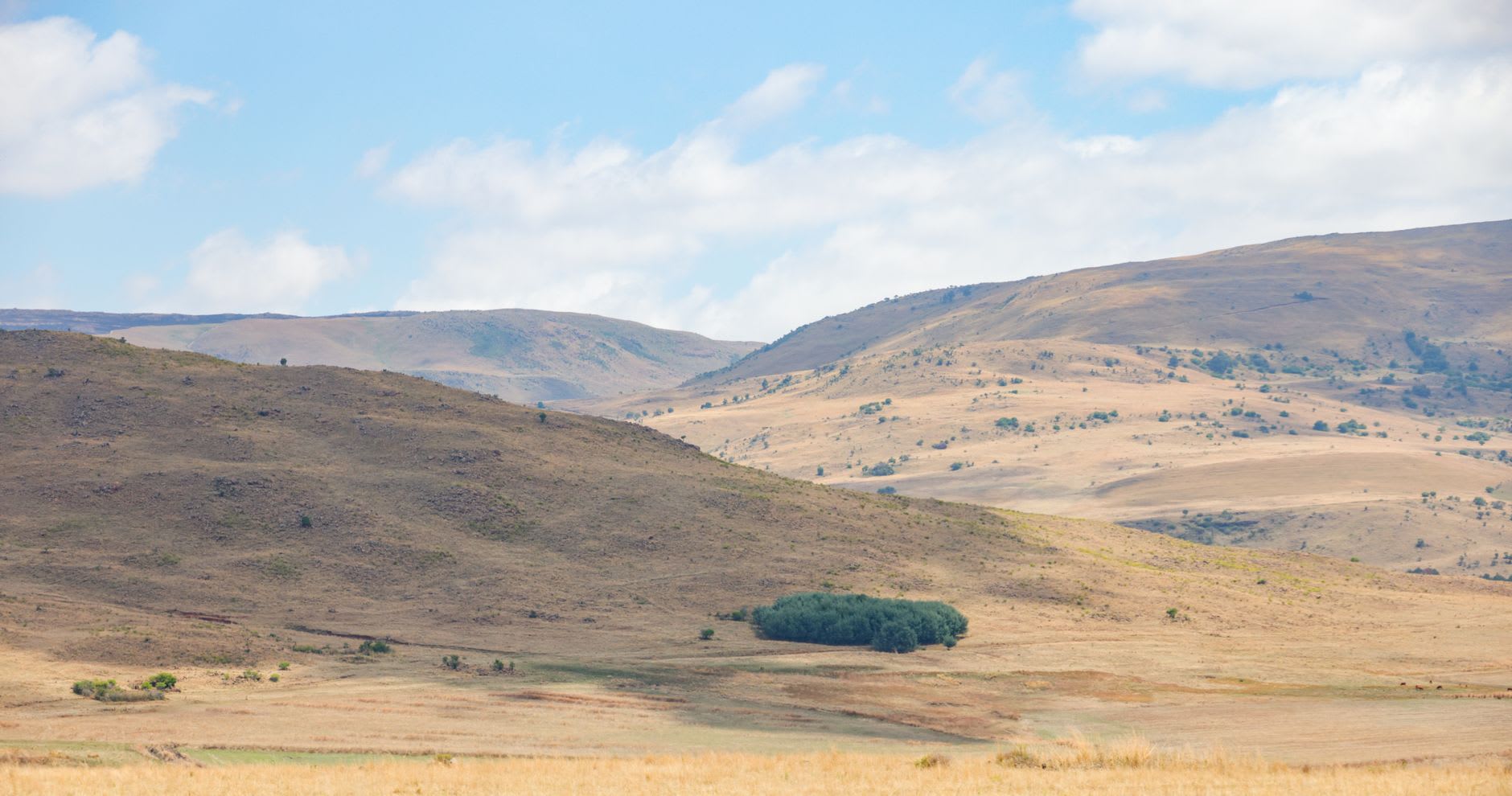
We spent the night in one of the simple stone huts the reserve runs, no electricity, a paraffin lamp and a great deal of silence. The temperature dropped hard after sunset — this is a place where summer days can still end in frost — and I lay under several blankets listening to the wind work at the roof and thought that I had rarely felt so far from anywhere. Which, in Lesotho, a country that sits entirely above a thousand metres and is surrounded on all sides by another nation, is rather the point.
When to go: May to August if you want the waterfall frozen and the night skies at their sharpest, but pack for genuine cold. Summer brings the wildflowers and easier walking, at the cost of afternoon thunderstorms that roll across the plateau without much warning.