Tripoli
"I ate halawet el-jibn in Tripoli and understood for the first time why people drive two hours for a specific dessert."
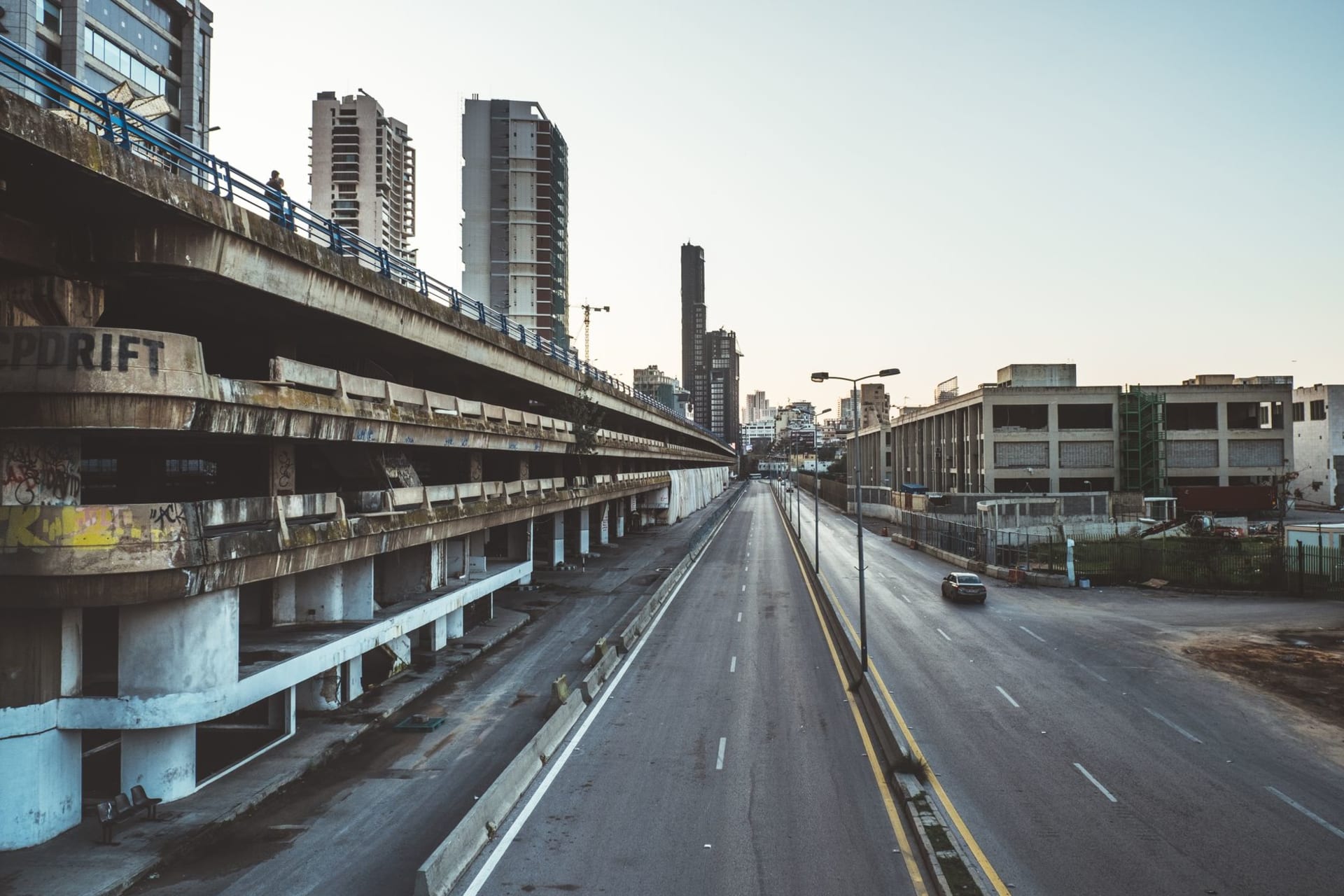
Tripoli is the city that Beirut tourists miss and locals swear by, and the gap between those two positions is one of the more interesting asymmetries in Lebanese travel. Coming in from the south on the coastal highway, the city shows a face of post-industrial sprawl that doesn’t suggest what’s coming. But walk into the old city — the one that dates from Mamluk occupation in the thirteenth and fourteenth centuries — and the urban texture shifts completely: covered lanes where the light arrives as a sifted gold, hammams still operating, mosques with minarets like pen strokes against the sky, and a souk whose physical complexity still defeats my mental map after three visits.
I first arrived on a Friday afternoon, which was suboptimal for most activities — the souk quieter than usual, the mosques closed to visitors — but which turned out to be perfect timing for encountering the city at its most domestic and unperformed. Families walking in the streets, children running past the Taynal Mosque, old men in the shade of the Khan al-Khayyatin — the tailors’ market, its arches hung with bolts of fabric — conducting conversations that seemed to have been in progress for decades. The city has the quality of a place that is not doing anything for your benefit, which is rare and valuable.

The Citadel of Raymond de Saint-Gilles sits on a hill above the old city, a Crusader fortification that was built, demolished, extended, modified, and reinforced by successive powers — Crusaders, Mamluks, Ottomans — until it became something no single civilization can take sole credit for. I climbed it in the early morning when the walls were still in shadow and the view from the top revealed the whole of Tripoli’s geography: the old city’s warren, the modern port, the open sea, and the hills behind beginning to show the first terraces of olive groves. A cat was asleep on the parapet. A man selling tea from a thermos nodded at me from the staircase.
The desserts are the thing people will stop you in the street to discuss if they find out you’re going. Tripoli is the acknowledged capital of Lebanese sweets, and at its center is halawet el-jibn: a preparation of fresh cheese wrapped in a semolina dough, rolled thin, filled with ashta cream, and sometimes scented with rose or orange blossom water. I ate it at Abdul Rahman Hallab’s shop on the edge of the souk, which has been operating since 1881, and the combination of the warm cheese exterior and cool sweet cream was the kind of simple thing that makes complex culinary experiences feel like overcomplication.

Tripoli’s port, Al-Mina, is a separate coastal neighborhood a few kilometers from the old city, architecturally different — merchant houses from the Ottoman period facing a small harbor where fishing boats still operate at scale. The sea wall there on a December afternoon, with the wind coming off the water and the sun very low, had a quality of specific northern Mediterranean bleakness that I found unexpectedly lovely.
When to go: October through April for the old city at its most active without summer heat. The souk is liveliest on Tuesday through Thursday mornings. Tripoli is 85 kilometers north of Beirut — about 90 minutes by shared taxi or bus from Charles Helou station.