Middle East
Lebanon
"Every stone here remembers something the rest of the world has forgotten."
I arrived in Beirut on an evening flight and the city was already running at full volume. The corniche was packed, car horns competed with oud music leaking from somewhere above the street, and before I had found my guesthouse I had already been offered a glass of arak by a man sitting on a plastic chair outside a grocery. That is Lebanon — it doesn’t wait for you to settle in before it starts being itself.
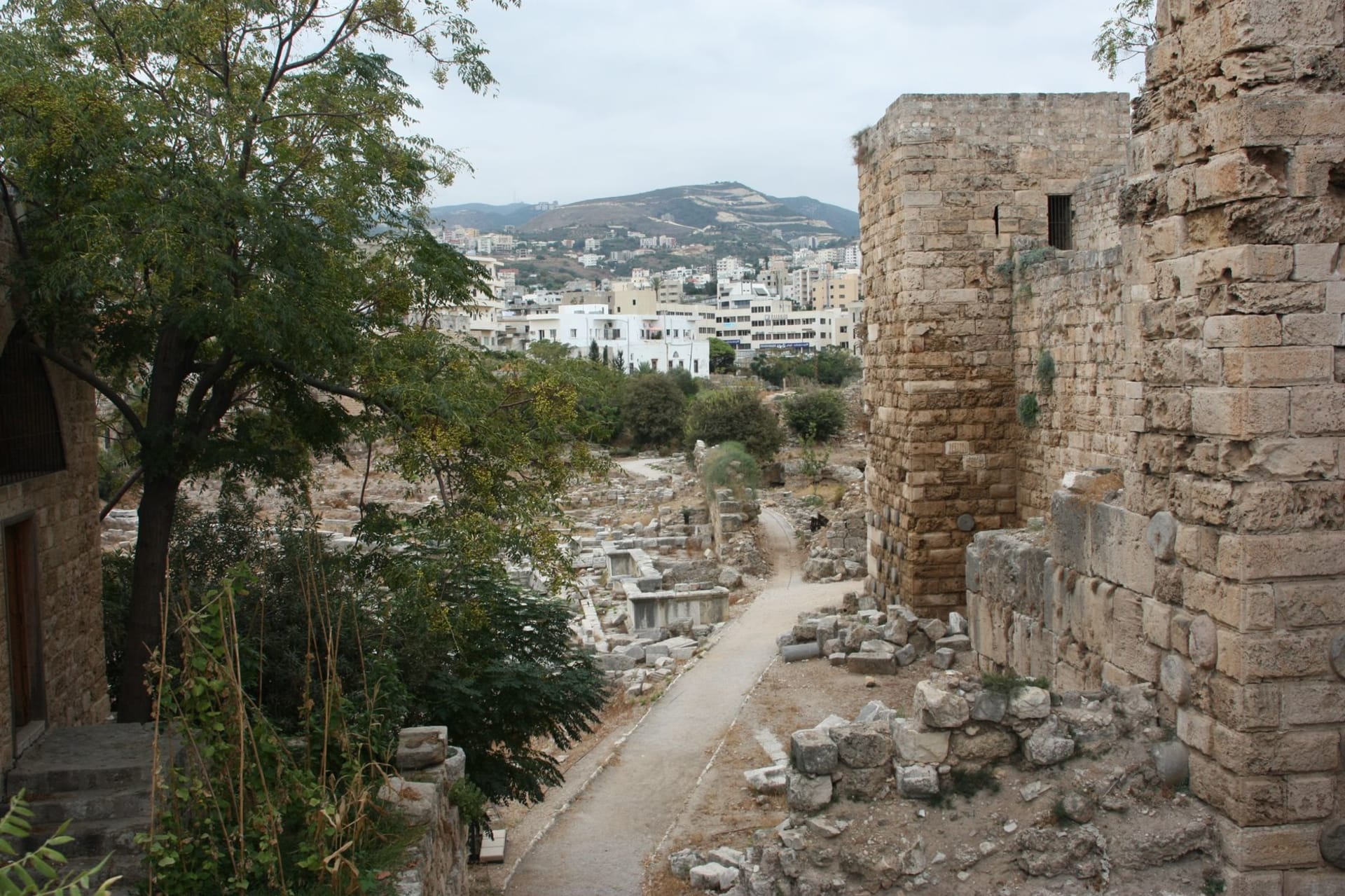
Byblos was the moment the country’s scale really landed. Standing among Phoenician ruins with the Mediterranean thirty meters below, I kept thinking about the fact that people have been continuously living and trading in this spot for seven thousand years. The crusader castle sits on top of ancient Roman foundations, which sit on top of Bronze Age temples. It is the kind of place where history doesn’t feel like a lesson — it feels geological. Nearby, the cedars of the Shouf reserve are older than most religions. Walking among them in the cool mountain air after the heat of the coast, I understood why they ended up on the flag.
The food is the most honest argument for Lebanon. Hummus that tastes nothing like what gets sold in supermarkets everywhere else, kibbeh nayyeh eaten raw and cured with onion and spice, fattoush bright with sumac, and mezze spreads that keep arriving well past the point where you thought you were done. In the Bekaa Valley, I sat in a winery outside Zahle and drank a glass of red that could hold its own against anything I’ve tasted in France. Wine has been made in this valley for four thousand years. The terroir, it turns out, is not just a concept.
When to go: April to June and September to October are ideal — warm, clear, and not yet at peak summer prices. July and August bring the Lebanese diaspora home and Beirut moves at a party pace that is both electrifying and exhausting. Winter in the mountains means skiing above Bcharre, which is genuinely good, but coastal Lebanon stays mild year-round.
What most guides get wrong: They write Lebanon as a destination for the brave, framed around political instability, always with a caveat. What they miss is that Lebanese people have a finely calibrated sense of which moments are fine and which are not — and when it’s fine, it is more alive than almost anywhere I have been. Don’t let the geopolitical shorthand talk you out of a country that invented the alphabet, produced Khalil Gibran, and still sets the table like the world isn’t watching.