Jounieh
"Nowhere else have I ridden a cable car past a casino to reach a shrine, and had both feel completely sincere."
A neon-lit bay town where a cable car climbs past casinos and nightclubs to a white statue of the Virgin Mary presiding calmly over all of it.
The teleferique from Jounieh’s waterfront to the hilltop shrine of Harissa is, on paper, a tourist gimmick — a cable car that hauls you two thousand feet above the bay in little swaying pods. In practice it’s one of the more moving ten minutes I’ve spent in Lebanon. I rode it on a clear afternoon, watching the coastline unspool below — apartment towers, the crescent of beach, boats stitching white lines across the water — while an elderly Lebanese woman in the seat across from me quietly recited a rosary, entirely unbothered by the view or by me watching her do it.
At the top, the Our Lady of Lebanon statue stands fifteen meters tall on a globe-shaped pedestal, white against the sky, visible from most of the bay below and, on a good day, from across the water in Beirut. Pilgrims climb the internal staircase inside the statue’s base to stand at her feet; I did too, mostly out of curiosity, and stayed longer than planned watching families light candles in the small chapel built into the rock beside her. The complex has the unhurried, slightly worn feeling of a place that’s been a genuine pilgrimage site for over a century, not a monument built for photographs.
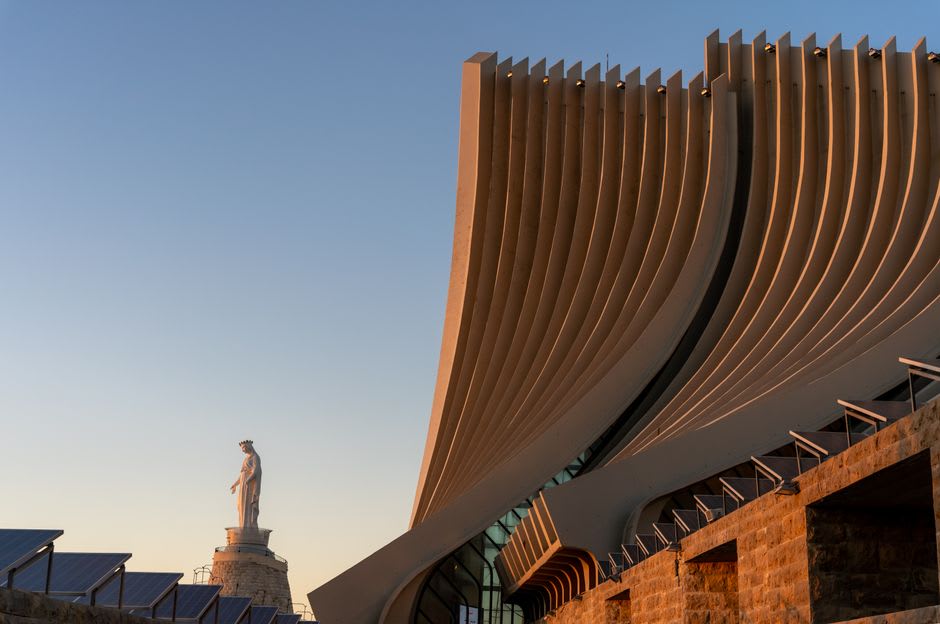
Down at sea level, Jounieh is an entirely different animal — a strip of casinos, nightclubs, and seafood restaurants that fills up on weekend nights with Beirutis escaping the capital for something slightly less expensive and marginally quieter. I had dinner at a place on the marina serving grilled sea bream so fresh it barely needed the lemon squeezed over it, and watched the town’s neon signs flicker on one by one as the light dropped, the cross on the hill above still faintly lit long after the shrine had emptied of visitors.
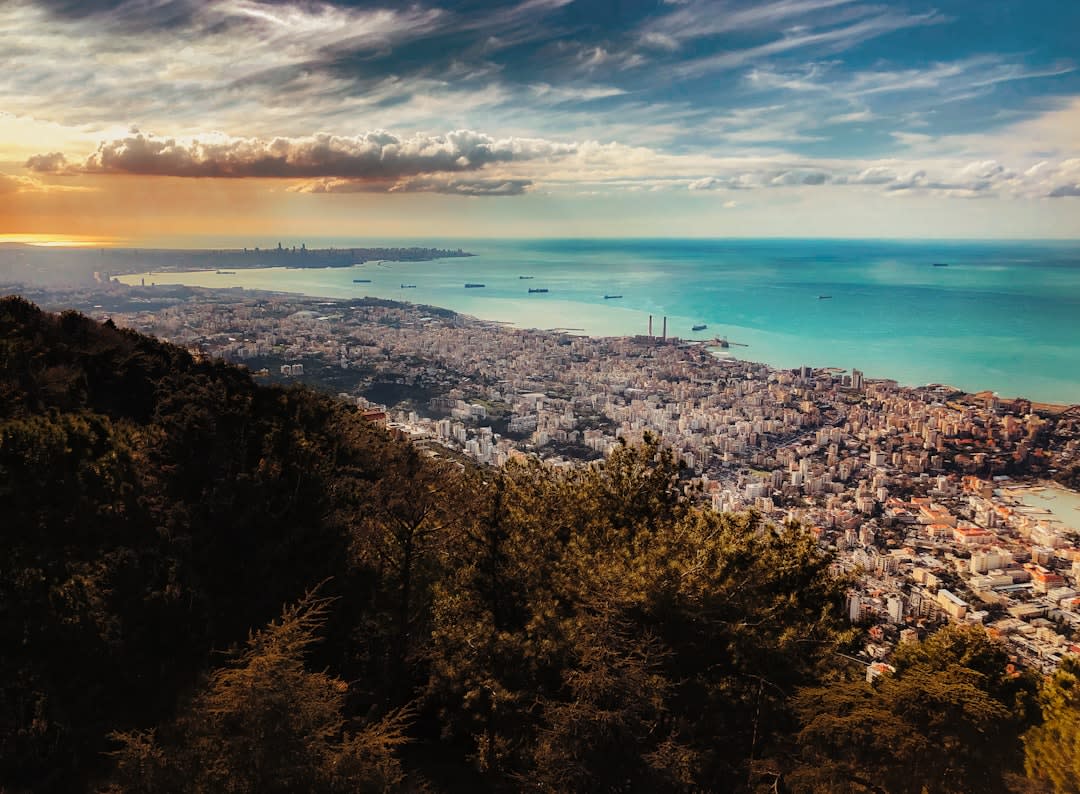
What stayed with me is the contrast itself — sacred and secular stacked vertically on the same hillside, neither one apologizing for the other, both entirely at home in a country that has never seen much use for choosing.
When to go: Year-round, though clear winter days often give the sharpest views from the teleferique. Weekend evenings from spring through autumn show Jounieh’s nightlife at its liveliest.
Keep exploring
More from Lebanon
 lebanon
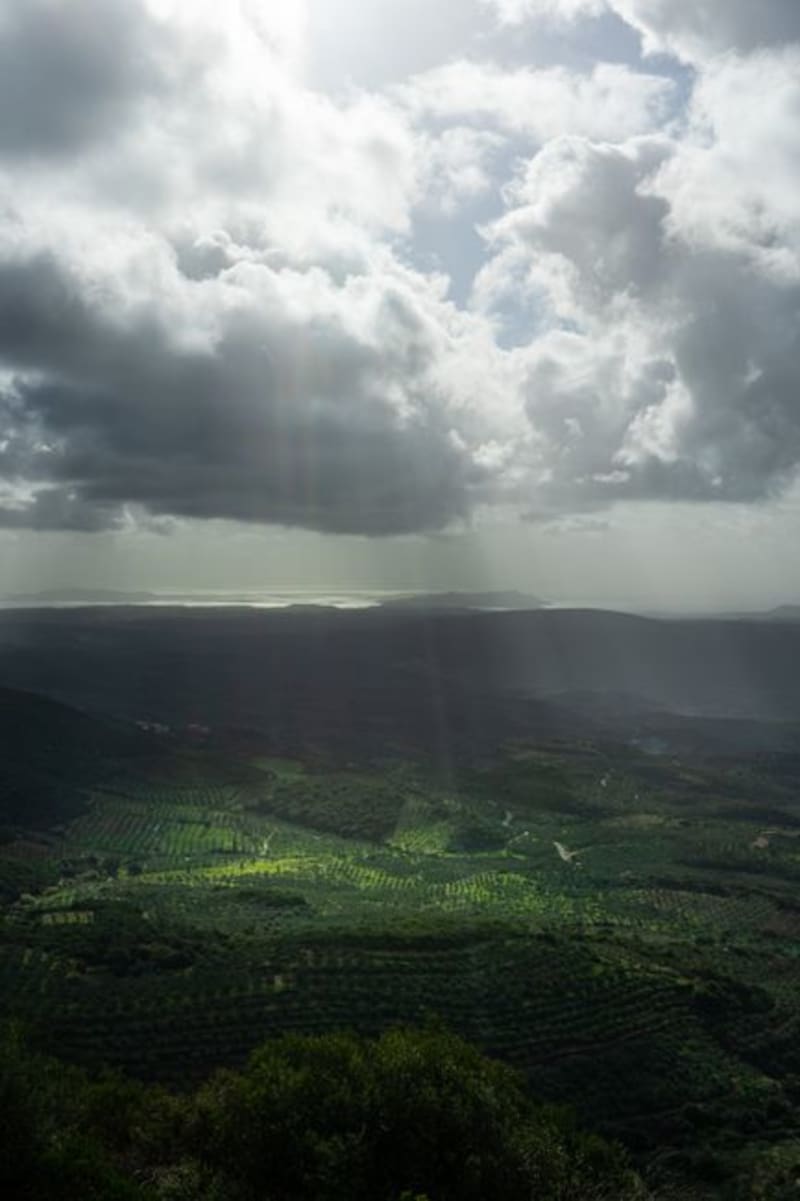
 Qadisha Valley
A gorge so deep that hermit monks carved chapels straight into its cliff faces, and a trail that keeps every promise its name implies.
Explore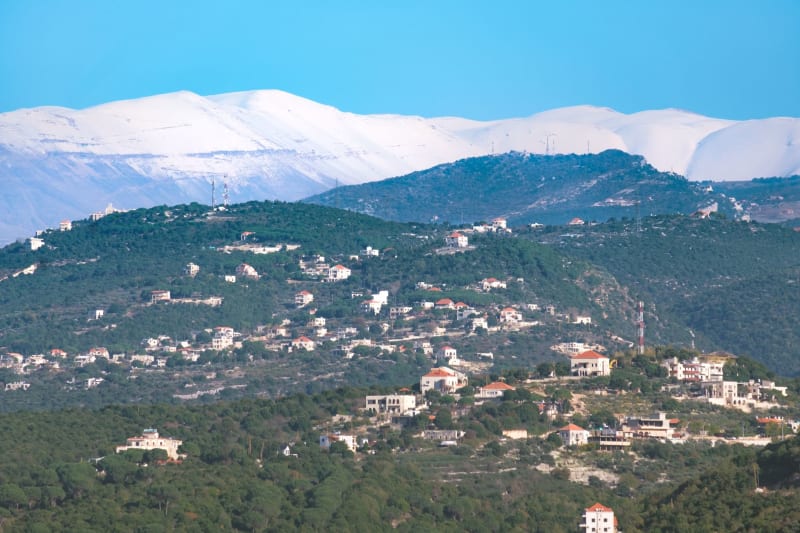 lebanon
 Shouf Biosphere Reserve
The largest nature reserve in Lebanon, holding ancient cedar groves, Druze mountain villages, and an Ottoman palace of bewildering opulence.
Explore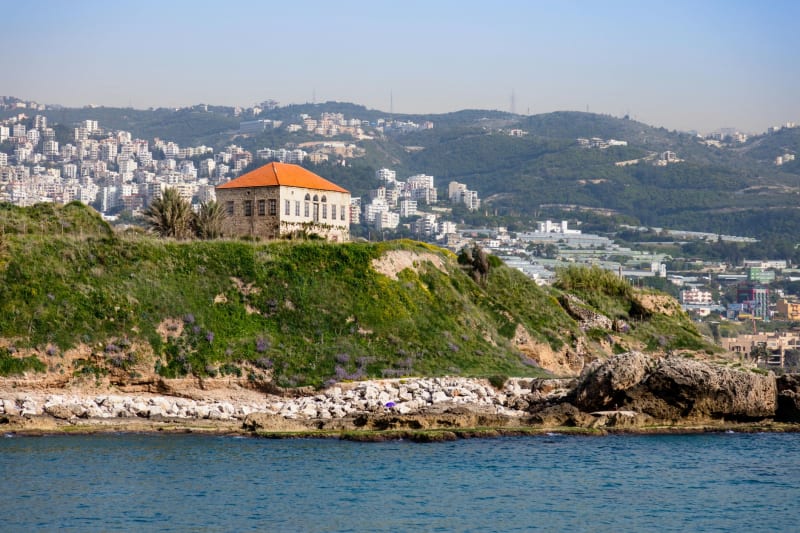 lebanon
 Sidon
Lebanon's most atmospheric old souk city, where Crusader sea castles and medieval soap factories sit cheek by jowl with a working fishing port.
Explore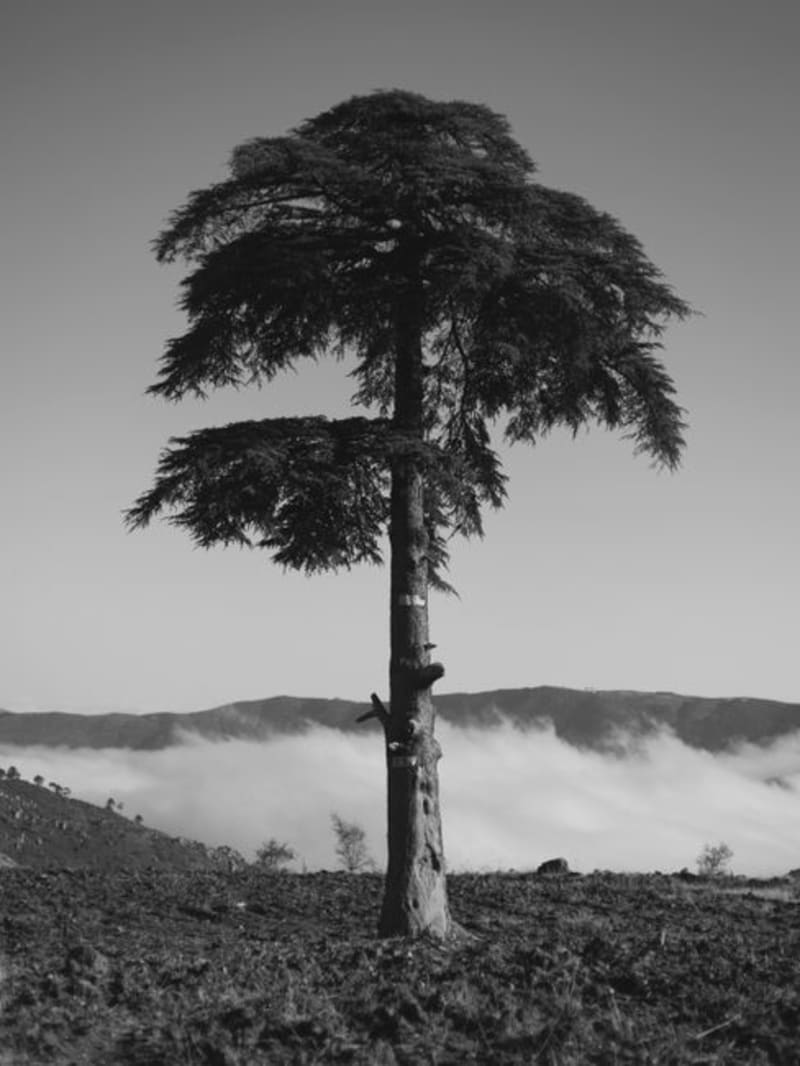 lebanon
 Tannourine
A cedar reserve where thousand-year-old trees stand in near-silence, and a waterfall that only exists for a few weeks each spring.
Explore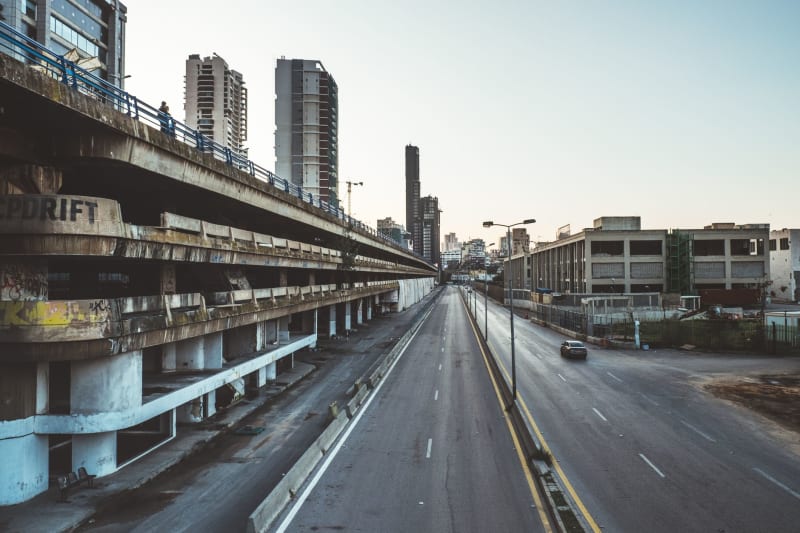 lebanon
 Tripoli
Lebanon's second city and its most authentically medieval — a Mamluk souk, a Crusader citadel, and the sweetest dessert table in the country.
Explore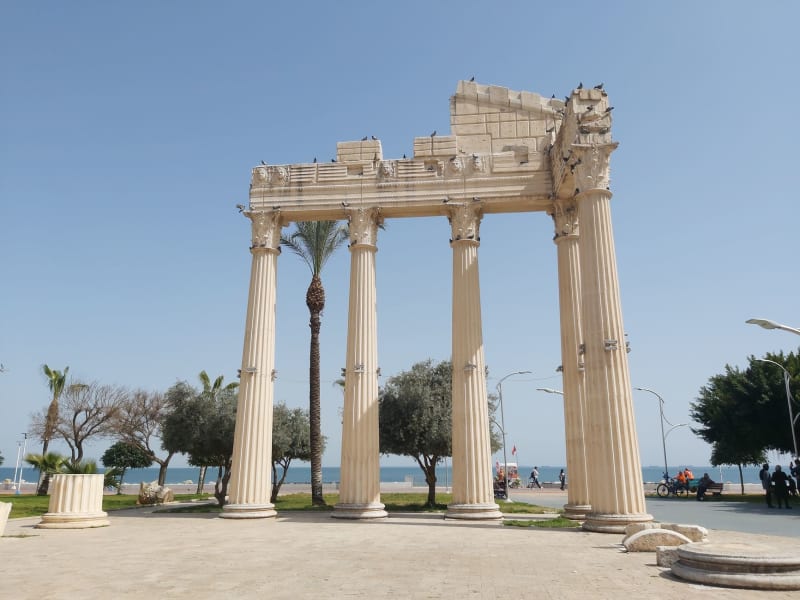 lebanon
 Tyre
Lebanon's southernmost major city: Phoenician queen of the sea, Roman colonnades, and one of the finest beaches on the Mediterranean coast.
Explore