Enfeh
"Salt has been harvested from this exact shoreline since Phoenician times, and the process still hasn't changed much."
A rocky peninsula of salt pans, sunken ruins visible through clear water, and one of the quietest coastlines left in Lebanon.
Enfeh doesn’t advertise itself the way Byblos or Batroun do, which is precisely why I ended up loving it. The peninsula juts out from the coast north of Chekka, a low spread of white rock and scrub with almost none of the tourist infrastructure that’s crept into Lebanon’s more famous coastal towns, and the first thing I noticed driving in were the salt pans — a checkerboard of shallow rectangular pools cut into the rock, where seawater is trapped and left to evaporate under the sun until only crystallized salt remains, exactly the way Phoenician traders did it here three thousand years ago. A man raking a pan into low white pyramids waved me over and let me taste a pinch straight off his hand, coarser and more mineral than anything I’d get from a shaker.
The water around Enfeh is startlingly clear, and swimming just off the rocks near the old harbor I could see, several meters down, the outlines of submerged ruins — column drums and squared building stones from a settlement that predates most of what’s visible above water, slowly being reclaimed by the sea. Nobody had roped it off or built a viewing platform; a fisherman mending a net nearby told me it had “always been there,” with the shrug of someone who’d stopped finding it remarkable decades ago.
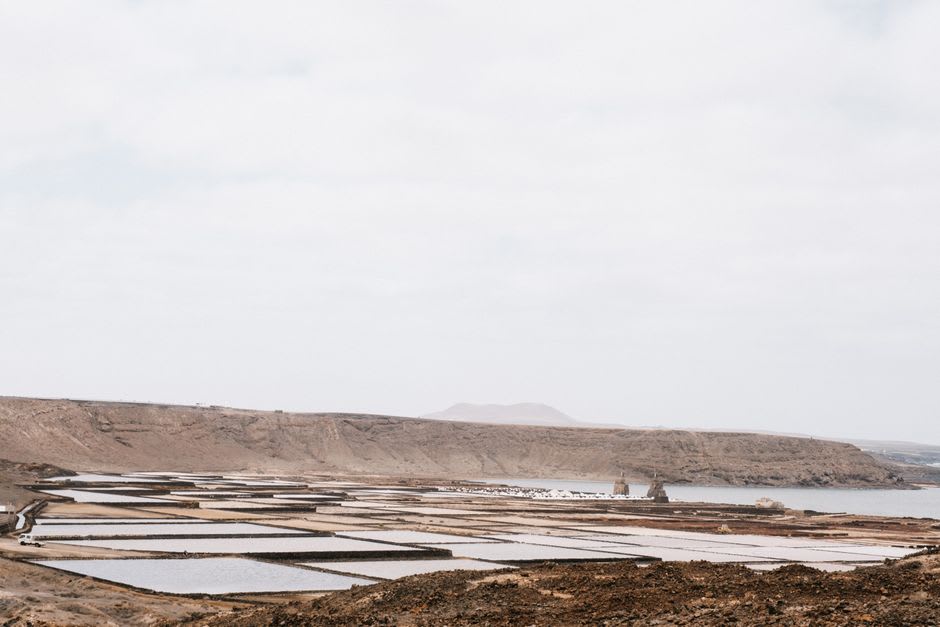
I ate lunch at a small family restaurant with plastic tables set right on the rocks, grilled sardines and a salad of purslane and tomato, watching fishing boats work the calm water between the peninsula and a scatter of small islets just offshore. There’s a scruffy, unfinished quality to Enfeh that I found more honest than picturesque — the ruins and the salt pans and the modern village exist alongside each other without any attempt to package them into a single narrative.
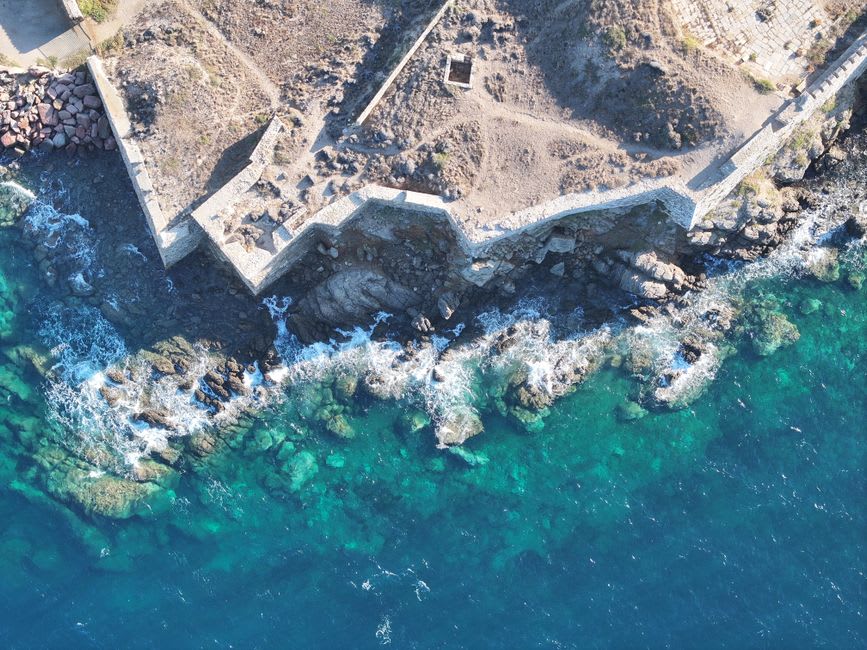
When to go: Summer for swimming over the ruins in warm, clear water. Late summer and early autumn also coincide with the most active salt harvest, when the pans are at their whitest.
Keep exploring
More from Lebanon
 lebanon
 Faraya
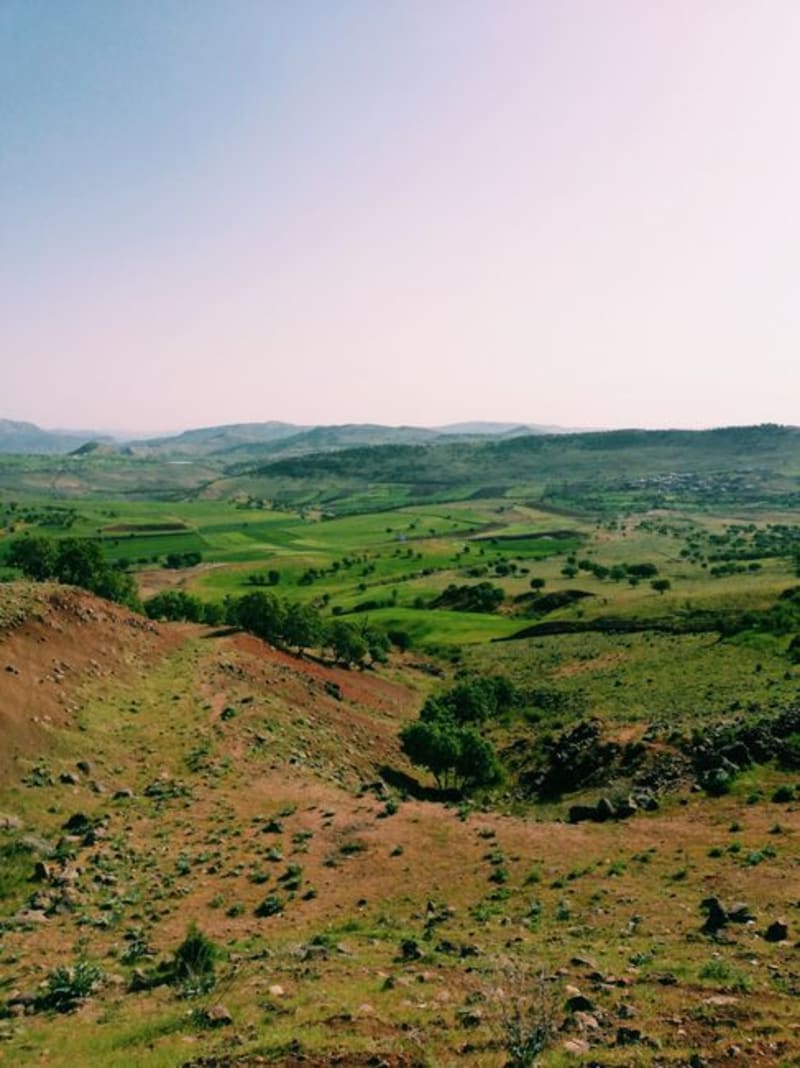
A ski resort an hour from the Mediterranean where I traded flip-flops for snow boots in the same afternoon, which is the entire point of Lebanon.
Explore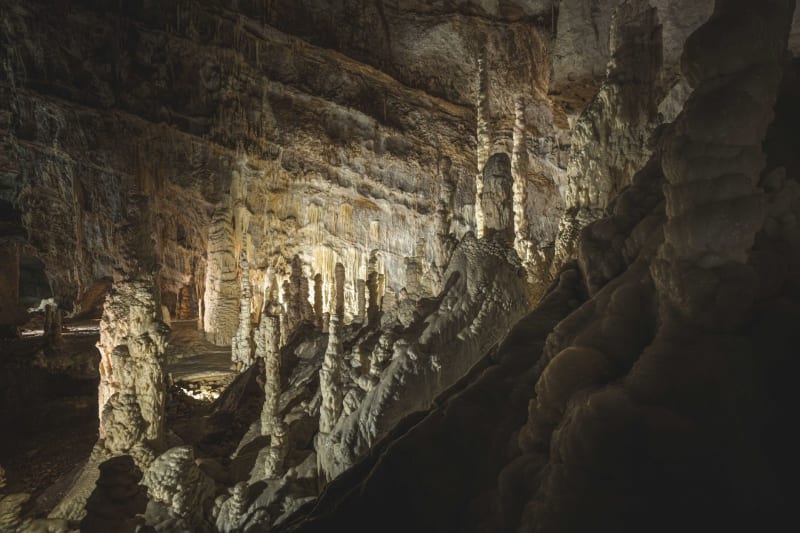 lebanon
 Jeita Grotto
A two-level cave system whose scale and formations are so extreme they push past beautiful into something more like vertiginous.
Explore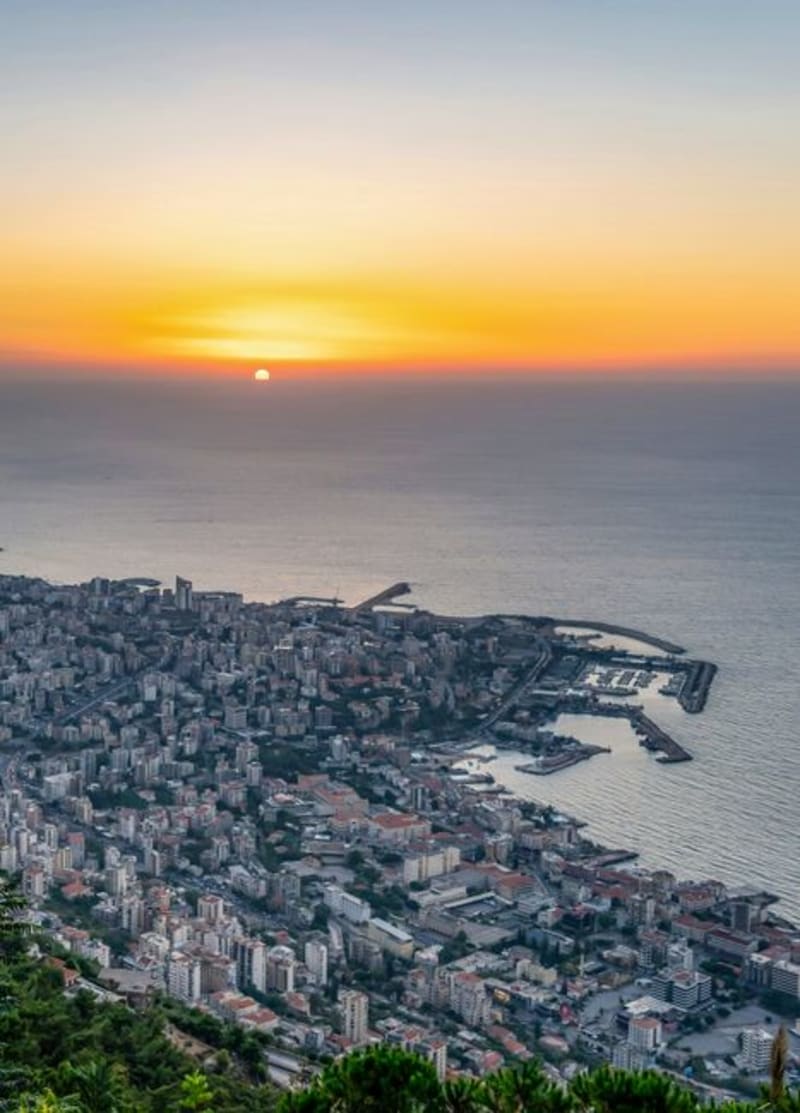 lebanon
 Jounieh
A neon-lit bay town where a cable car climbs past casinos and nightclubs to a white statue of the Virgin Mary presiding calmly over all of it.
Explore lebanon
 Qadisha Valley
A gorge so deep that hermit monks carved chapels straight into its cliff faces, and a trail that keeps every promise its name implies.
Explore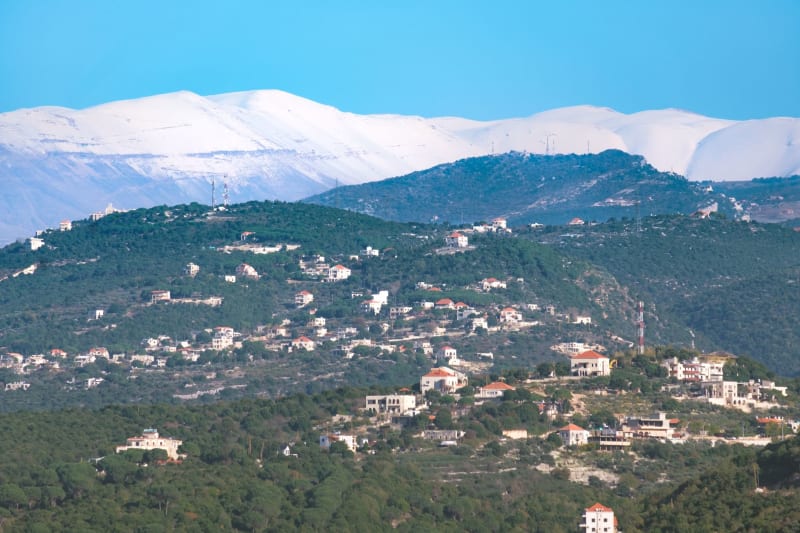 lebanon
 Shouf Biosphere Reserve
The largest nature reserve in Lebanon, holding ancient cedar groves, Druze mountain villages, and an Ottoman palace of bewildering opulence.
Explore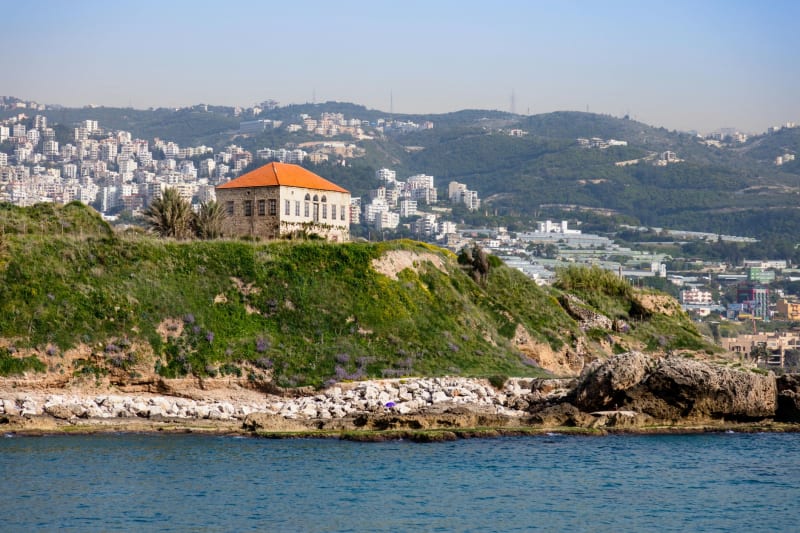 lebanon
 Sidon
Lebanon's most atmospheric old souk city, where Crusader sea castles and medieval soap factories sit cheek by jowl with a working fishing port.
Explore