Beiteddine
"Thirty years to build a palace by hand, and every carved arch still argues that it was worth it."
A 19th-century emir's palace of carved stone and mosaic courtyards in the Chouf mountains, still hosting a summer arts festival under the same stars.
The drive up to Beiteddine winds through the Chouf mountains in a series of switchbacks that kept forcing me to slow down and look, which I suspect is exactly the point — by the time you arrive, you’ve already been softened up by pine forests and stone villages clinging to the slopes, and the palace itself lands with maximum effect. Emir Bashir Shihab II built it over roughly thirty years in the early 1800s, importing marble from Italy and craftsmen from across the region, and the result is one of the finest examples of Lebanese architecture I’ve seen anywhere in the country — courtyards within courtyards, horseshoe arches carved with geometric patterns so dense they seem to vibrate, and a series of fountains that once cooled rooms with nothing but moving water and clever ventilation shafts.
I spent longer than I expected in the reception hall alone, where a Roman-era mosaic floor — unearthed elsewhere in Lebanon and relocated here for preservation — depicts hunting scenes and mythological figures in colors that have somehow stayed vivid for close to two thousand years. Walking the palace’s private apartments afterward, I kept noticing small domestic details that made the emir feel less like a historical abstraction and more like an actual person: a hammam with its steam rooms intact, stables built to a scale clearly meant to impress visiting dignitaries, a harem quarter with latticed windows designed for looking out without being seen.
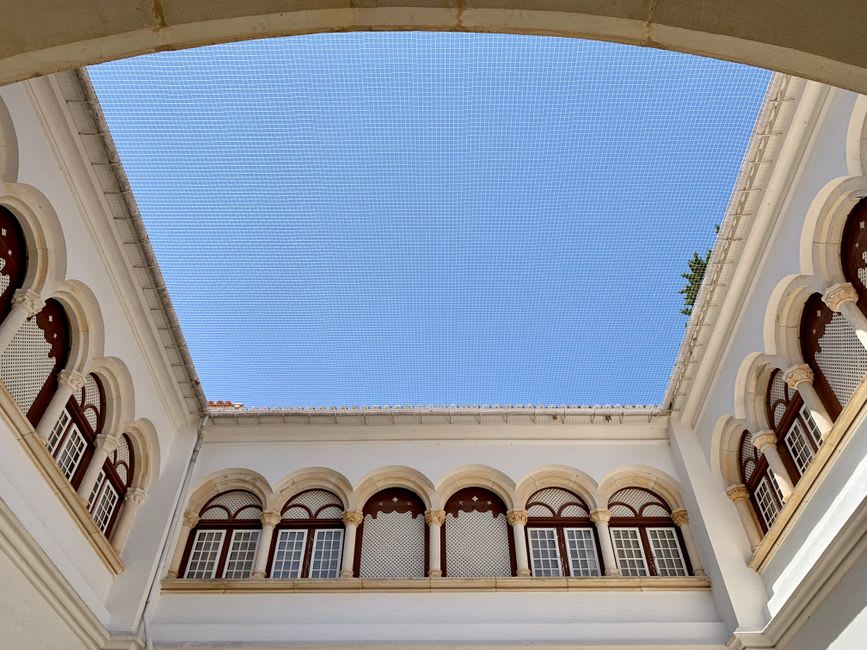
What surprised me most is that Beiteddine isn’t a frozen museum. Every summer it hosts the Beiteddine Art Festival, and I happened to catch a rehearsal for an outdoor concert being set up in the main courtyard — chairs stacked against walls the emir’s masons had carved two centuries earlier, sound technicians running cable past mosaic fountains, the whole scene a reminder that the palace has never really stopped being a place where people gather.
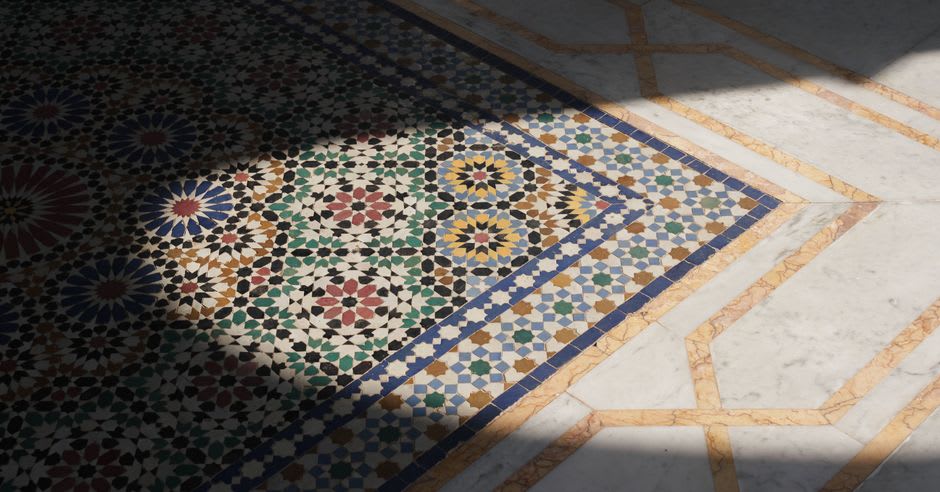
When to go: Late spring and early autumn give the clearest mountain light for the courtyards. If you can time it with the summer arts festival (July–August), the palace becomes something closer to a living stage than a static monument.
Keep exploring
More from Lebanon
 lebanon
 Bekaa Valley
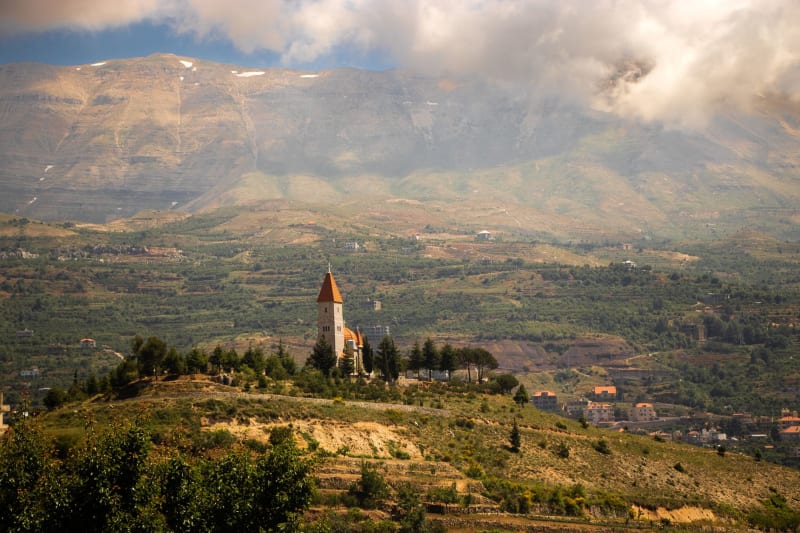
A high flat valley between two mountain ranges where four thousand years of winemaking meets the most improbable agriculture in the Levant.
Explore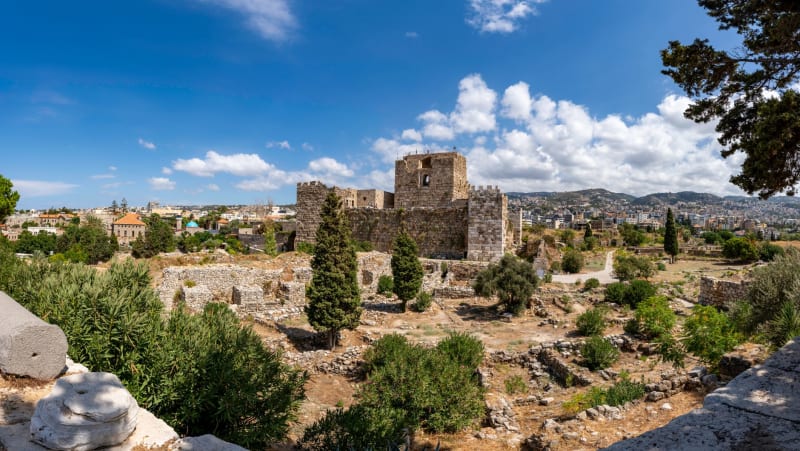 lebanon
 Byblos
Seven thousand years of continuous habitation compressed into one harbor town where Phoenicians once loaded ships with cedar and papyrus.
Explore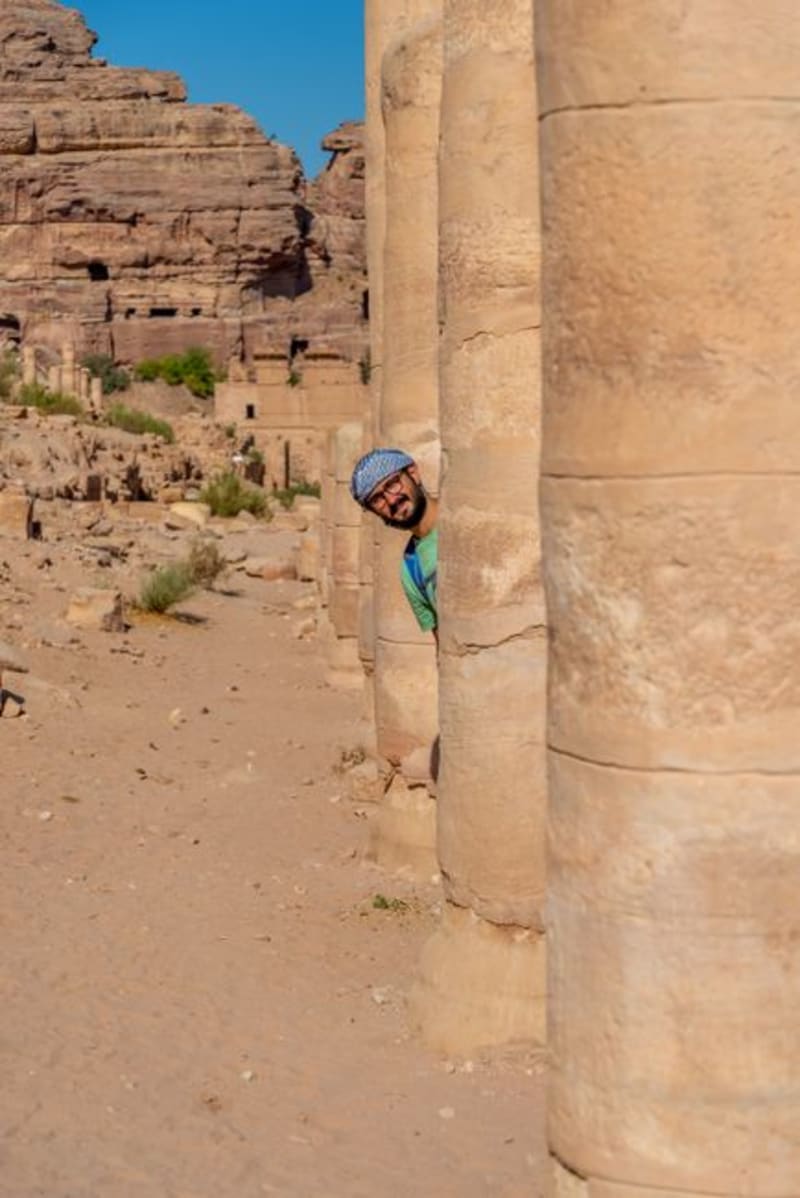 lebanon
 Deir el Qamar
A perfectly preserved 17th-century capital of ochre stone houses and a silk-trade-era square, where the whole village feels frozen mid-conversation.
Explore lebanon
 Enfeh
A rocky peninsula of salt pans, sunken ruins visible through clear water, and one of the quietest coastlines left in Lebanon.
Explore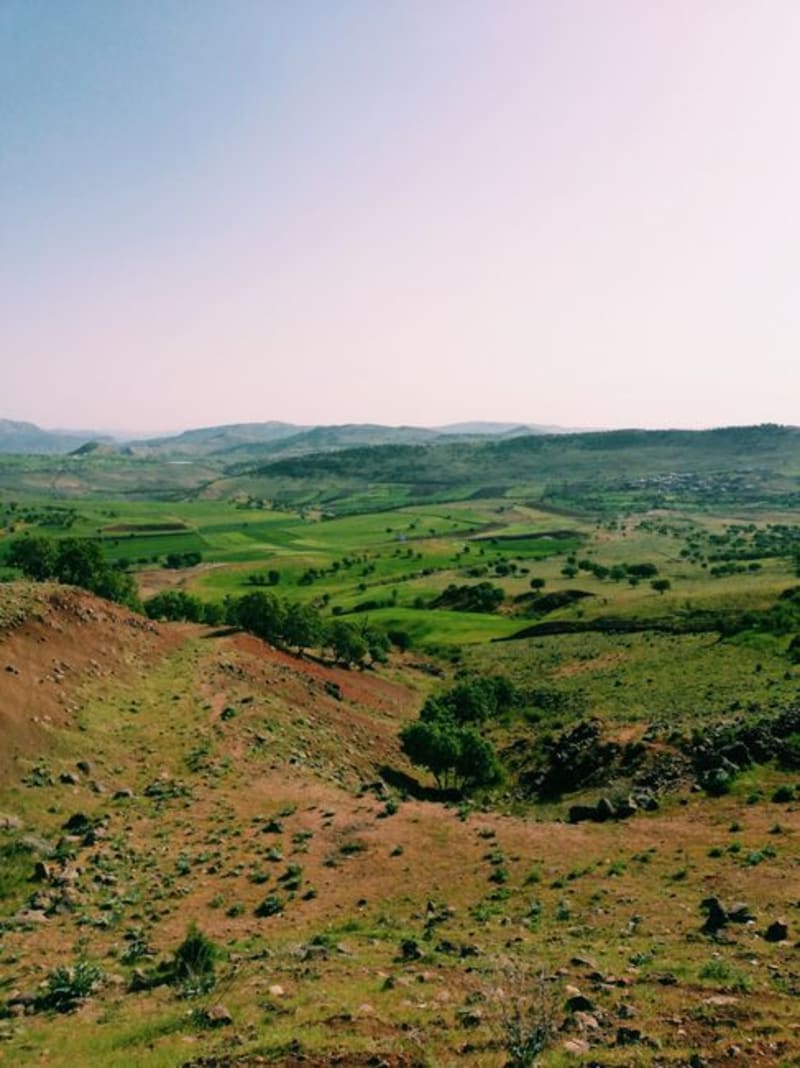 lebanon
 Faraya
A ski resort an hour from the Mediterranean where I traded flip-flops for snow boots in the same afternoon, which is the entire point of Lebanon.
Explore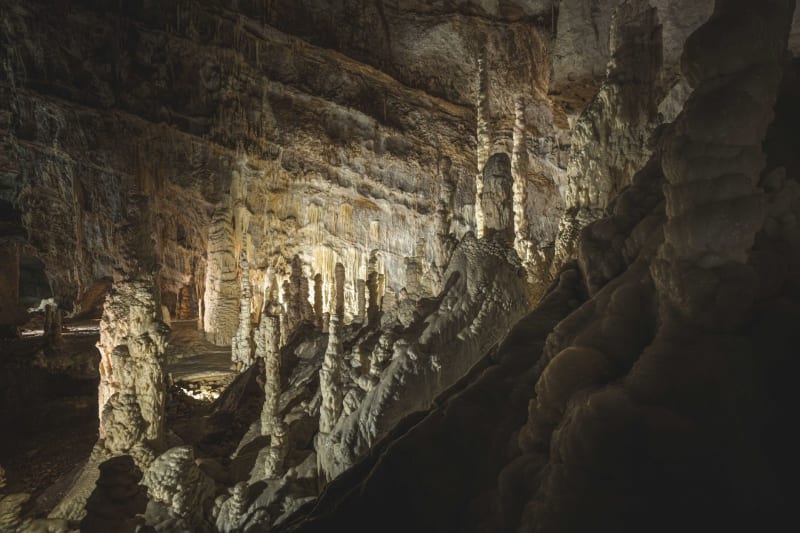 lebanon
 Jeita Grotto
A two-level cave system whose scale and formations are so extreme they push past beautiful into something more like vertiginous.
Explore