Ventspils
"I came expecting a grey oil port and found a town that had decided, almost out of spite, to be charming."
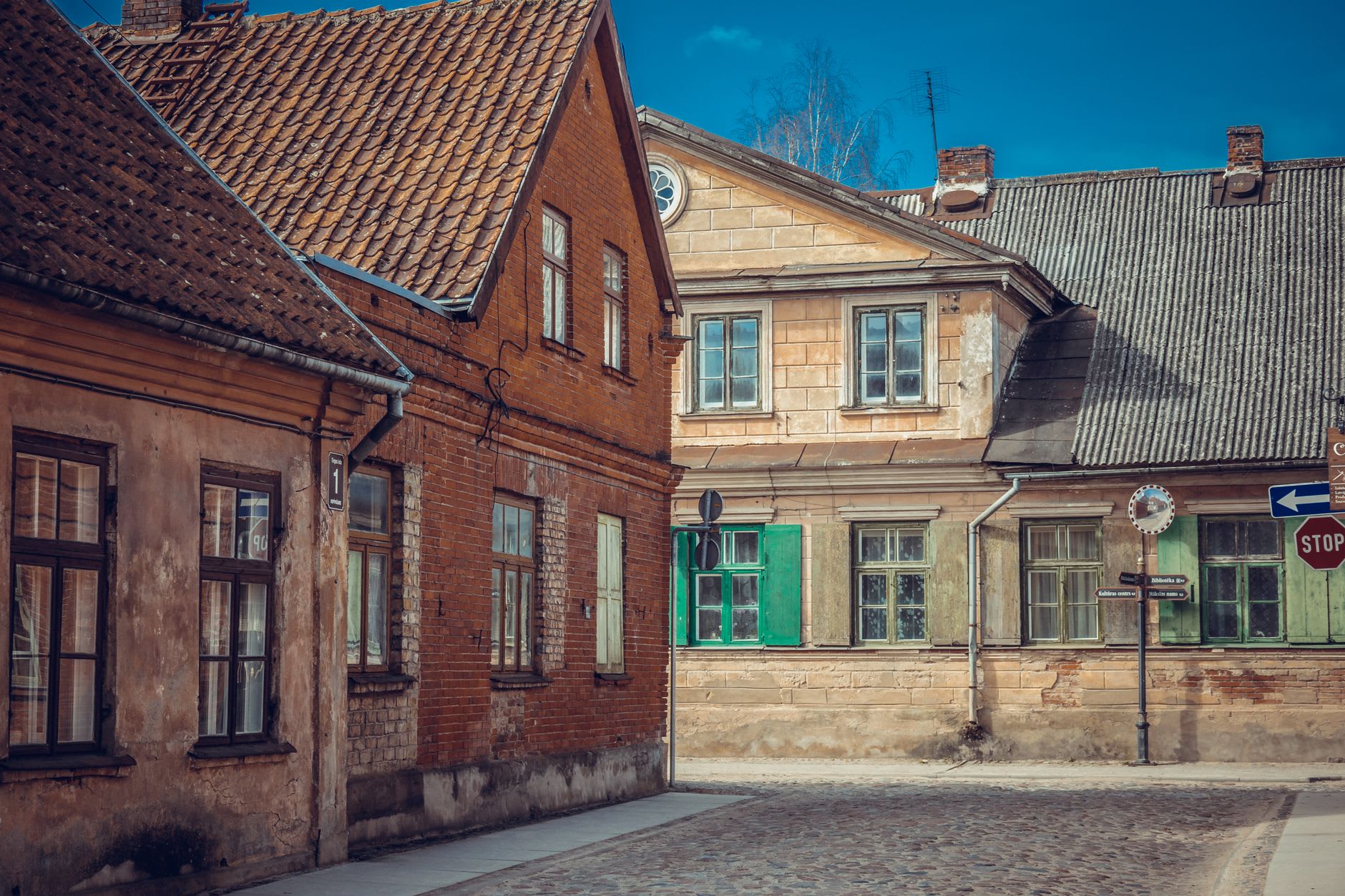
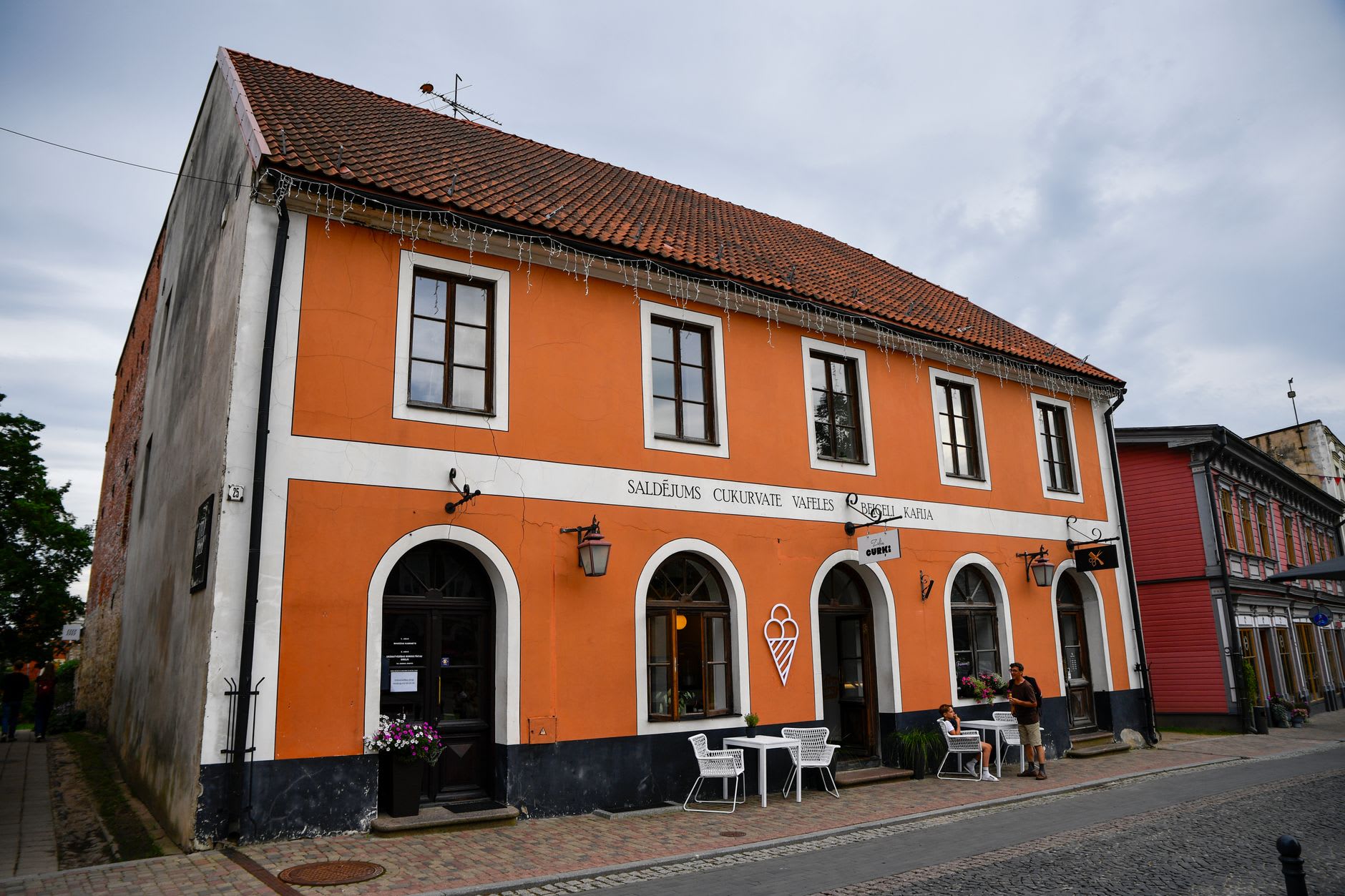
Ventspils confused me, and I mean that as a compliment. It is one of the busiest cargo ports on the Baltic, a place that ships oil and timber and grain out into the world, and everything I knew about working ports told me to expect grime, fences, and a waterfront I could not reach. Instead the town has spent its oil money on flowers, fountains, spotless pavements, and an army of painted cow sculptures, with the result that walking through it feels less like visiting Latvia’s industrial coast than wandering through a model of what a town wishes it were. Lia called it suspiciously tidy. She was not wrong.
A castle that became a prison and then a museum
The oldest thing here is the Livonian Order Castle, built by the crusading knights in the thirteenth century and one of the best-preserved medieval fortresses in Latvia. What I found fascinating is how many lives it has had: a knightly stronghold, then a garrison, then — for a long, grim stretch — a prison, with cells that were in use well into the twentieth century. The museum inside does not tidy this away. You walk from a room about the Teutonic knights into a preserved Soviet-era cell, and the centuries collapse into one another in a way that is more honest than most castles allow.
I climbed the tower for the view and got the whole improbable arrangement in one frame: the Venta river full of cargo cranes on one side, and on the other, red roofs and church spires and, beyond them, the pale line of the beach. A port and a seaside resort wearing the same coat.
Cows, dunes and a narrow-gauge train
The beach is the other surprise. Ventspils has held a Blue Flag for clean water and sand for years, and on the afternoon we went the dunes stretched white and almost empty, the Baltic doing its flat, cold, grey-green thing under a sky that could not decide on weather. Behind the dunes runs a seaside open-air museum, and through it puffs a genuine narrow-gauge steam train — a leftover of the network that once threaded this whole coast. We rode it for no reason other than that it existed, sharing a carriage with a Latvian family whose small boy was having the single greatest day of his life.
And then there are the cows. Ventspils took part in the international CowParade years ago and simply never stopped — fibreglass cows painted as sailors, as mosaics, as flowers, scattered through the parks and squares. It should be unbearable. Somehow, in a town this committed to its own cheerfulness, it lands as charming instead. I spent an embarrassing amount of time photographing a cow dressed as a Baltic fisherman, and I regret nothing.
When to go: June to August for the beach and the open-air museum in full swing. The town hosts a big city festival in early August — lively, but accommodation vanishes, so book ahead or visit either side of it.