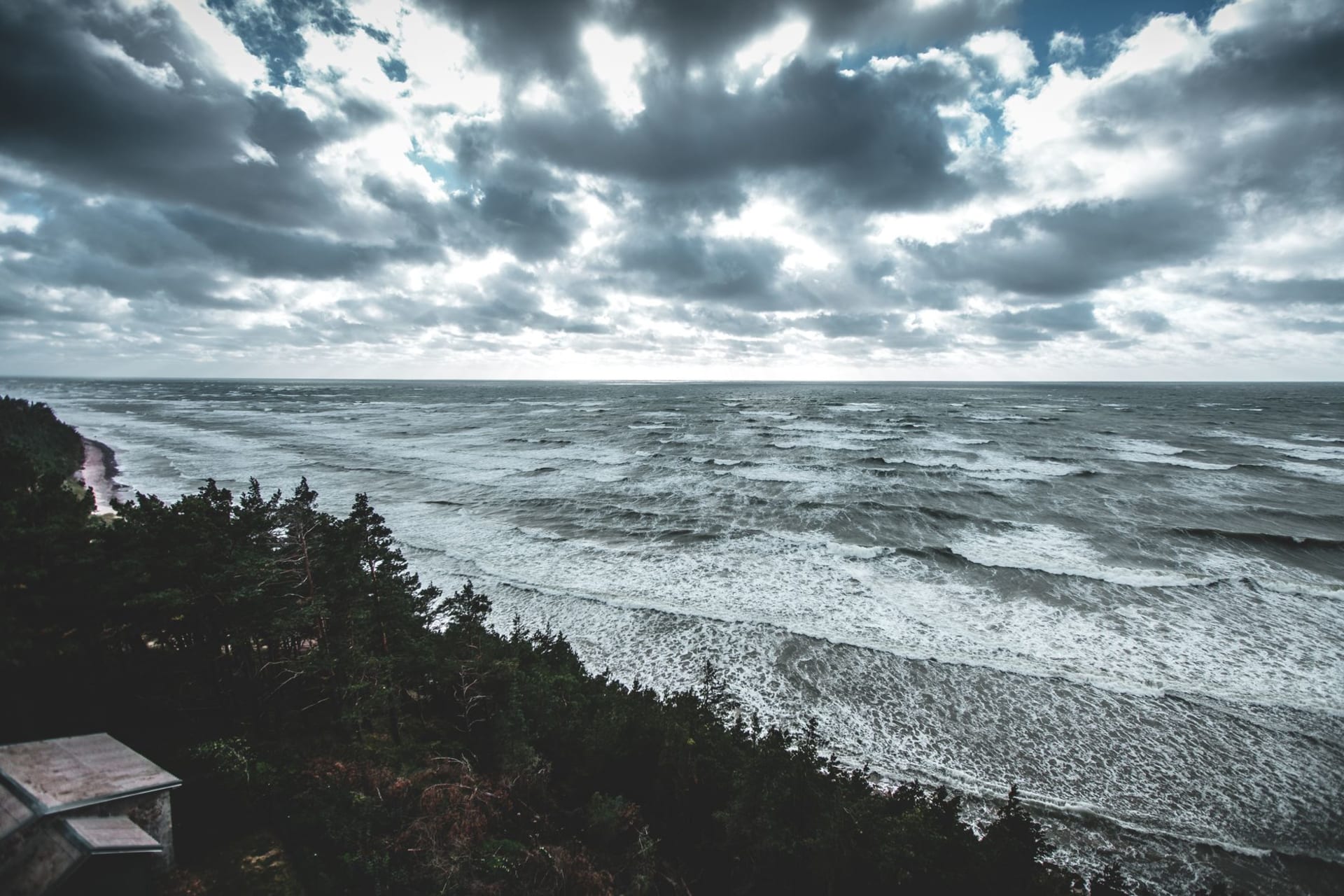
Riga Art Nouveau District
"I spent two mornings just staring upward on Alberta iela — my neck still hasn't forgiven me."
Nobody warned me how physically exhausting it would be to look at Riga’s Art Nouveau district. I spent two mornings on Alberta iela and Elizabetes iela and emerged both times with a stiff neck, a full phone memory, and the distinct sense that I had been watching a fever dream expressed in plaster. Mikhail Eisenstein designed the apartment buildings along these streets at the turn of the twentieth century with a theatrical confidence that bordered on mania — masked figures at the rooflines, sphinx-flanked balconies, floral grotesques blooming from cornices, entire human faces emerging from facades as if the buildings themselves were dreaming. No two are quite the same and yet the whole neighborhood coheres into something unified, the way a long poem with varied stanzas still feels like a single thought.
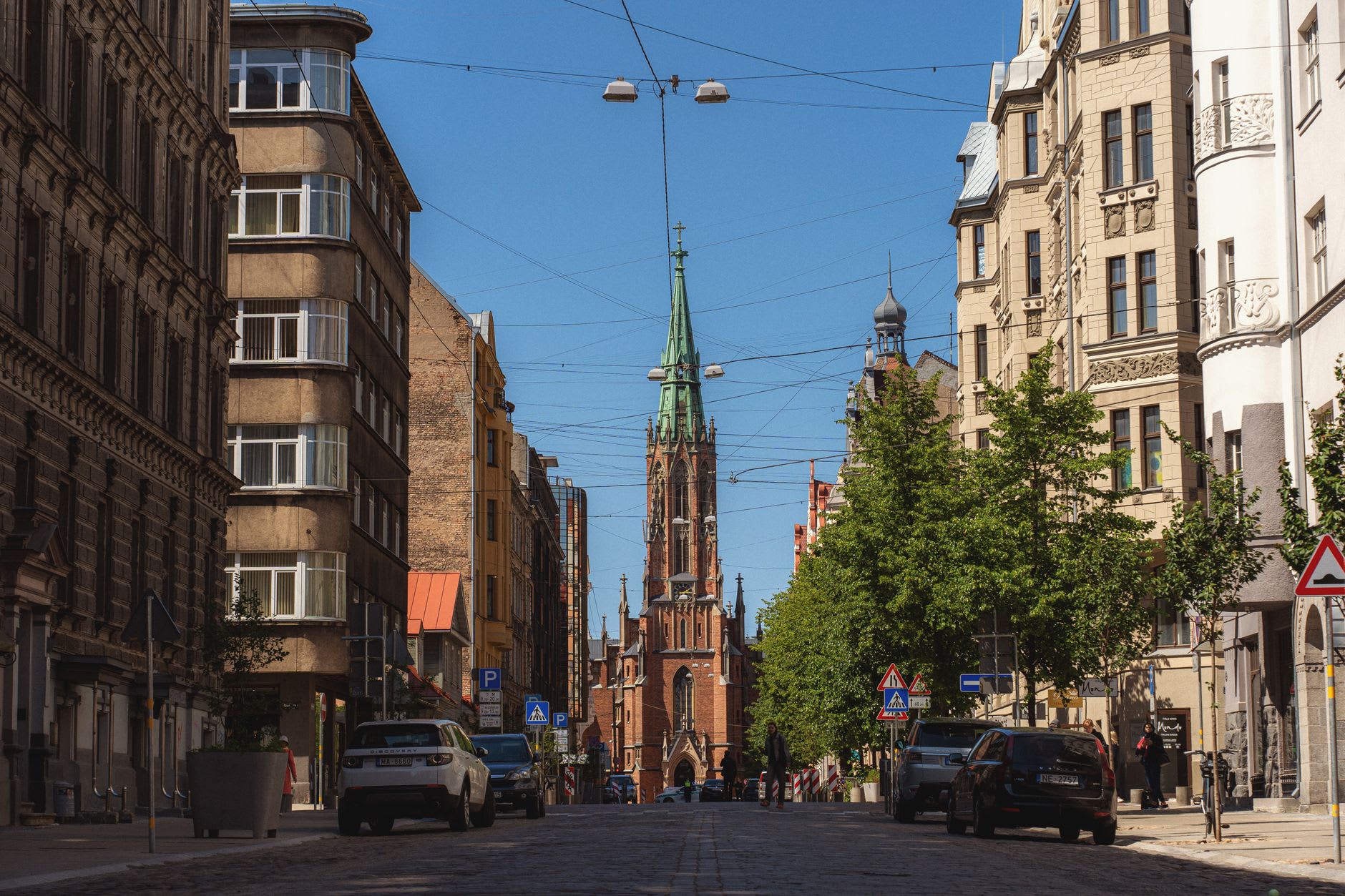
Latvia has around 800 Art Nouveau buildings — more per capita than anywhere else in Europe — and the concentration along Alberta iela is the densest of all. I walked the street slowly, crossing to the shaded side to see the detail on the sunny facades, then crossing back. A woman was shaking a dust cloth from a third-floor window. Two cyclists passed. An elderly man sat on a doorstep reading a newspaper, apparently indifferent to the architectural spectacle arranged around him. This is what makes the neighborhood remarkable rather than merely photogenic: it is lived in. These are apartment buildings, not museums. The balconies hold satellite dishes and drying laundry alongside their stone lions and carved garlands. The juxtaposition is not ironic — it is simply life going on inside a masterpiece.
The Riga Art Nouveau Museum occupies one of Eisenstein’s buildings at Alberta iela 12 and restores the interior of a bourgeois apartment to its 1903 condition. Dark wood paneling, period furniture, tiled stoves, ornate ceiling moldings — the whole domestic theater of a class that was comfortable and said so with every surface. I arrived just before noon and was the only person there for most of the visit, walking through rooms that smelled of old wood and floor wax, pausing at a writing desk where the inkwell still sat open. It costs almost nothing to enter and you can spend an hour absorbing a domestic world that the twentieth century demolished almost everywhere else.

Passing the buildings by the Latvian architect Konstantīns Pēkšēns on Elizabetes iela, I noticed how the style shifts register: where Eisenstein is baroque, theatrical, concerned with maximum effect, Pēkšēns is more restrained — geometric ornament, clean verticals, a vocabulary drawn from folk symbolism rather than classical mythology. Both represent valid arguments for what a street facade can be when it is trying. The best time to experience the district is morning, when the light comes from the east and hits the facades directly, throwing the modeled plaster into sharp relief. Come with a coffee, come without a schedule, and spend time looking up until your neck insists you stop.
The surrounding Quiet Center — Klusais centrs — extends the pleasure into an entire residential district of early twentieth-century apartment buildings that function as a more livable, less concentrated version of the same architectural impulse. Streets like Strēlnieku iela and Antonijas iela are worth adding to the walk for their atmosphere of unhurried Baltic bourgeois life that has, somehow, survived.
When to go: Spring through early autumn, when the morning light is best and the trees on Alberta iela are in full leaf. October gives moody cloud light that makes the stone facades even more dramatic. Avoid midday in any season — the overhead light flattens the facade detail that makes these buildings extraordinary.