Pulau Singa Besar
"Big Lion Island, and not a single lion — just hornbills louder than any engine."
A quiet wildlife sanctuary island south of Langkawi where hornbills call from the canopy and the boat never quite touches the sand.
Lia booked us onto an island-hopping tour almost as an afterthought, the kind of thing you add to a Langkawi itinerary because everyone says you should. We’d already done Pantai Cenang’s sunset bars and the cable car up Gunung Mat Cincang, so when the boat pulled away from Kuah jetty toward Pulau Singa Besar, I wasn’t expecting much beyond a photo stop. I was wrong within about ten minutes. The engine cut, the boatman pointed up into the trees, and there it was — a great hornbill, that improbable yellow casque catching the light, completely unbothered by our idling boat below.
That’s the thing about Singa Besar: it’s a wildlife sanctuary and forest reserve, not a resort island, so almost nothing has been built on it. No jetty full of souvenir stalls, no beach bars — just dense forest kept deliberately undeveloped to protect what lives inside it. Our guide cut the engine near the shoreline and pointed out a monitor lizard hauling itself across a half-submerged log, and later a troop of long-tailed macaques working the branches for fruit.
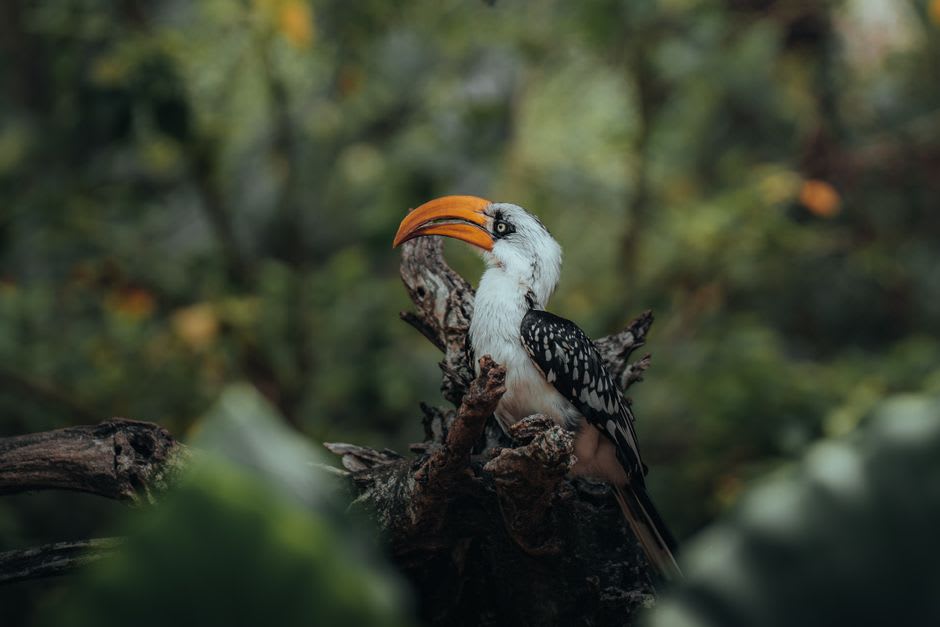
We never actually landed. Most tours only allow short guided stops here, if that — the whole point is to look, not to occupy. Our boatman timed it so we’d catch one of the eagle-feeding demonstrations that happen on the way past, tossing scraps into the water and watching brahminy kites fold out of nowhere to snatch them mid-air. Lia had her camera up the entire time, half-annoyed at herself for not bringing a longer lens, muttering that she’d come back just for that.
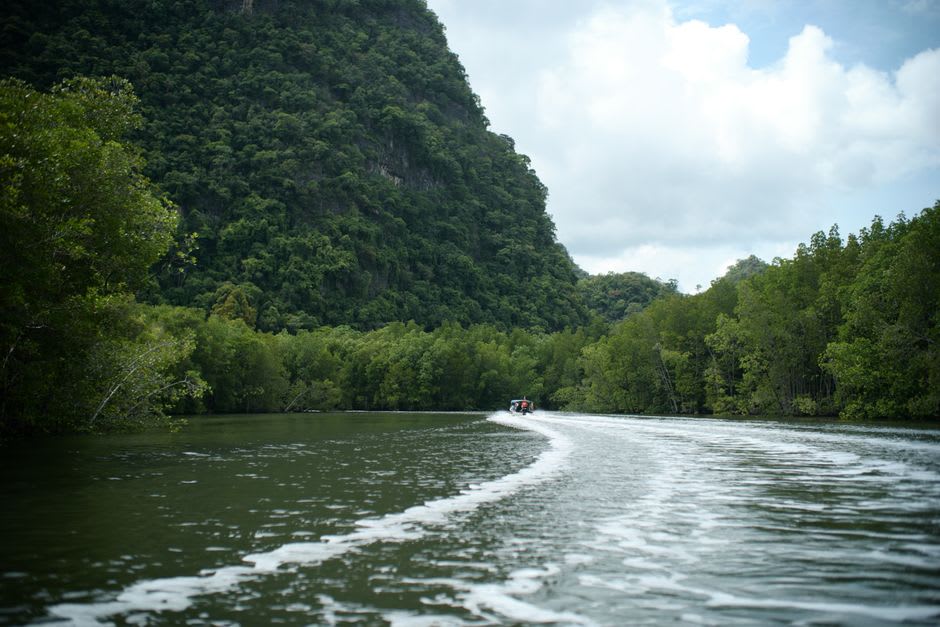
There’s something almost funny about the name — “big lion island” — when the whole appeal is that no lion, and no human development either, ever really took hold here. It’s just forest, water, and the animals that got left alone long enough to thrive. Coming from Pantai Cenang’s crowds, that silence between the outboard cutting off and the first hornbill call was worth the whole detour.
When to go: We went during the dry season, and I’d recommend sticking to that window — from November to March, when the crossing from Dayang Bunting stays calm enough to actually enjoy the ride instead of white-knuckling the rail.
Keep exploring
More from Langkawi
 langkawi
 Tanjung Rhu
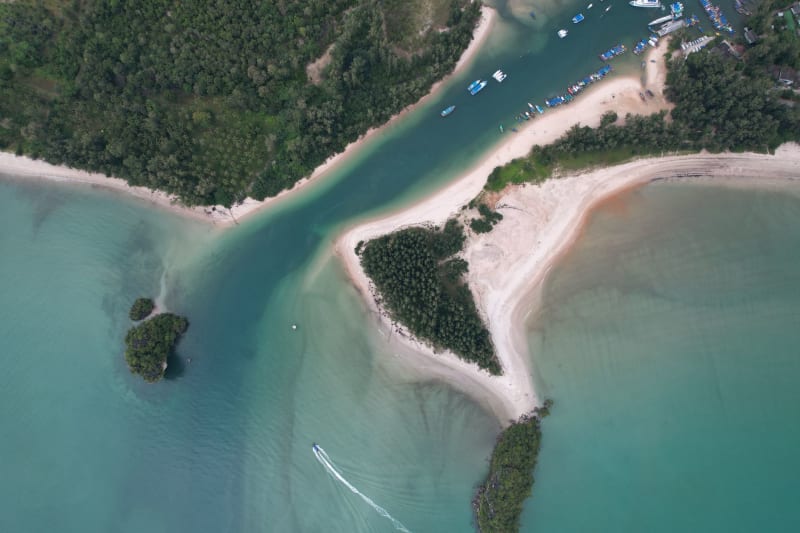
A remote northern beach where the mangrove forest dissolves into open sea and the silence is the main attraction.
Explore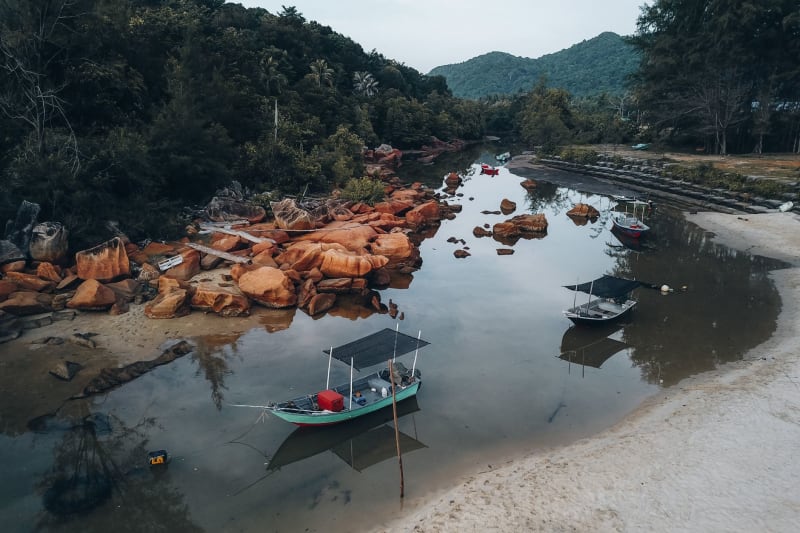 langkawi
 Telaga Tujuh
Seven freshwater pools cascade down a jungle hillside near Gunung Mat Cincang — better reached early, best experienced with no particular agenda.
Explore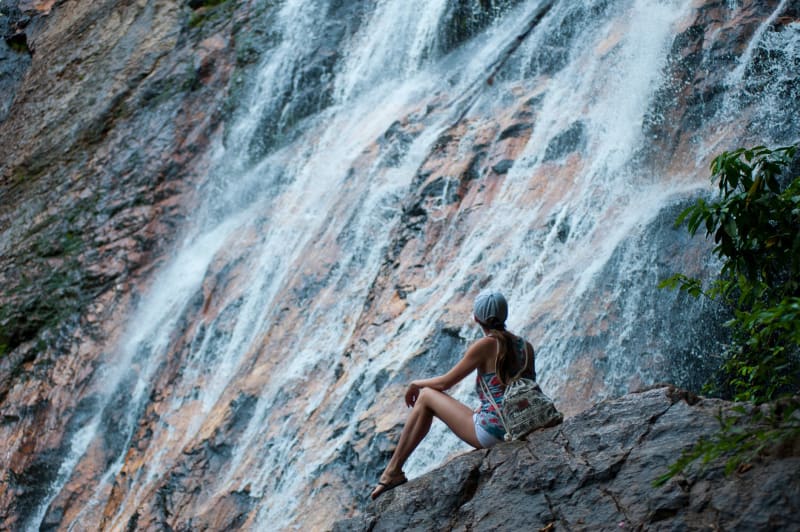 langkawi
 Temurun Waterfall
Langkawi's tallest waterfall reached by a jungle road that will test your scooter and reward your persistence with a pool almost nobody else finds.
Explore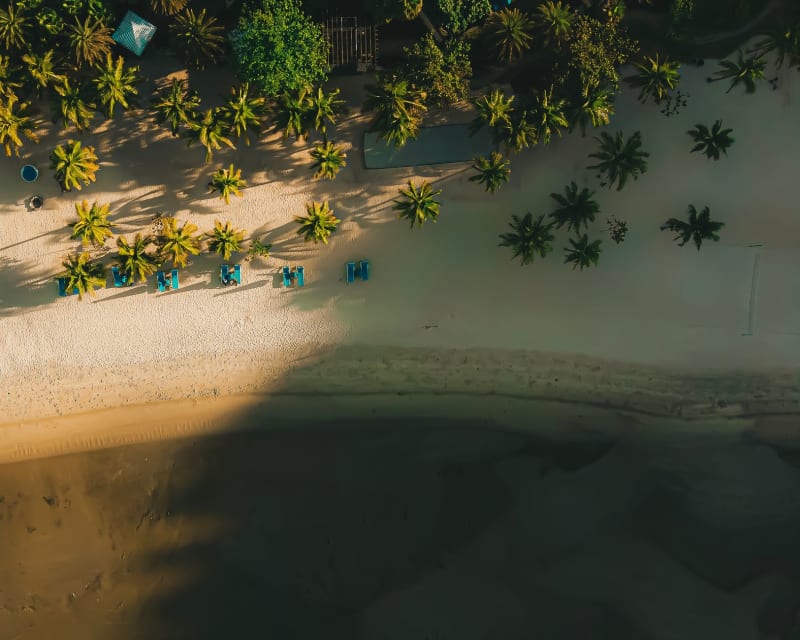 langkawi
 Datai Bay
A deep crescent of bay in the northwest corner, where ancient rainforest meets a beach so quiet it feels borrowed from another era.
Explore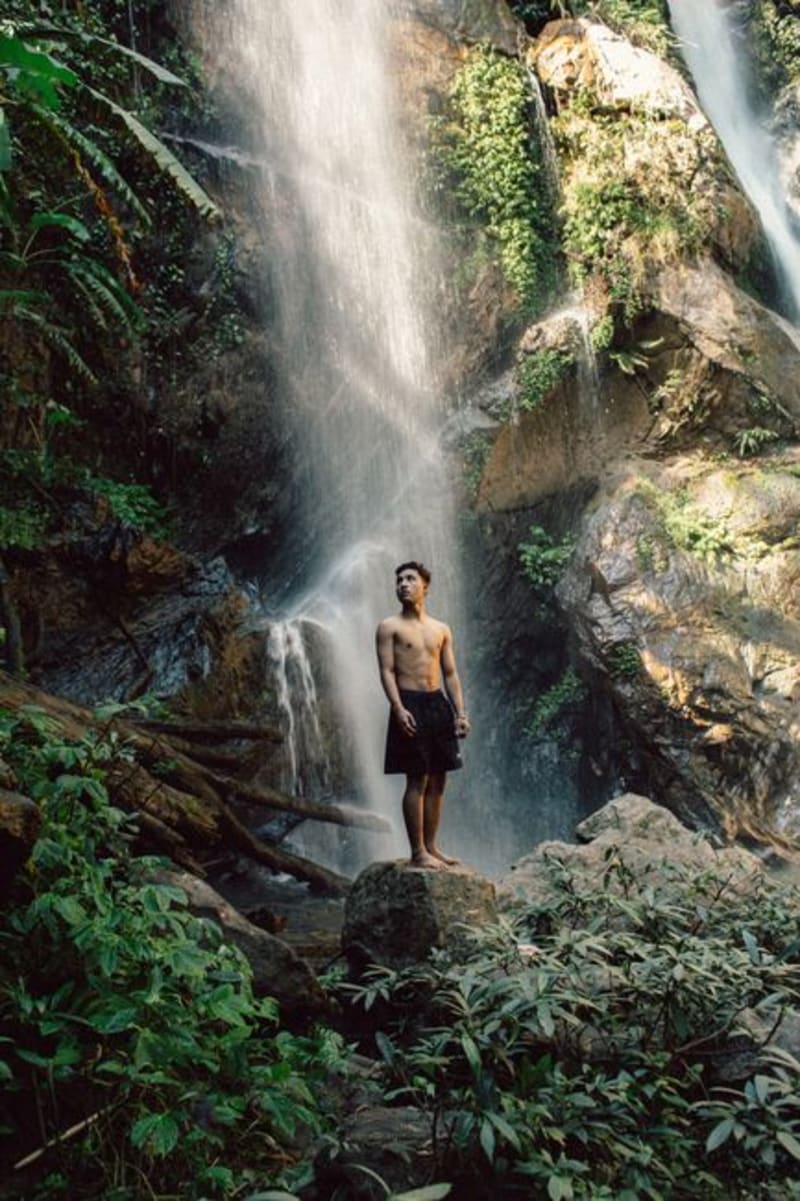 langkawi
 Durian Perangin Waterfall
A tiered jungle waterfall in northern Langkawi where macaques watch from the rocks and the pools stay blissfully quiet.
Explore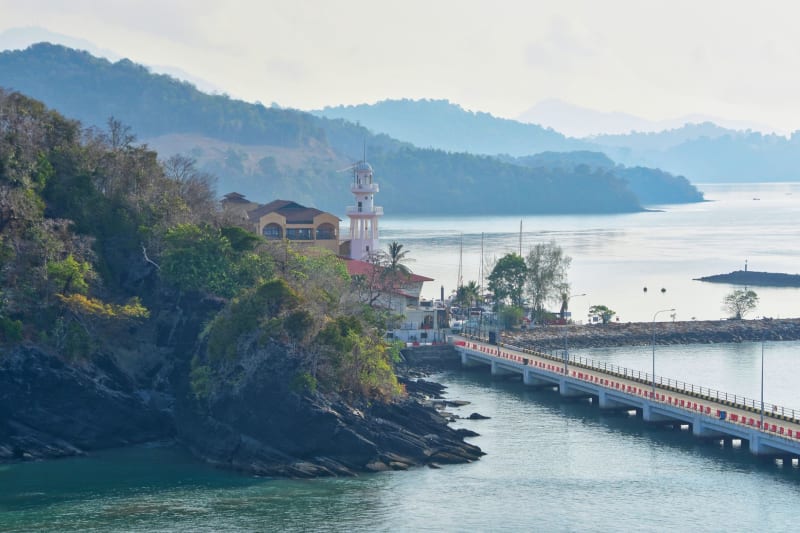 langkawi
 Gunung Mat Cincang
Langkawi's highest peak offers a cable car ascent through jungle to a sky bridge swaying 700 meters above the Andaman.
Explore