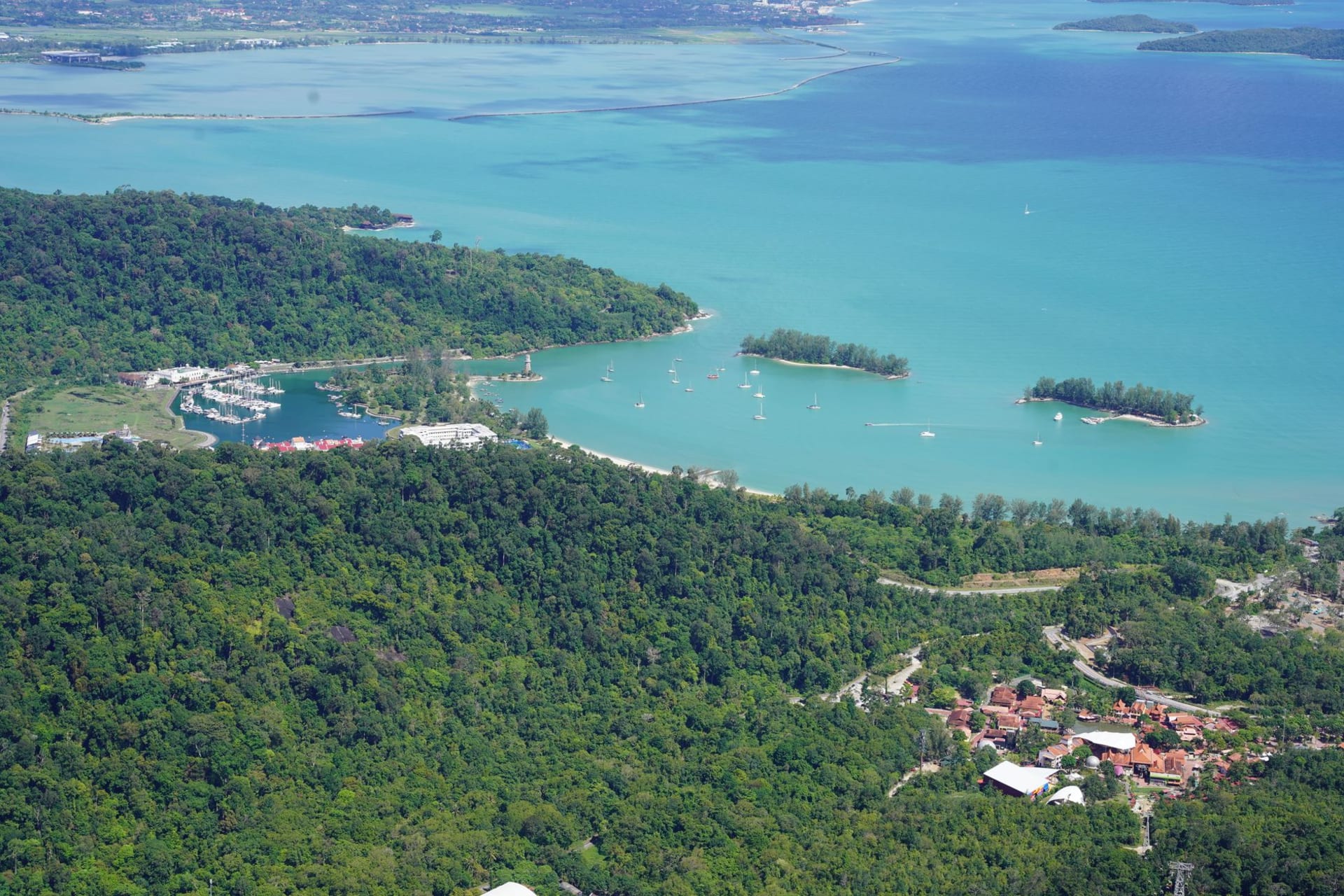
Pantai Tengah
"Tengah is what Cenang aspires to be at six in the morning, except here it feels like that all day."
Pantai Tengah begins where Pantai Cenang ends and immediately quieter. The road narrows slightly, the density of shops drops off, and the beach — which is the same beach, technically, just continuing south — develops the particular atmosphere of a place that has decided not to compete. On a Wednesday afternoon in January, I walked its full length and shared it with perhaps twenty other people, a few kite surfers working the south end, and one dog who appeared to be on a private agenda and had no interest in coordinating with anyone.
The name means “Middle Beach” and the description is accurate in all the ways that matter. It sits between the bustle of Cenang to the north and the relative remoteness of the southern tip of the island beyond, and it has absorbed a little of each without fully committing to either. The guesthouses and mid-range resorts that line the road are not luxury and are not budget but occupy the useful middle ground where things work without calling attention to themselves: comfortable beds, ceiling fans, small pools surrounded by garden, the smell of frangipani in the evening.
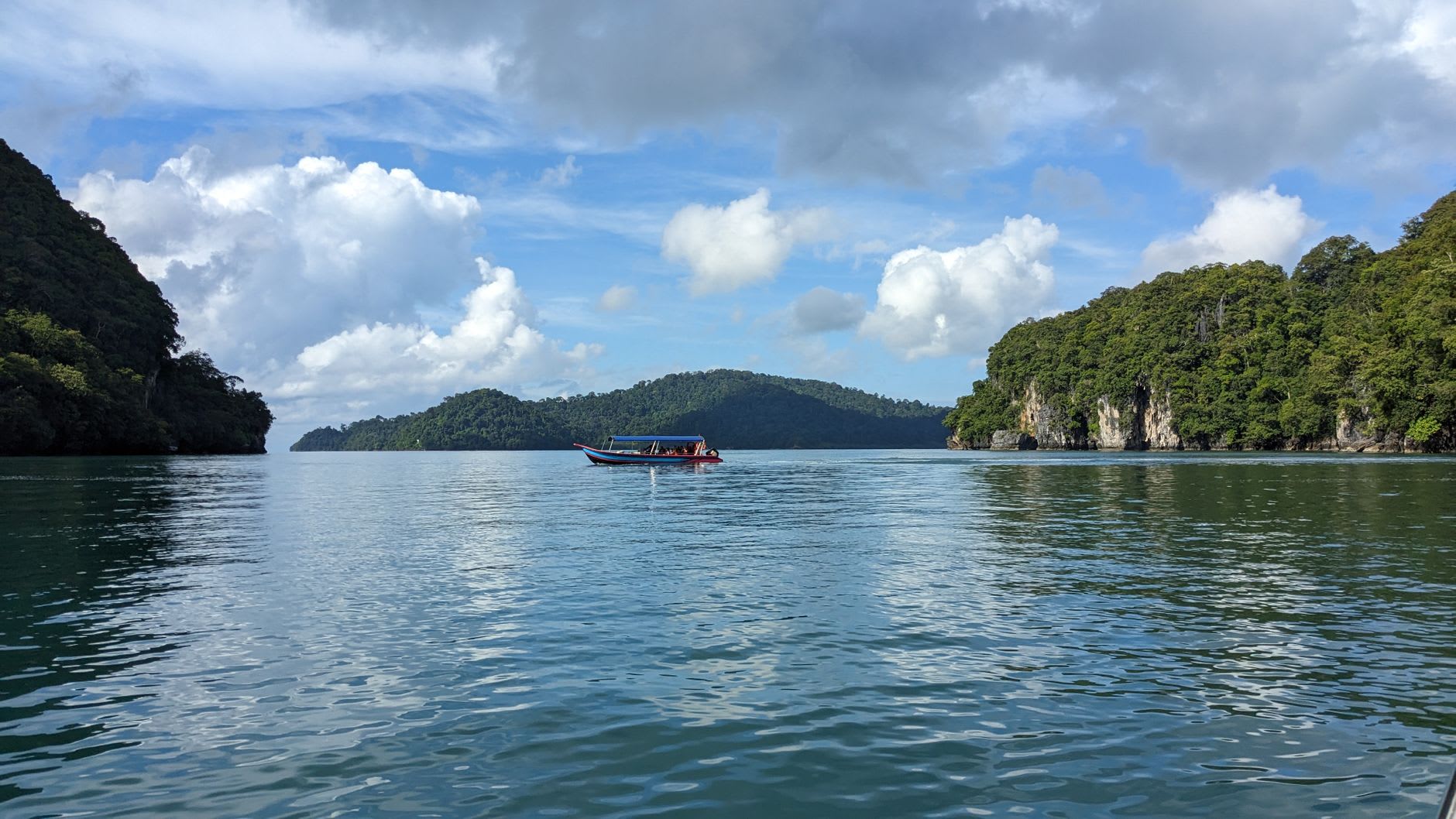
The eating is where Tengah distinguishes itself cleanly from its more famous neighbor. The restaurants along the Tengah strip are not primarily aimed at tourists looking for fish and chips or Western breakfast menus. There is a nasi lemak stall that opens at six in the morning and closes when the rice runs out, which based on my observation happens around nine — the coconut rice arrives still hot, wrapped in banana leaf, with a hard-boiled egg and ikan bilis (tiny fried anchovies) and the kind of sambal that justifies eating at dawn. There is a mamak restaurant — one of those Tamil Muslim operations open improbably late and improbably early — where the roti canai comes with three different curries and the teh tarik is pulled so high the foam is a matter of genuine technical pride.
In the evenings, the beach at Tengah has a quality I find difficult to describe without making it sound underwhelming, which it is not: it is simply a beach in the evening, with people walking, some of them fishing from the rocks at the south end, the lights of a fishing boat visible far out. No DJ, no beach club, no cocktails with umbrellas unless you specifically want them. I sat on the sand for an hour one evening with a bottle of Anchor purchased from a nearby minimart, watching the sky do the thing it does here after sunset when the colour sequences through orange and rose and then settles into a purple-grey that makes the horizon line feel like something drawn in pencil.
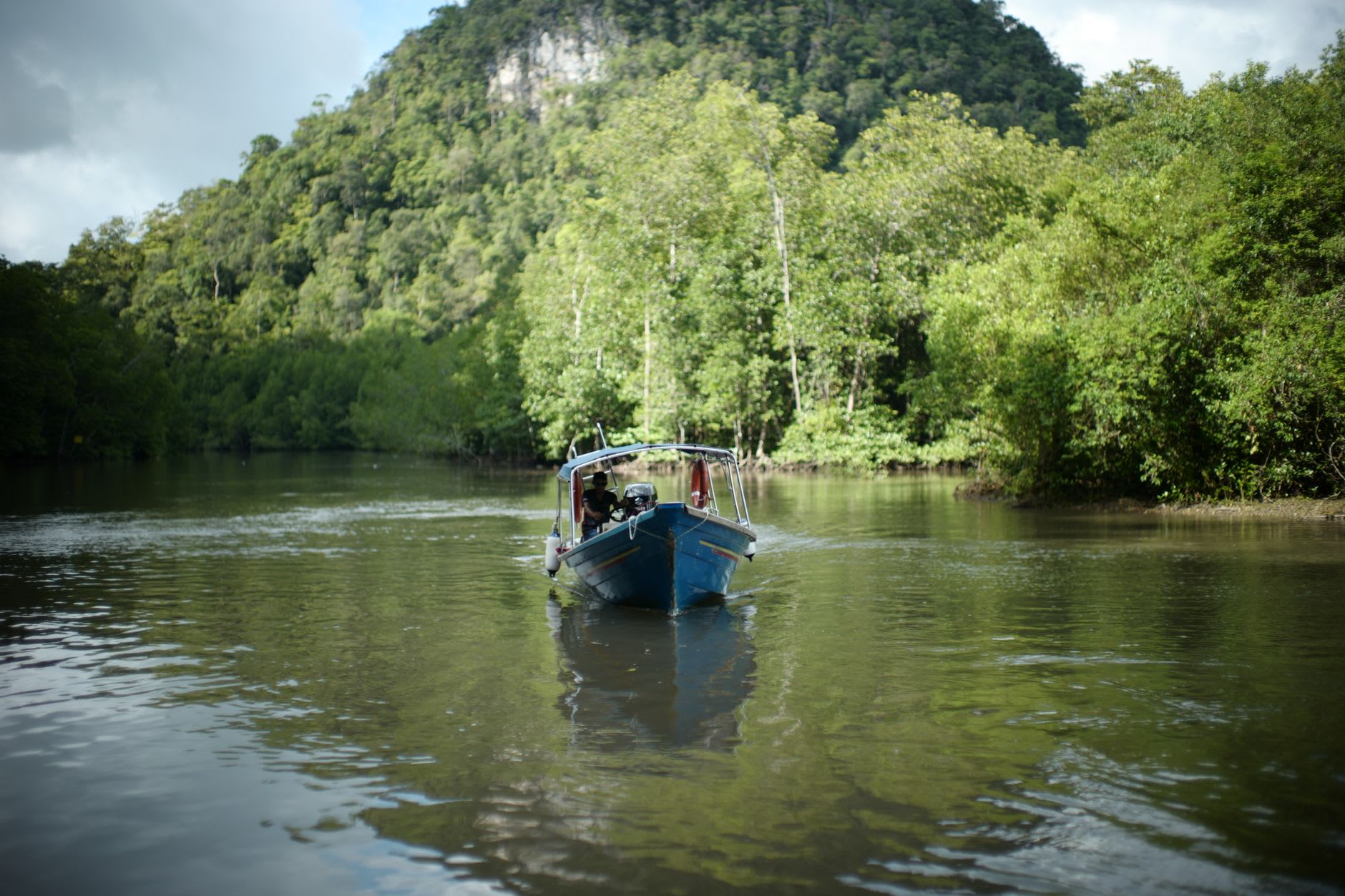
The stretch of beach at the far south end, past the last resort and before the road curves inland, is the best part. Here the sand is almost empty even on weekends, a small headland provides some shelter from the southern wind, and the water in the lagoon formed by it is calm enough for confident swimming. I swam there every morning I stayed in Tengah and saw perhaps five other people over four mornings. One of them was doing yoga on the beach as the sun came up. She looked like she had found something.
When to go: November through March is ideal for the beach itself — calm, clear, warm without the southwest monsoon’s aggression. The mamak restaurants and food stalls operate year-round regardless of weather. Tengah is a good base for exploring the island by scooter: centrally located, cheaper than Cenang, quieter at night without being remote.