Asia
Langkawi
"The Andaman caught me off guard — I expected a beach, not a whole ecosystem."
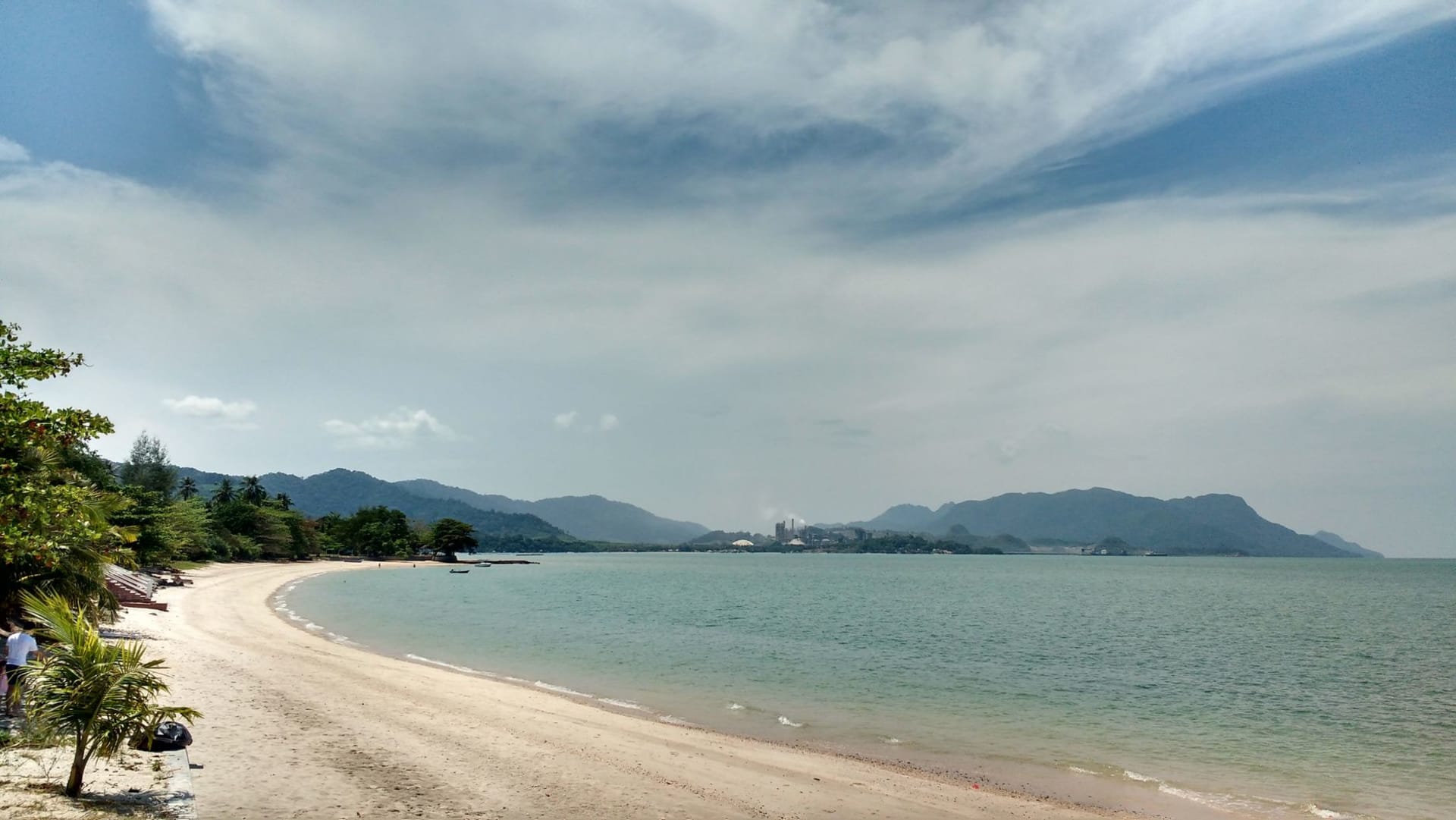
The ferry from Kuala Perlis crosses in under an hour, but Langkawi feels like it belongs to a different geology, a different logic. The water shifts from green to turquoise somewhere in the middle of the crossing, and by the time you dock at Kuah, the limestone karsts are already doing their thing — jutting out of the sea at angles that look too dramatic to be casual. I had been warned it was commercialized, and parts of it are, but the island absorbed twenty minutes of riding down a back road into the mangroves before I forgot I had ever heard that word.
The mangrove tours on the Kilim Geoforest Park rivers are the piece most people either skip or do halfheartedly from a large motorboat. Do not do that. Rent a small boat with a guide who knows the ecosystem, and you will drift past monitor lizards sunning on roots, through caves the tide floods twice a day, and under canopies where brahminy kites wheel overhead waiting for someone to throw a fish. It sounds like a wildlife brochure. It is not — it is genuinely strange and quiet and old in a way that the beach bars fifty kilometers away are not. The sunset from Tanjung Rhu, where the mangroves meet the open sea, is one of those views that makes you stop talking for a few minutes, which is high praise from me.
The cable car up Gunung Mat Cincang earns its reputation, but the trick is going early — before the haze settles and before the tourist buses arrive. From the top station at 708 meters, you can see the Thai islands to the north and the whole of the Langkawi chain spread out below. The sky bridge swaying gently above the tree line is the kind of thing I would normally dismiss, but the view from it is genuinely irreplaceable. Afterward, the waterfall at Temurun — reached via a side road through jungle that Google Maps claims is navigable and that is absolutely not navigable — is worth the effort if you have a scooter and enjoy mild decisions.
When to go: November to March is the dry season — clear water, manageable heat, and optimal visibility for the mangroves. Avoid July and August if you want calm seas. The southwest monsoon hits hard from June through September, and while the island stays open, the west-facing beaches get rough and the cable car frequently closes in the cloud.
What most guides get wrong: They sell Langkawi as a beach holiday and compare it unfavorably to Thailand. That comparison misses the point. The beaches are fine, but the ecosystem — the geopark, the mangroves, the karst geology — is what makes this place specific. Go for the landscape, not the sand.