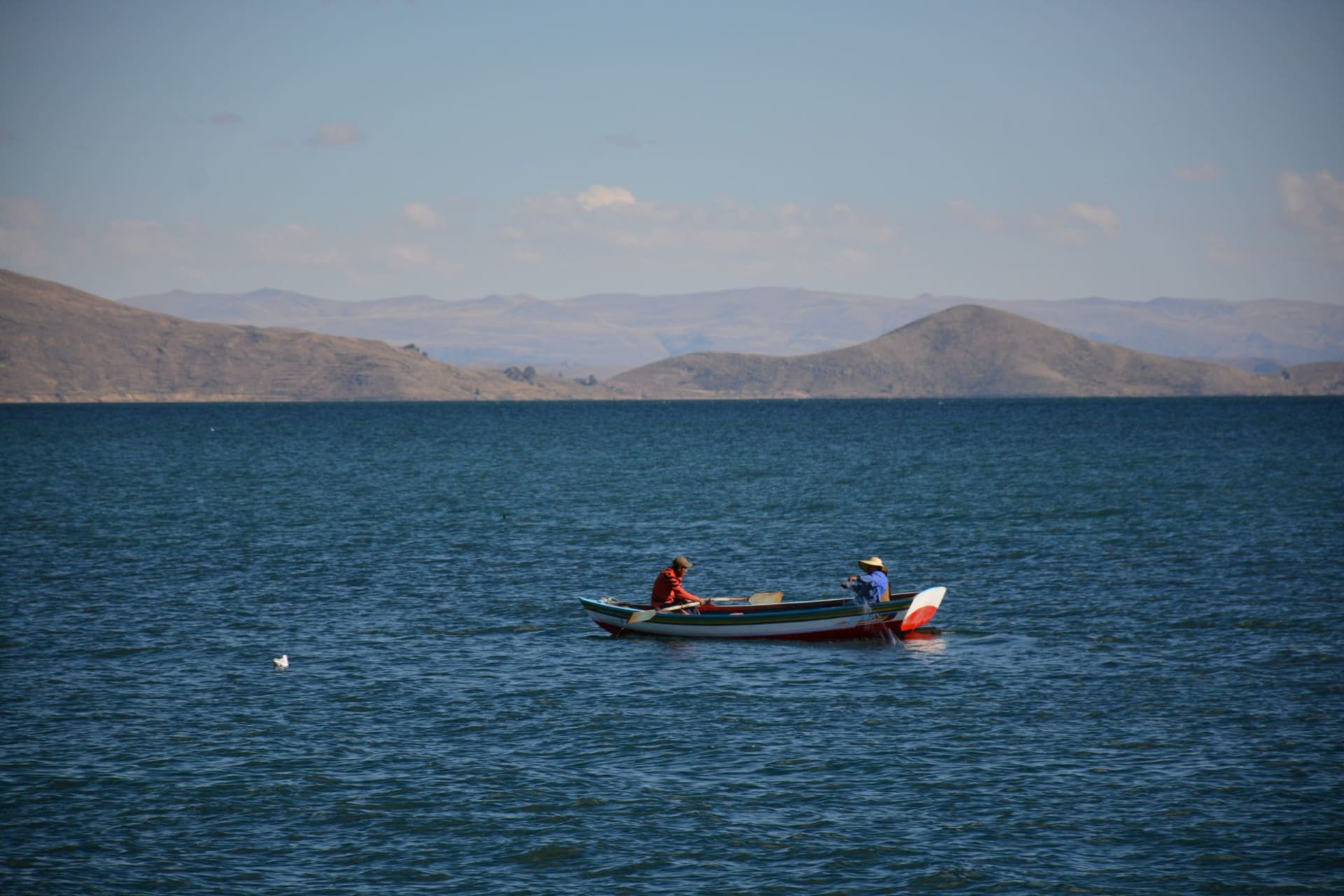
Uros Floating Islands
"The island moves under your feet — a faint undulation, like standing on something alive."
The boat from Puno is twenty minutes of open water, then the Uros islands appear without fanfare — low, golden humps rising barely above the lake surface, each one tethered to the others and to the lake floor by ropes nobody seems to think about. I stepped off the wooden launch onto a surface that gave slightly, like a firm mattress, and instinctively looked down. There was no wood, no concrete. The ground under my boots was woven reed, three metres thick, and below that was water all the way down. I stood there for a second adjusting to the physics of it.
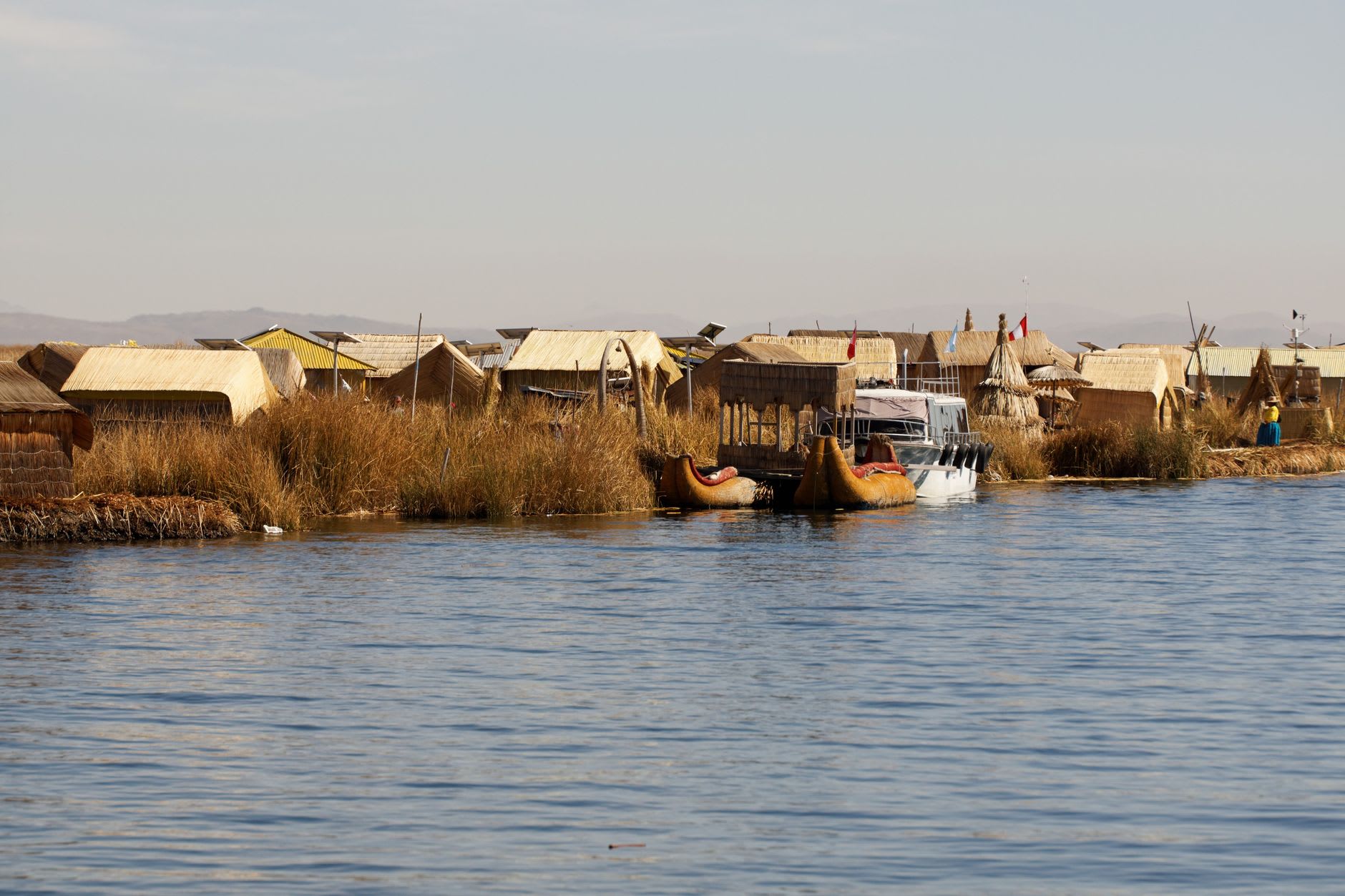
The Uros are not a performance. That distinction matters. They began living on the lake, scholars believe, partly to escape the territorial pressures of the Inca Empire — the water was sovereign country, off the tax rolls, unreachable by land-based armies. The islands they built, and continue building, are constructed from the totora reed that grows in the shallows: cut, dried, layered in bundles called khili, compressed over time into a platform that can support houses, cooking fires, and families. The bottom layers rot continuously; new layers are added on top. The islands are always being renewed from underneath.
A woman named Celestina showed me how it worked using a cross-section model — a teaching tool so worn from use that its edges had gone soft. Her Spanish was careful and patient. She explained that her family’s island was four generations old in the sense that it occupied the same water, but the physical material underfoot was no more than a few years old at any given point. The whole concept of permanence shifts slightly here. The island is not a place so much as a practice, an ongoing act of construction that happens to look like solid ground.
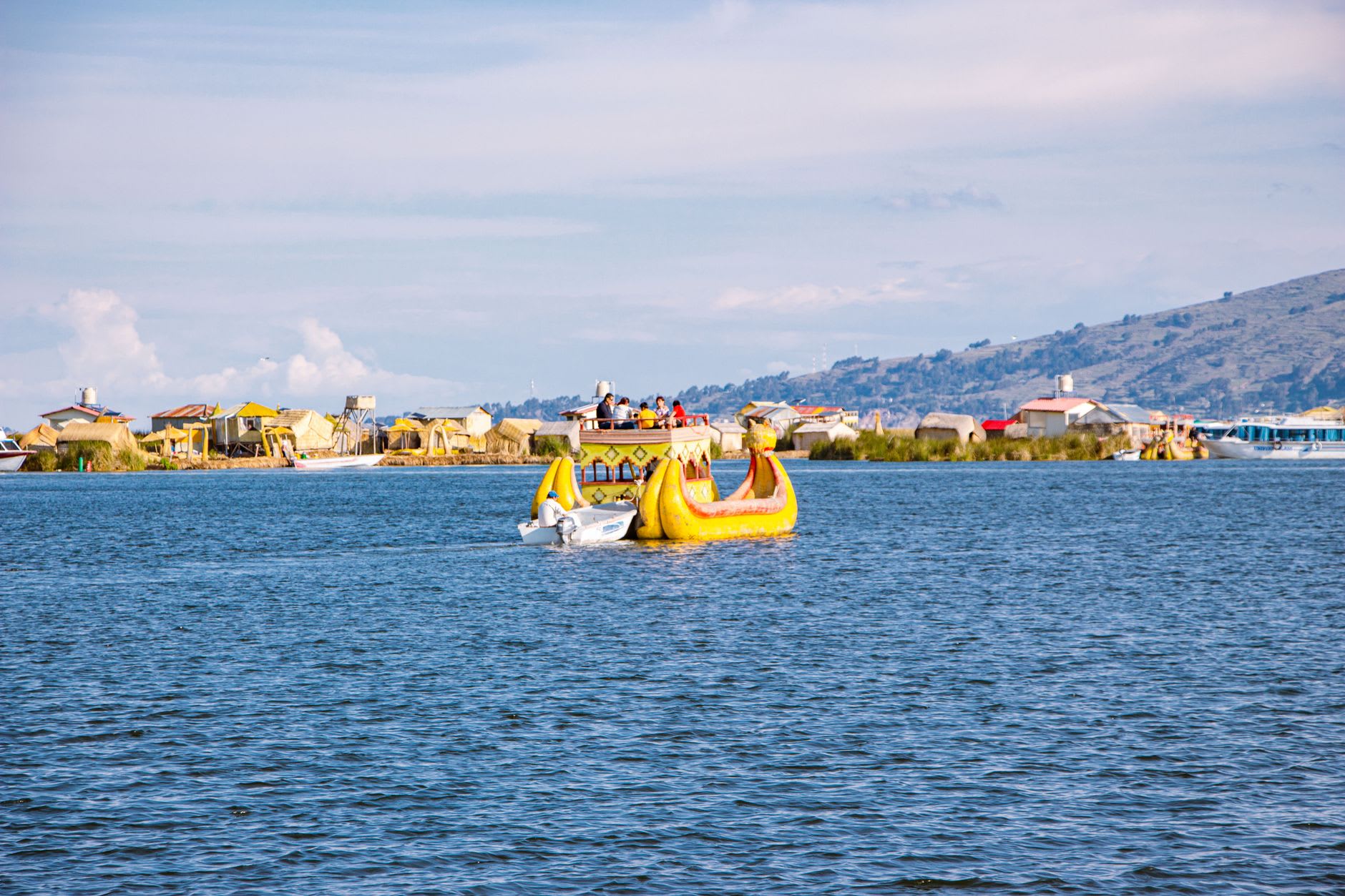
The reed boats moored alongside — the famous curved-prow vessels shaped like crescent moons — are functional, not decorative. Trips between islands, fishing expeditions, school runs to Puno: the boats carry all of it. I paid for a short circuit around the nearest cluster of islands and sat in the bow watching the prow cut through water so blue it looked implausible. Reed dust floated in the air. The captain steered with a single oar and didn’t look up.
What strikes me most in retrospect is the smell — a clean, slightly medicinal scent from the reeds drying in the thin high-altitude sun, mixed with woodsmoke from cooking fires and something mineral from the lake itself. I drank mate de coca from a plastic cup and listened to Celestina describe the school her children attended by boat every morning. The tour groups arrive, take photos, buy textiles, leave. The families remain, adding fresh layers to the island underneath their feet, getting on with it.
When to go: The dry season months of May through October give you the clearest light and calmest water for the boat crossing. Morning departures from Puno are best — the lake is glassy before the afternoon wind arrives. The islands are accessible year-round but February’s rainy season can make the crossing rough and the reeds muddy underfoot. Go early in the day and allow more time than the tour operators suggest.