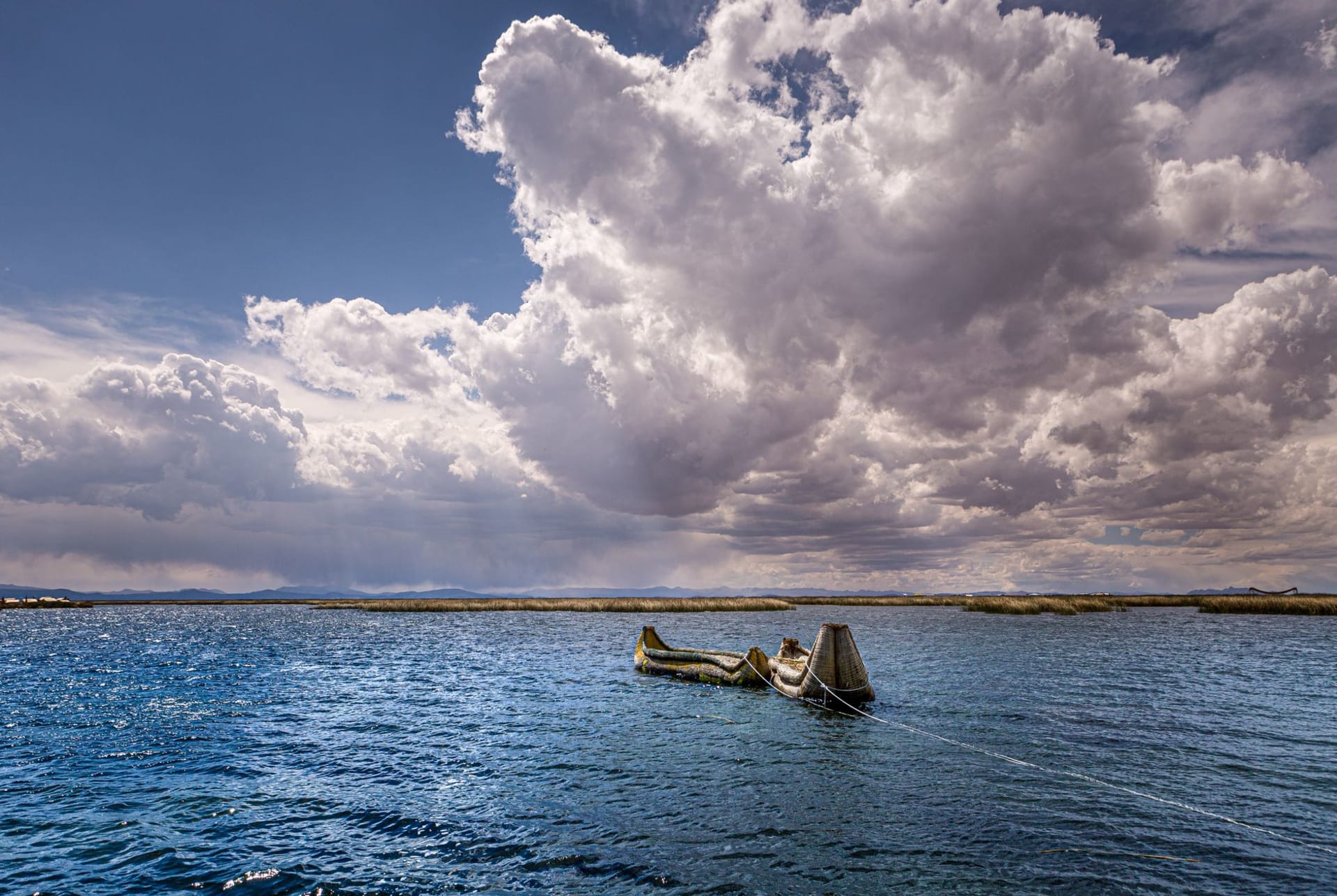
Taquile Island
"The men here knit while walking. I watched a man finish a row while climbing a hill, and felt suddenly very unproductive."
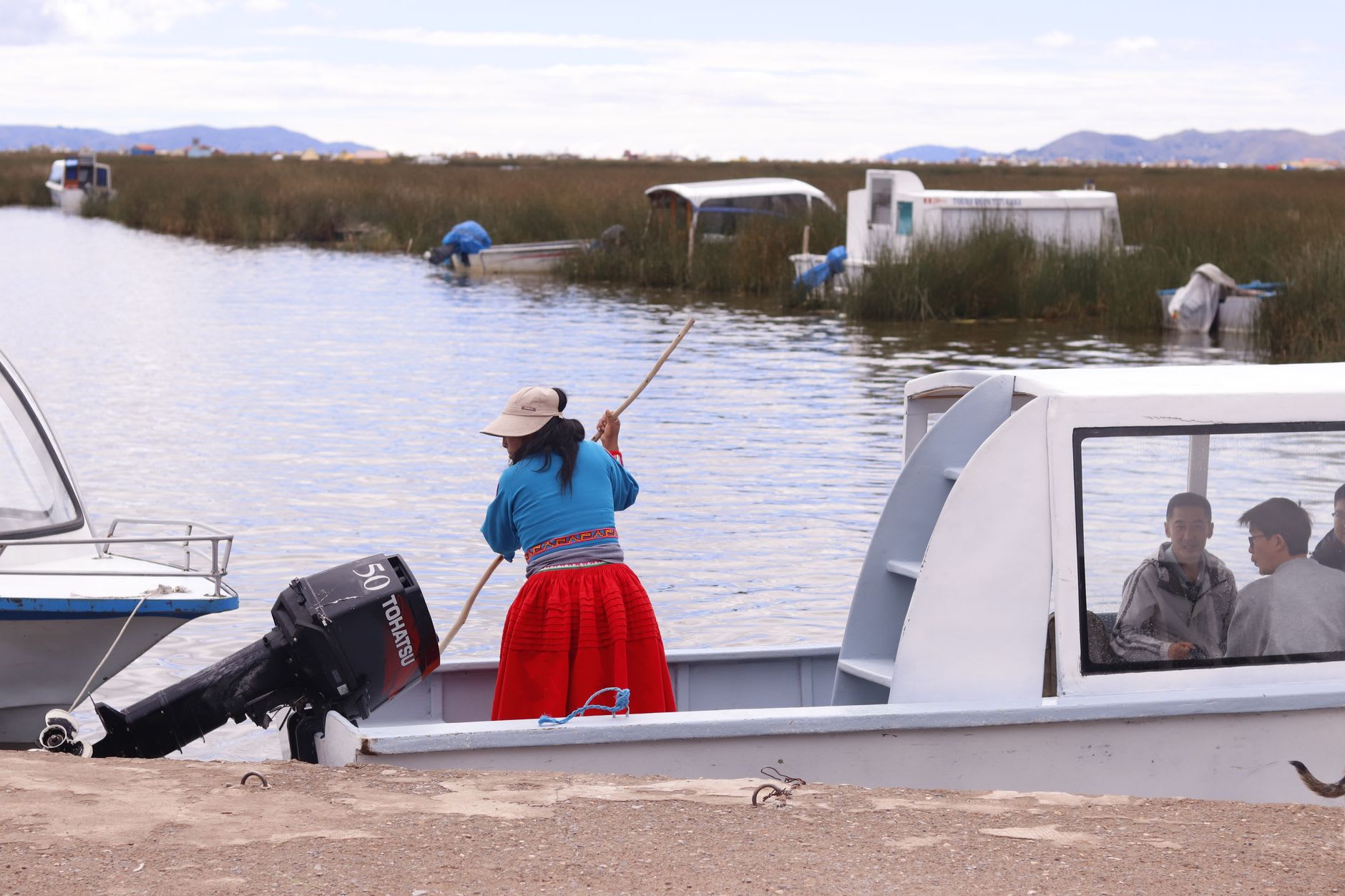
The steps from the dock at Taquile are the island’s first statement. There are five hundred of them, roughly, carved into the hillside and worn smooth by generations of feet, and by the time you reach the summit plaza your lungs are reminding you that you are at four thousand metres. I stopped three times on the way up. Nobody else seemed to. An old man in a red and white chulo passed me on the left, fingers moving on a half-finished textile, unhurried, not even slightly out of breath.
Taquile is different from the Uros islands in almost every measurable way. There is no floating ground here, no theatrical demonstration of ancient techniques. What there is instead is a community that has been weaving and knitting for centuries and sees no particular reason to stop, or to perform the fact. The island has no cars because there are no roads. There is no reliable Wi-Fi. The few guesthouses are basic in the way that means clean, quiet, and focused on what matters. The men of Taquile knit their distinctive chullo hats and chumpis belts as a daily practice — walking the terraces, talking in doorways, waiting for boats — and the UNESCO recognition of their textile tradition in 2005 changed very little about the actual work.
The main plaza sits at the island’s high point, ringed by low stone walls and a small church painted white and rust-red. From here Bolivia is visible — or rather, the Bolivian Andes are visible, a wall of snow and rock that runs across the southern horizon. On a clear morning the reflection of those mountains sits on the lake surface in a way that makes the whole scene feel slightly unreal, slightly too composed to be accidental. I ate breakfast on the plaza steps: bread from the communal oven, eggs, very good coffee from a thermos. The island was waking up slowly around me.
The food on Taquile is worth making a serious plan around. The cooperative restaurant near the plaza serves trout pulled from the lake within hours of landing on your plate, grilled simply with lemon and served with papas nativas — the dozens of potato varieties native to this part of the Andes, each with a different density and flavour. There is also chuño, freeze-dried potato that has been left outside in the cold and the sun for days until it turns to something between a cork and a cracker. I ate it without expectation and found it quietly extraordinary.
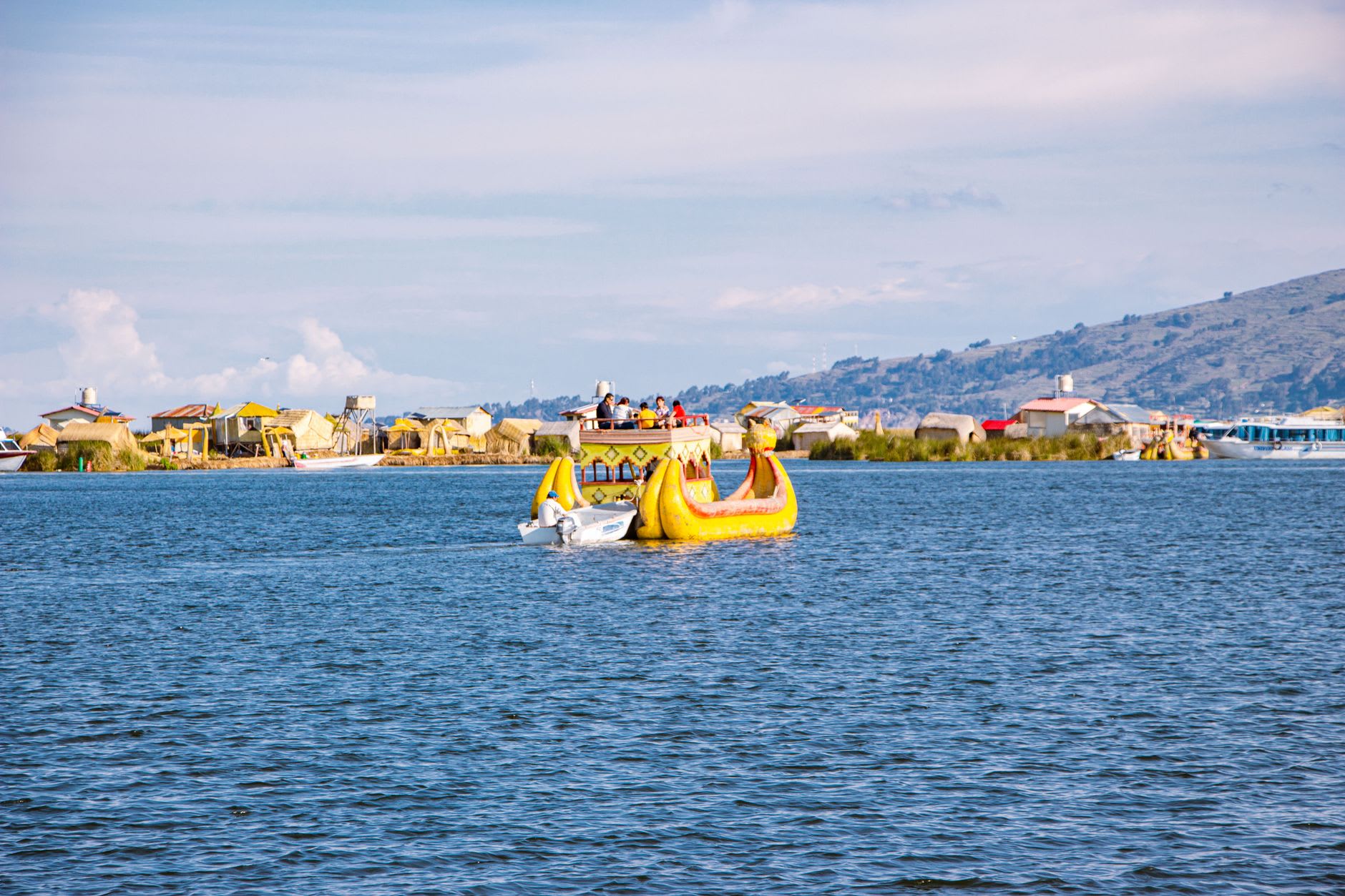
Staying overnight changes the island entirely. The day trippers leave on the afternoon boats and Taquile reverts to itself — the sounds of the lake, distant dogs, the creak of a loom somewhere below. I walked the lower terrace path as the light went sideways and turned the stone walls amber, and understood why the community has resisted certain kinds of tourism so carefully. Some places are better at slow pace.
When to go: June and July are dry, clear, and cold at night — bring more layers than you think you need. The shoulder months of May and September offer thinner crowds and the same sharp light. The annual festival of San Santiago in late July is one of the most vivid on the lake, with traditional dances performed in the plaza. Avoid February’s rainy season when the boat crossings become choppy and the paths muddy.