Sillustani
"Nobody builds tombs that tall unless the dead matter considerably — these towers are an argument, not just a memorial."
The road from Puno to Sillustani takes you across twenty-five kilometres of open altiplano, through a landscape so flat and grass-coloured and under such an enormous sky that the scale stops registering after a while. Then the site appears on a blunt peninsula jutting into Laguna Umayo: a cluster of cylindrical stone towers, some of them standing over twelve metres high, some collapsed to their foundations, arranged along the ridge as if a committee had been consulted about placement. I got out of the taxi and stood in the wind for a minute before remembering to move.
The chullpas — the funerary towers of the Colla people, built between roughly 1200 and 1450 CE — are more formally impressive than their photographs suggest. The photos tend to show them against the sky, which gives them a certain elegance. Standing below them, what you notice is the engineering: each tower is slightly tapered, wider at the top than the base, a counterintuitive shape that distributes weight outward and has kept some of these structures standing for six centuries without mortar. The stones are fitted with a precision that runs to fractions of a centimetre. The door of each tomb faces east, toward the rising sun — the dead, in Colla cosmology, needed to see it.
The largest towers here, the so-called “lizard chullpa” and the “tower of the incompleto,” were almost certainly unfinished when the Inca conquest of the Colla interrupted construction around 1450. You can see, on the unfinished sections, how the builders worked — dragging enormous carved blocks into place with a combination of earthen ramps and an organizational intelligence that modern engineers have written papers about. The ramp debris is still visible beside the incomplete tower, left exactly where it was when someone put down their tools and didn’t come back.
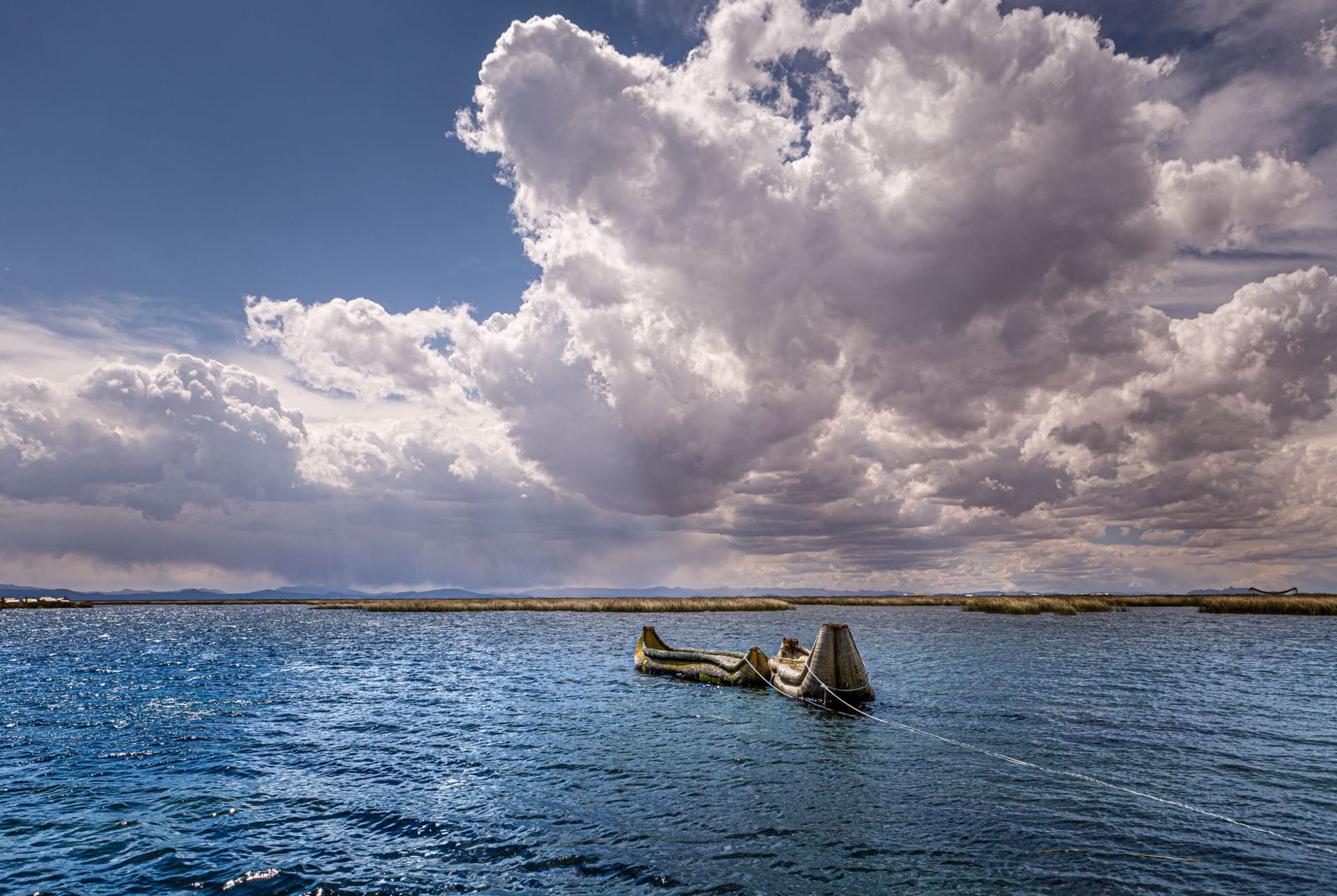
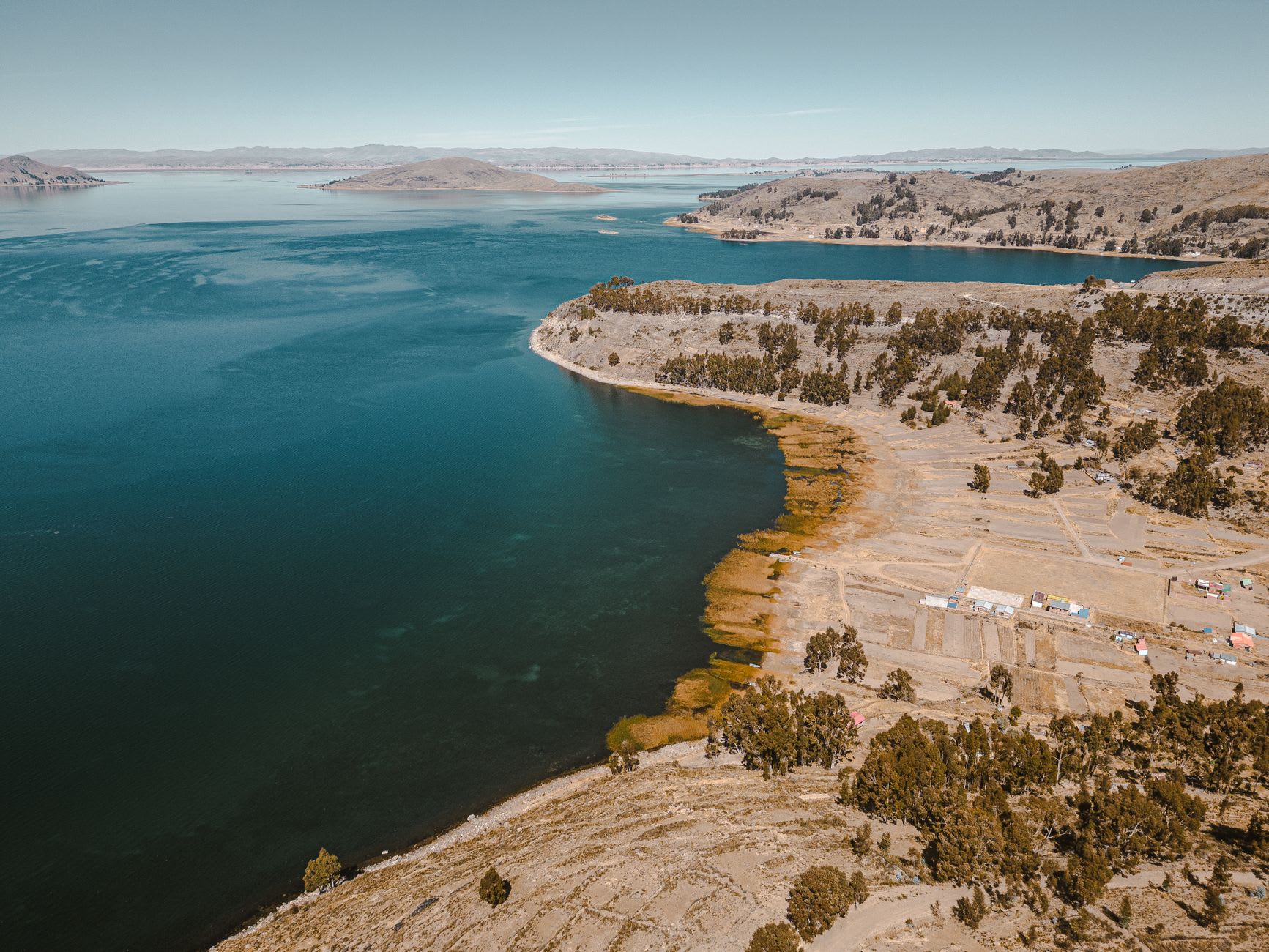
The setting matters as much as the towers themselves. Laguna Umayo below is smaller than Titicaca and bluer — a still, bright sheet of water with a pair of Andean flamingos that seemed unmoved by tourist attention. The Titicaca basin is visible in the distance, and on a clear day the Bolivian cordillera runs along the southern horizon. At sunset, the light goes amber on the chullpas and the whole site takes on a quality of being lit from inside that no photograph I’ve taken has managed to convey.
A small community at the base of the site sells textiles and food, and the women there have a sideline in telling fortunes with coca leaves that operates with an ease suggesting it is entirely unselfconscious. A woman named Marina read my leaves without being asked, in exchange for a small contribution, and told me several things that I cannot verify but that had a quality of specific detail that made me pay attention on the taxi ride back.
When to go: The site is open year-round and is typically done as a half-day trip from Puno — most visitors combine it with the nearby community of Chucuito. Afternoon light is best for photography, with the sun dropping behind the western altiplano and the towers catching the last long rays. The rainy months of December through February don’t damage the site but make the access road muddy and the drive slow.