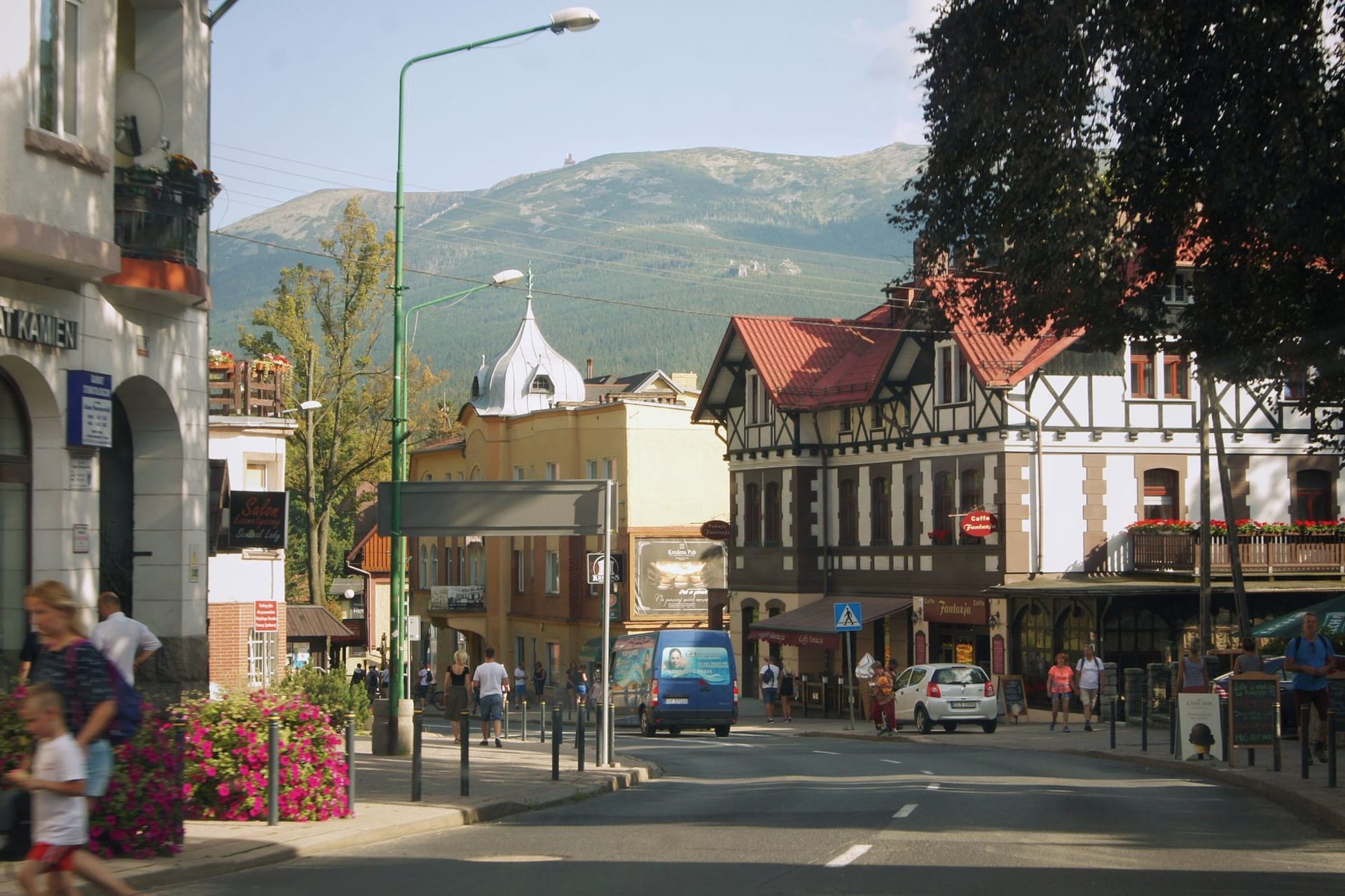
Keswick
"Every morning in Keswick someone is lacing up boots in a doorway and deciding which mountain to give their day to."
I arrived in Keswick on a Saturday, which meant the market was running in Moot Hall Square, which meant there was local cheese. Not supermarket cheese, not artisan cheese performing its artisanness for an Instagram audience — proper Cumbrian farmhouse cheese, the kind that comes in waxed cloth and smells like a stone dairy. I bought two pieces from a woman who told me which farm each came from, and then I walked down to Derwentwater with the cheese in my bag and ate it sitting on a flat rock above the water’s edge while Skiddaw caught the morning cloud behind me. This is essentially Keswick at its best.
Keswick is the northern hub of the Lake District and the largest town in this part of the national park. It has the functional character of a place that has been servicing walkers, climbers and general fell enthusiasts for long enough to have stopped being self-conscious about it. The outdoor gear shops are extraordinary — Cotswold, George Fisher, several independents — and George Fisher in particular has been on Borrowdale Road since 1957 and carries the kind of staff knowledge that saves lives in bad weather. You can walk in with a vague plan to do Helvellyn and walk out an hour later with a proper route, the right map, and a much better understanding of what Striding Edge involves in November.

The town has a peculiar footnote in industrial history: graphite was discovered here in Borrowdale in the sixteenth century, and the world’s first pencil factory opened in Keswick. The Pencil Museum on Southey Works is one of those places that sounds like a joke until you actually go in, and then you discover that graphite smuggling was a genuine crime in Tudor England, that the Keswick graphite was unique in the world for its purity, and that the town’s connection to drawing and writing has been continuous for over four hundred years. The museum holds the world’s longest coloured pencil and the world’s largest pencil. I do not know why this delights me as much as it does, but it genuinely does.
Derwentwater, the lake just south of town, is more intimate than Windermere — smaller, surrounded closely by fells, with islands you can row to. The National Trust launches from the landing stages behind the market square offer frequent ferry stops around the lake, and the combination of Catbells on the western shore — a fell low enough to be genuinely accessible but high enough for proper views — with the ferry makes for a perfect half-day circuit. Catbells from the ferry landing at Hawse End is about forty-five minutes to the summit. The view from the top looks straight down the length of Derwentwater towards Borrowdale, with the Scafell range just visible on the horizon.

The pubs are good. The Dog and Gun does real ale and Herdwick lamb burgers and fills up by six with walkers who have come down off Skiddaw. The Square Orange is a pizzeria in a converted pub that pours interesting wine alongside its pizzas, which is not something you expect in a Cumbrian market town but is very welcome after two days of pie. The Saturday market, the lake, the mountains above — Keswick has assembled these elements with such apparent ease that it takes a moment to appreciate how genuinely pleasant it all is.
When to go: June through August for long light and the fells at their most accessible. October for the market and the autumn colour on the fellsides. The New Year’s Day walk up Skiddaw is a local tradition — hundreds of people, headlamps and thermoses, watching dawn from the summit — which is either wonderful or terrible depending entirely on how much you had to drink the night before.