Europe
Lake District
"I came for a weekend walk and stayed three days because the fells refused to let me go."
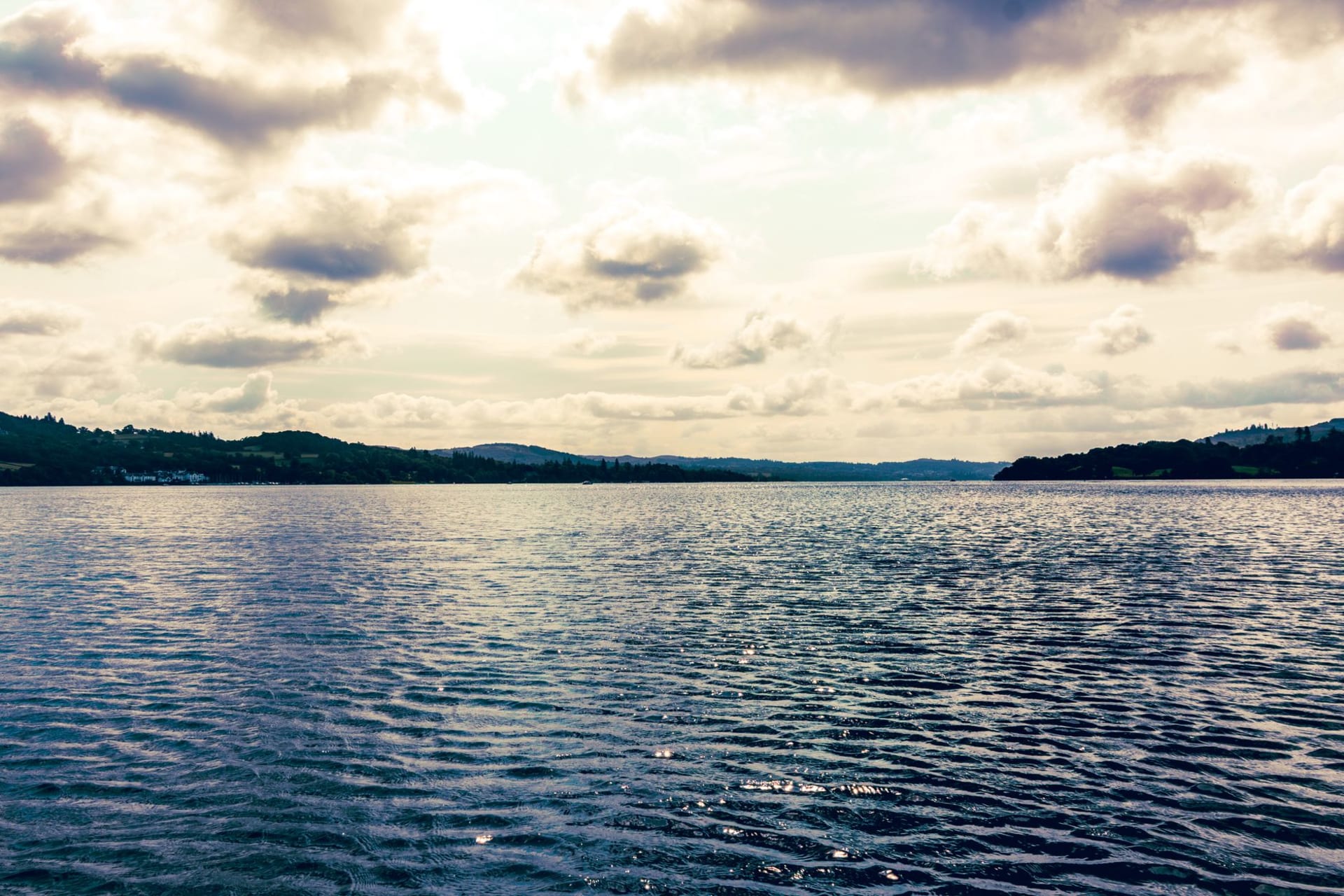
I arrived in Ambleside on a Tuesday in October, which is either the worst or best time to visit the Lake District depending on what you are looking for. The tourists were mostly gone. The fells were doing something I can only describe as brooding — low cloud catching on the ridge lines above Loughrigg, the bracken gone rust-orange, Windermere completely flat and silver below. I ate a Herdwick lamb hotpot at a pub that had been serving walkers for a hundred and fifty years and felt immediately that this place had absolutely no interest in being fashionable. It was too busy being ancient.
The Lake District is not subtle. It announces itself the moment you come over the A591 from Kendal and the valley opens up below you — water and fells and dry-stone walls running up impossible gradients and slate villages that look like they grew out of the rock rather than were built on it. Grasmere has the cottage where Wordsworth actually lived, which you can visit, though the gingerbread shop next door may be the better literary experience. Hawkshead is medieval and cobbled and perfectly preserved. Borrowdale, tucked below the Scafells, is the kind of valley that makes you reconsider your life choices — specifically the choice not to be a shepherd in Cumbria in 1780. The hardest decision every morning is which fell to climb: Catbells above Derwentwater, Great Gable, Helvellyn from Patterdale. Helvellyn via Striding Edge in good visibility is one of the most dramatic ridges in England, a genuine scramble above two corries that drops straight to Red Tarn.
The food has improved beyond recognition from what England used to offer. Staveley has a good microbrewery. Keswick has a Saturday market with exceptional local cheese. The farmhouse B&Bs serve breakfasts with eggs from the garden and black pudding that would make a Frenchman reconsider his loyalties. After a day walking twelve miles through rain and shine and rain again — which is the default Lake District weather — this matters enormously.
When to go: May and June for wildflowers on the fells and long evenings. September and October for the bracken colors and emptier paths. Avoid the August school holiday peak unless you enjoy queuing for car parks in Grasmere. Winter walking above the snowline, if you have the kit for it, is extraordinary.
What most guides get wrong: They treat the Lake District as a scenic backdrop for gentle strolls. The real landscape is vertical — you have to go up to understand it. The views from the valley floor are lovely; the views from the summit of Scafell Pike, the highest point in England, are a different category of experience entirely. Rent proper boots, get a paper map, and go higher than feels reasonable. That is where the Lakes reveals itself.