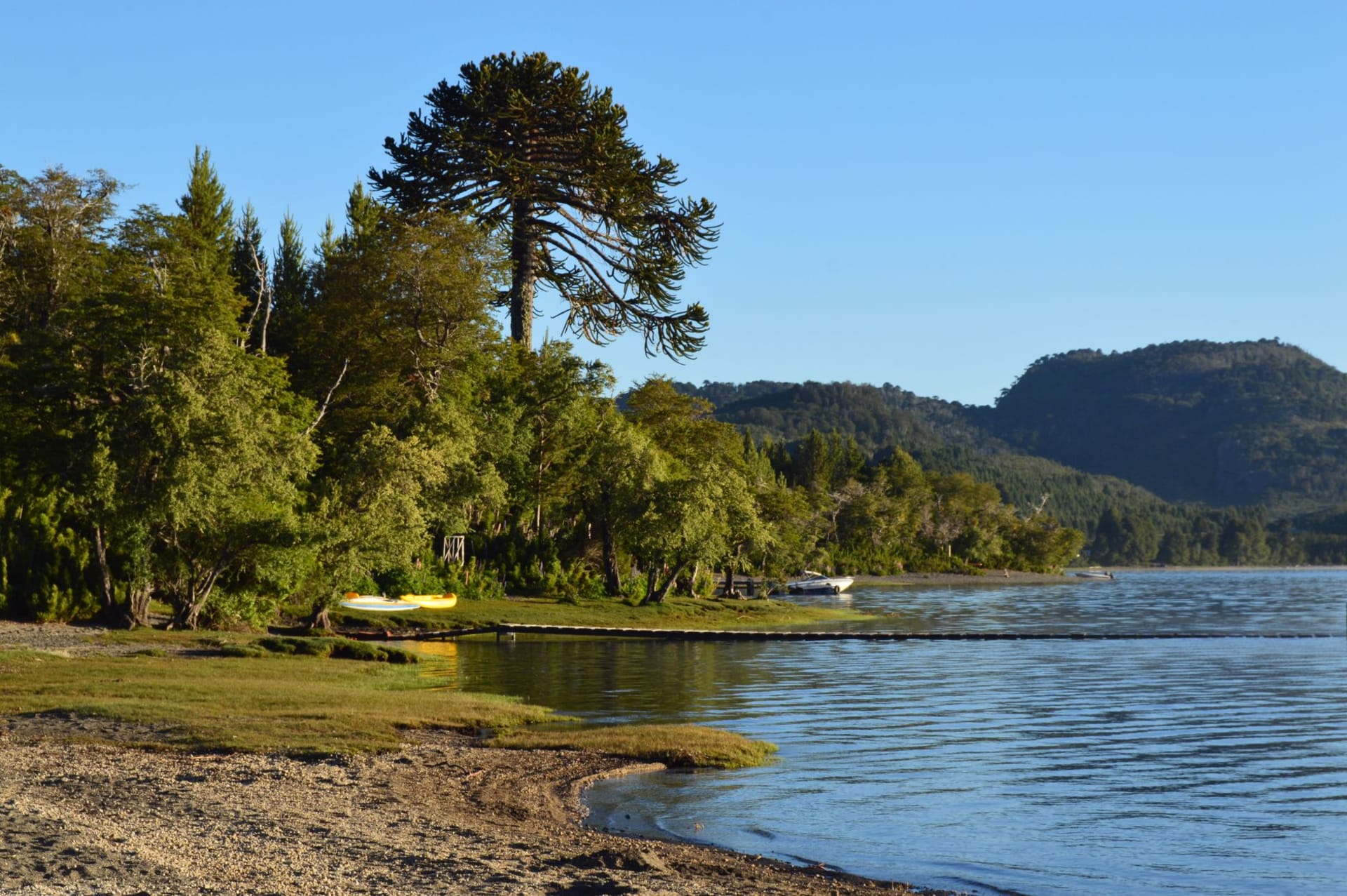
I took the local bus from Pucón in the late afternoon, which takes twenty minutes and costs almost nothing and deposits you in a town that feels, immediately, like the version of this lake you were not expecting to find. The main square of Villarrica has a fountain and shade trees and old men on benches who are not performing anything for anyone. There is a covered market two blocks east where women sell murta berries and dried mushrooms and hand-woven mantas in the warm earth tones of Mapuche textiles, and the smell inside is of damp wool and woodsmoke and dried herbs. I bought a jar of merkén — the smoky Mapuche spice blend made from dried ají rojo and toasted coriander — and stood there smelling the inside of the lid like someone who has run out of words.
Villarrica the town existed long before Pucón became a phenomenon. It was founded in 1552 and destroyed and rebuilt so many times by the Mapuche wars and subsequent conflicts that its history reads less like urban development and more like a long argument about who the land belongs to. The Mapuche resistance was fiercest in this territory and the town wears that history, however lightly, in the way its cultural center runs language revitalization programs and the ceramic work in the craft shops carries symbols that are not decorative — they are communicating something specific to people who can read them.
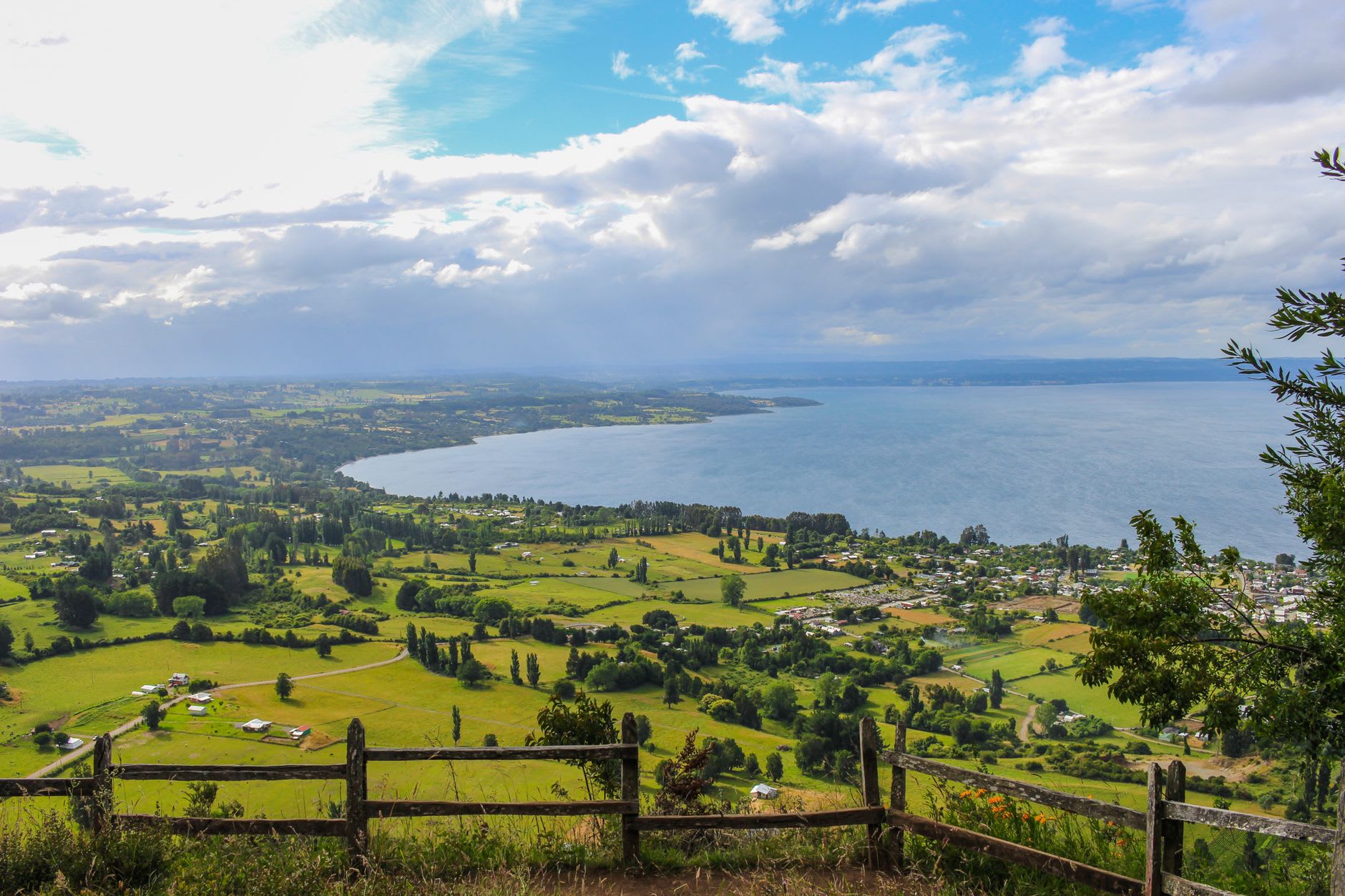
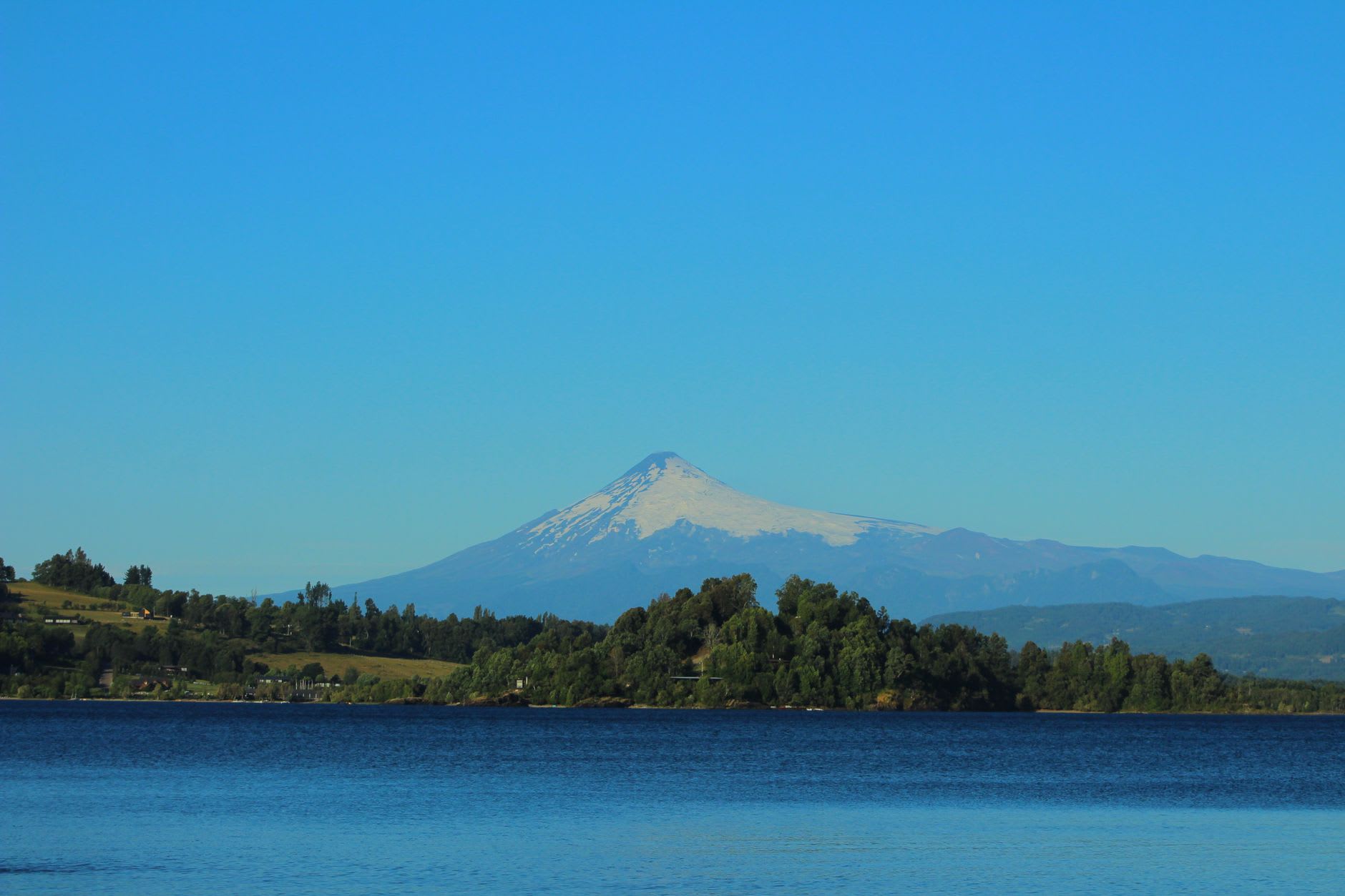
The waterfront is the thing that the travel industry has not yet fully processed. The pier at Villarrica reaches out into the lake on old wooden piles and the fishing boats moor beside it in the late afternoon smelling of the day’s catch — trout, mostly, and pejerrey, the small silverside fish that the lake produces in abundance. From the pier you see the volcano from the south end, which gives you a different angle than Pucón: here it is slightly more distant, slightly more asymmetrical, the plume of smoke more visible against the sky. A bakery one block from the waterfront opens at six in the morning and serves café con piernas in the old Chilean style — standing at a zinc counter, drinking fast, not lingering — and the empanadas of cheese and olive are the best I found anywhere around the lake.
There is a longer street market on Saturdays that takes over the blocks around the square and draws vendors from the surrounding countryside: farmers with sacks of potatoes and garlic braids and honey in unlabeled jars, weavers with their back-strap looms actually running while they talk, an elderly man with extraordinary carved wooden spoons that he has been making for fifty years and who charges almost nothing for them because he cannot understand why anyone would charge more. I spent three hours there and missed a bus because I was listening to a woman explain the significance of a particular design element in a blanket she was selling, and I understood about one word in four, but the telling was completely clear.
The absence of the Pucón infrastructure — no abseiling emporiums, no Instagrammable pizza restaurants, no agencies promising helicopter adventures — is not a deficit here. It is the content. Villarrica is a town that assumes you have your own reasons for being there and does not generate a reasons-to-be-here industry in response. I found that restful in a way I had not expected.
When to go: Any time between October and April suits the town well, but November and March-April have the best combination of reasonable weather and a local atmosphere that summer peak season somewhat dilutes. The Saturday market runs year-round and is the single best reason to plan your schedule around a weekend.