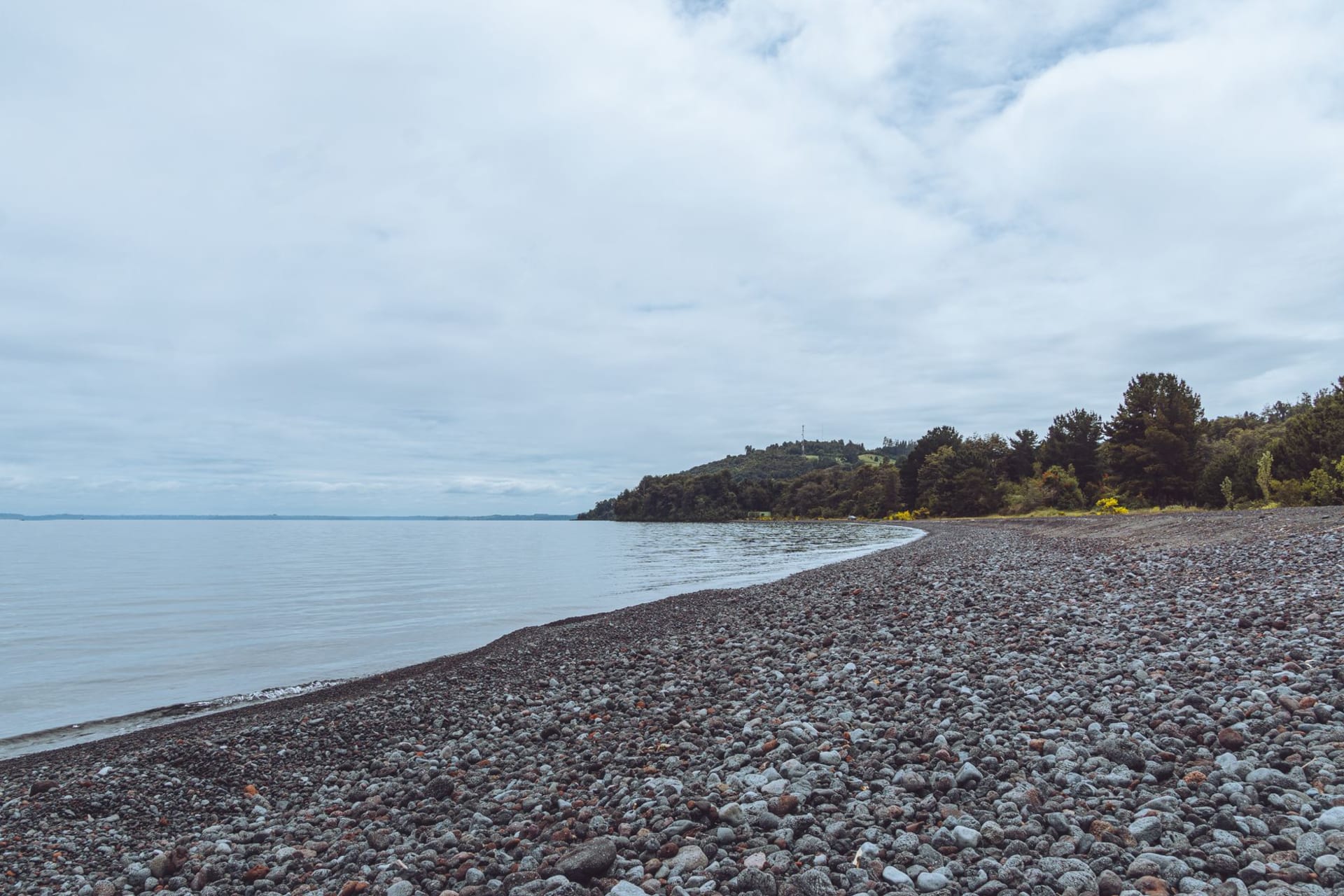
Petrohué
"The water at Petrohué is a color I don't have a name for and I studied French, which has a word for everything."
I heard it before I saw it. The road from Puerto Varas runs east through farmland — Holstein cattle grazing on impossibly green pastures, the occasional wooden farmhouse painted red — and then the sound reaches you through the open car window: a deep, sustained rushing that builds for a kilometre before you arrive. Then you park on the gravel and walk fifty metres through native myrtle and you are standing above the rapids of the Río Petrohué, staring at water that is a shade of blue-green that has no honest equivalent in any language I speak. The black lava rock beneath it, deposited by an old eruption of Osorno, makes the color more impossible by contrast, and the spray catches the afternoon light and produces miniature rainbows that dissolve before you can point at them.
The rapids are the opening act. What lies beyond them is Lago Todos los Santos, which sits in a bowl of mountains — Osorno to the west with its perfect white cone, Puntiagudo to the northeast with its savage jagged peak, the forested slopes of Cerro Tronador barely visible on the Argentine border to the east. The lake is an emerald green so deep it looks like something you would stir, not swim in, and it is so clear that you can see the submerged logs on the bottom in the shallows. I rented a kayak and paddled out to where the water darkened and sat there, with nothing audible except the small sound of my paddle dripping, looking at three volcanoes simultaneously, each of them doing something different with the light.
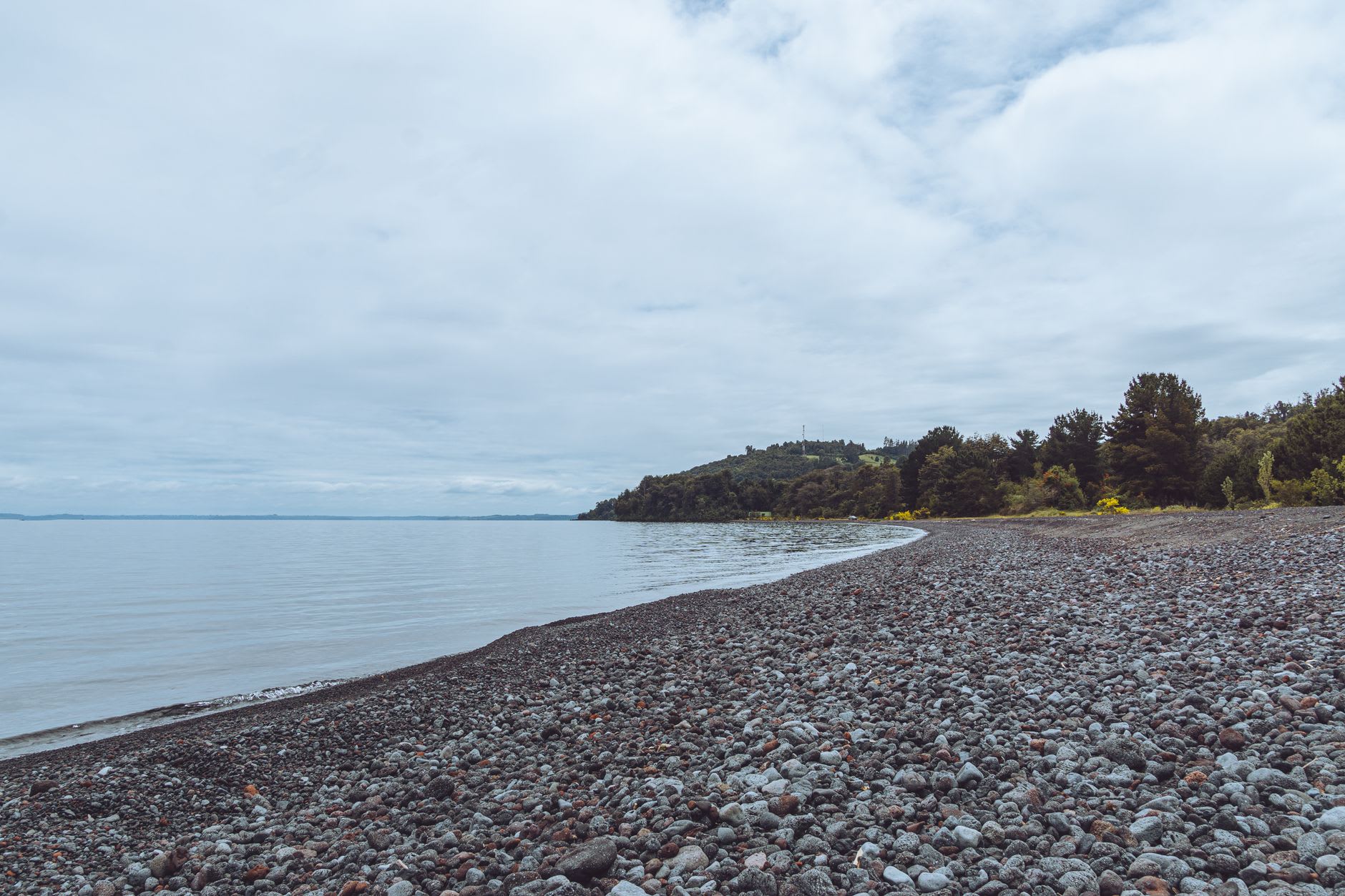
The ferry crossing is the thing I would do again before almost anything else in South America. The boat from Petrohué to Peulla crosses the full length of Todos los Santos — about an hour and a half — and it moves slowly enough that you have time to stand at the stern and watch the western volcanoes shrink behind you while the eastern ones grow ahead. This is the first leg of the traditional crossing to Argentina, the route that continues over the Andes by bus through Paso Pérez Rosales, but I have done it both as part of the crossing and as a round trip purely for the journey itself, and the round trip version might actually be better. There is something to be said for arriving back at Petrohué in the late afternoon with no obligation to be anywhere in Argentina.
The village of Petrohué — a handful of buildings, a small resort, a café with a corrugated iron roof — is not the point. It is the gate. The nearby Saltos del Petrohué, the rapids themselves, can be walked along on a short trail that takes you to different vantage points above the churning water and costs almost nothing to enter. I spent a whole morning there without seeing more than a dozen other people.
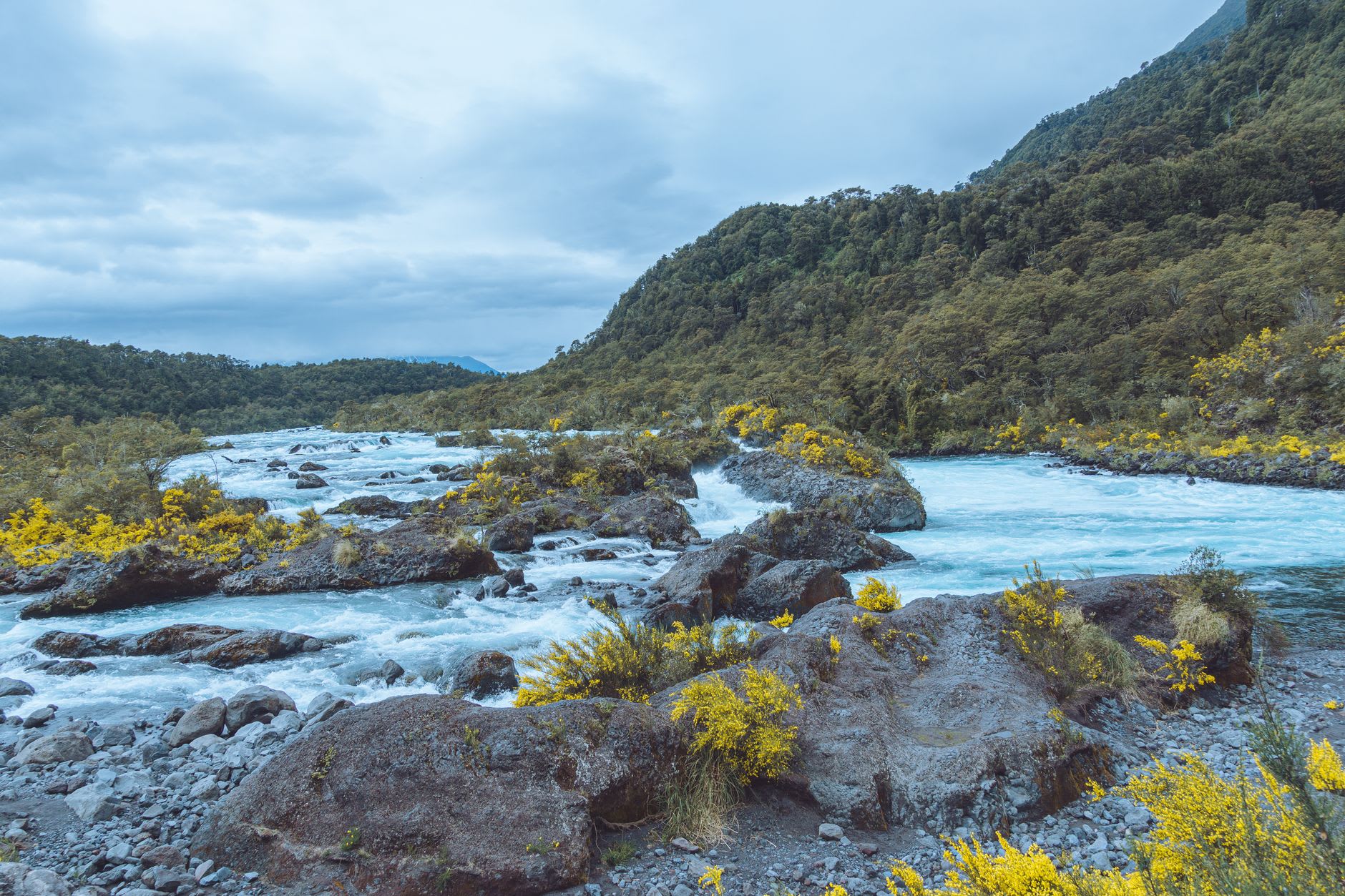
What I keep thinking about is a specific moment: standing at the edge of the trail above the rapids, early morning, mist still sitting in the forested valleys to the south, the water below catching the first sun and going almost incandescent. Behind me, Osorno had just cleared its cloud cap. A pair of Magellanic woodpeckers — red-crested, improbably large — were hammering at a dead coihue trunk twenty metres away. The Lake District has better-known moments, but that particular convergence of water, light, and bird felt like the region’s actual argument.
When to go: November through April for the ferry crossing and good weather. The Saltos del Petrohué are most dramatic after rainfall, which means May through July produces the most spectacular water volumes — the color goes even more intense — though the ferry schedule reduces in winter. Go early in the morning at any time of year to have the rapids to yourself.