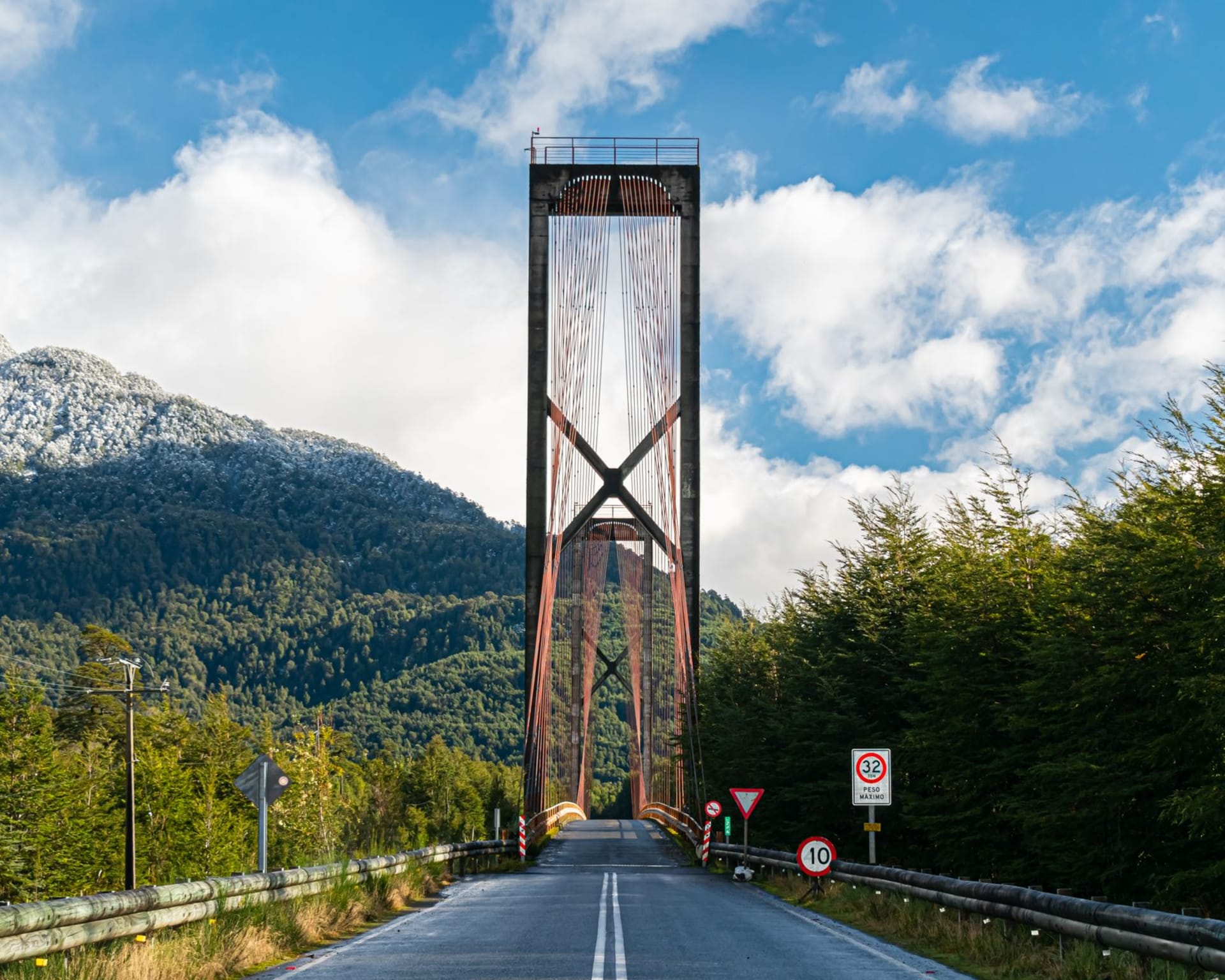
Parque Nacional Huerquehue
"The araucaria pines look exactly like the trees children draw. Standing among them is disorienting in a way I cannot entirely explain."
I left Pucón before six in the morning to have the park to myself, and I more or less succeeded. The road up from town climbs through cattle country for the first twenty minutes — the kind of green, damp landscape that produces excellent cheese and keeps European travelers slightly confused about what continent they are on — and then the forest begins. Not the secondary forest of roadsides and clearings, but the original temperate rainforest of southern Chile, the coihue and mañío and the occasional southern beech whose trunks have the circumference of small cars. The entrance to Huerquehue is a ranger station and a trailhead, and at six-fifteen on a Tuesday in November the ranger was still drinking his first coffee and we had a conversation about whether he had seen condors recently, because he had been watching a pair for a month and they came through every few days.
The trail to Lago Tinquilco takes about forty minutes from the entrance, climbing steadily through increasingly dense forest, and then the trees open and the lake is there: a crater lake in the old volcanic caldera, oval and very still and a shade of green that comes from the minerals dissolved in glacial meltwater. The morning mist was still on the water when I arrived, just beginning to lift, and the araucaria pines that ring the upper hillside were emerging from it one by one like something being invented. Araucarias are the oldest surviving genus of trees that exist in this forest — they are between 150 and 1,000 years old — and they look it. They look like the Jurassic period decided to leave a sample. The branches are horizontal and the silhouette is so geometrically precise that you keep thinking someone must be responsible.
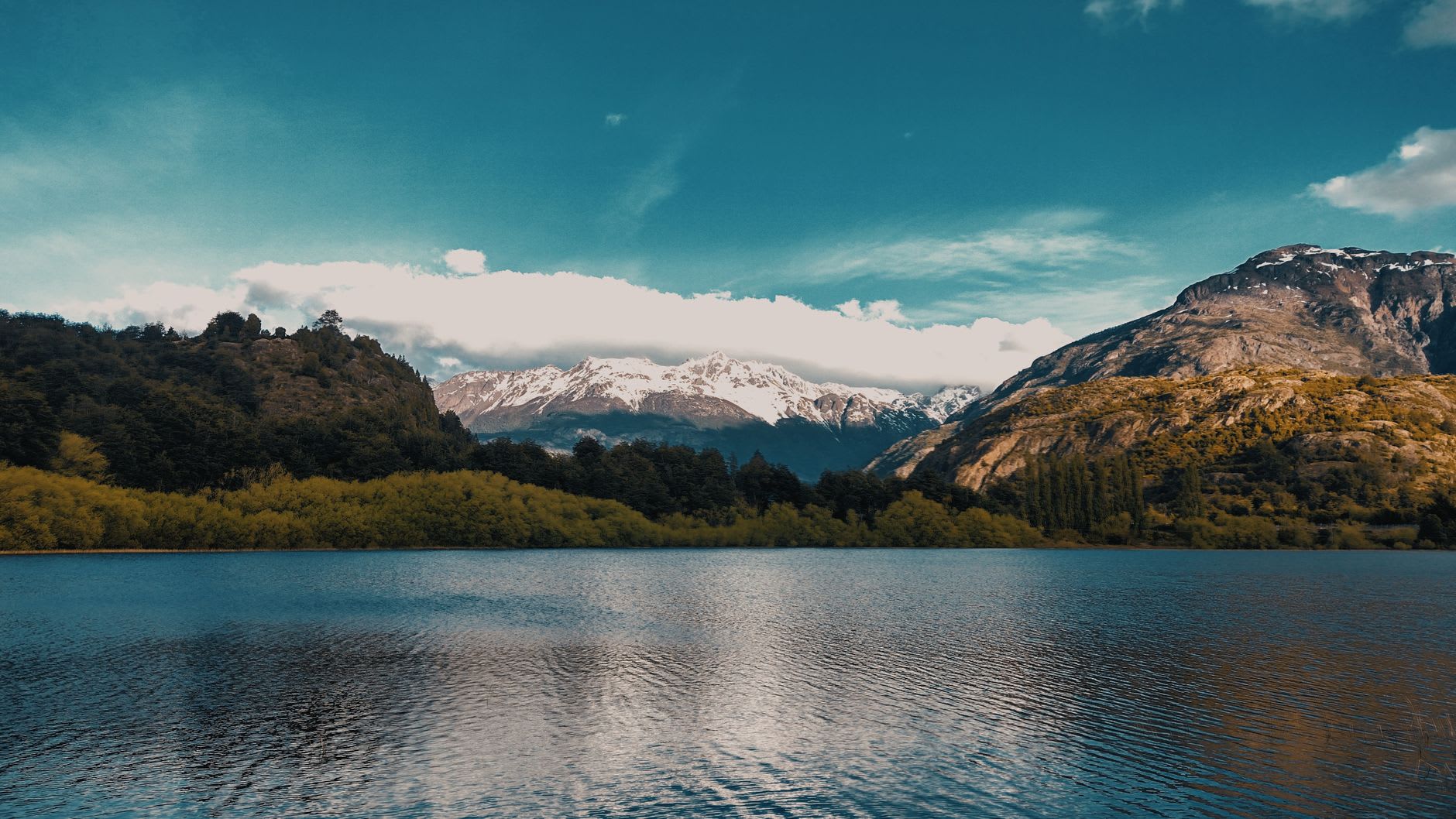
The full circuit connects three lakes — Tinquilco, Verde, and Chico — with a loop of about twelve kilometres that takes four to five hours and climbs to a ridge with views of Villarrica volcano on one side and the densely forested interior of the Andes on the other. I had not expected the views to be this extensive; I had thought it would be a forest walk, and it is also a forest walk, but at the high point you realize you are on a ridge between two entirely different worlds: the lake and tourist infrastructure of the Pucón basin to the west, and the uninterrupted wilderness of the Andean interior stretching east into Argentina. A condor — just one, but enormous, the wingspan making a sound as it banked — passed directly overhead on a thermal at about eleven in the morning.
The forest itself demands the same attention as the lakes. The southern temperate rainforest has a quality of density and accumulation that the northern boreal forests I know do not: everything is growing on top of everything else, the lichen on the coihue trunks is thick as felt, the undergrowth includes ferns with fronds a metre long, and the light that comes through is green in a way that makes the word green seem insufficient. There are birds everywhere — Magellanic woodpeckers again, chucaos calling from deep in the brush without ever appearing, the occasional bright red of a Chilean flicker — and the soundscape is so layered that silence is probably not the right word for what you experience standing still in it.
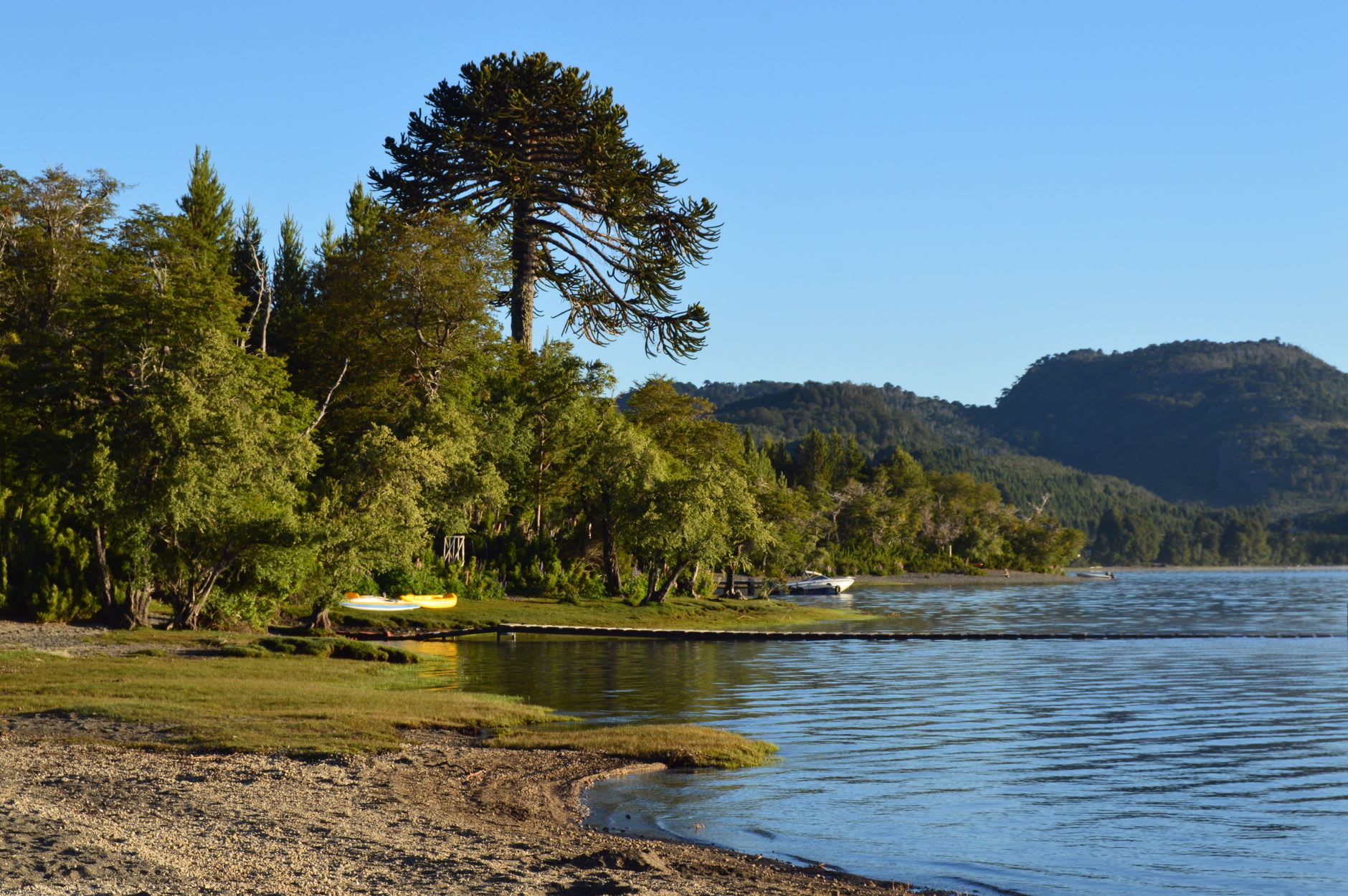
There is no accommodation inside the park, but the camping is allowed at designated spots near Lago Tinquilco, and staying overnight changes the experience entirely: the evening light on the araucarias is different from the morning light, the nocturnal sounds of the forest are different from the daytime sounds, and waking up at the lake with no other campers in November is one of the quieter privileges this region offers.
When to go: November through March for reliable trail conditions and the full twelve-kilometre circuit. The trails can be muddy and some sections closed in winter (June through August). April is excellent — the deciduous elements of the forest turn color and the araucarias are still green against the amber beeches, and the park is completely uncrowded. Start as early as possible whatever time of year to have the first lake arrival to yourself.