Curarrehue
"Forty minutes from Pucón and it feels like a different country — which, in a sense, it is."
A Mapuche-Pehuenche town on the road to Argentina where the food, the crafts, and the mountains all carry more weight than in flashier Pucón nearby.
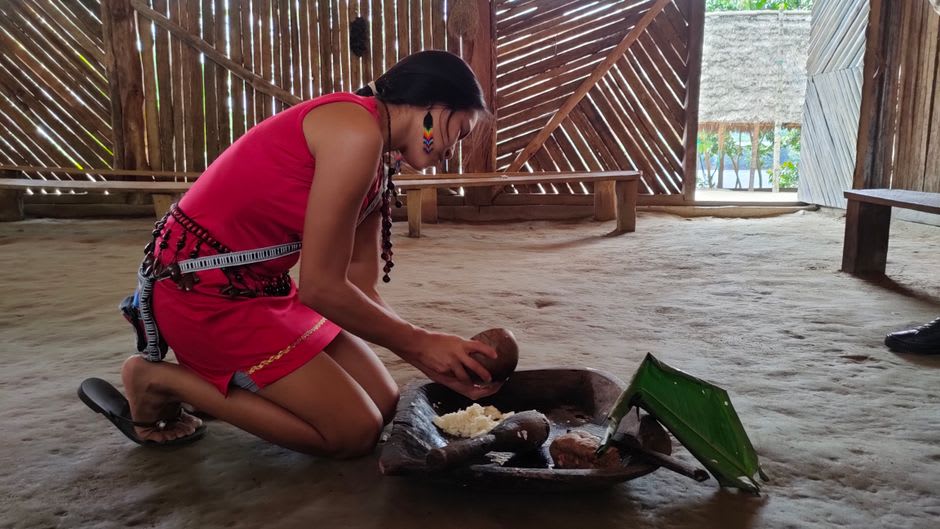
Everyone who visits Pucón drives past Curarrehue at some point, usually on the way to the Mamuil Malal pass into Argentina, and almost nobody stops. I did, on a recommendation from a guide in Pucón who’d gotten tired of watching visitors miss the more interesting town forty minutes down the road. Curarrehue sits in a valley thick with Mapuche and Pehuenche communities, and it wears that identity plainly — the ruka-style community center, the Trawupeyün cultural space where women prepare traditional dishes for visitors, the roadside stands selling piñones, the pine nuts of the araucaria tree that has fed communities here for centuries.
I ate lunch at Trawupeyün, a long wooden table shared with strangers, plates of catuto and mote con huesillo that a Mapuche cook explained to me piece by piece without a hint of the performative tone that “cultural tourism” usually implies. It felt, simply, like being fed well by someone proud of what she was feeding me. Afterward I wandered the town’s small artisan market, where the weavings and the carved wood came without price tags inflated for the tour-bus crowd, because the tour buses mostly don’t come here.
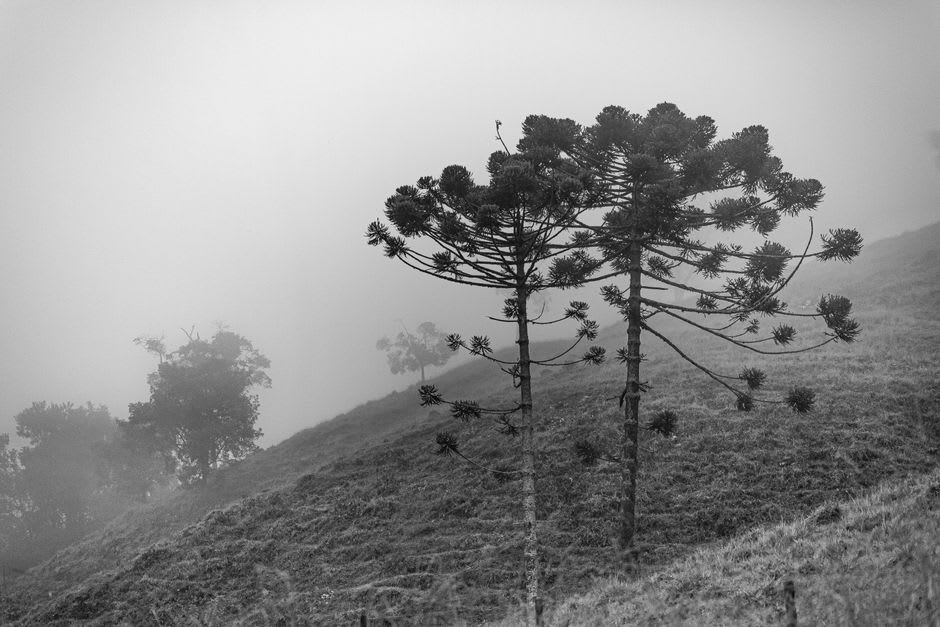
The real payoff, though, is what lies beyond the town: the road climbs from Curarrehue toward Argentina through the Quetrupillán sector of Parque Nacional Villarrica, a quieter, less-trekked approach to the same volcanic landscapes that draw crowds around Pucón, with araucaria forest that gets denser and older the higher you climb. I hiked a few hours up one of the trailheads near town and didn’t see another person, just condors working the thermals above the ridgeline and, somewhere behind the cloud, the shape of Volcán Quetrupillán refusing to fully reveal itself.
When to go: November through March for hiking the Quetrupillán trails and clear mountain passes. The Mapuche new year festival, We Tripantu, falls around the winter solstice in late June and is worth timing a visit around if you can arrange it respectfully through a local guide.