Circum-Baikal Railway
"The train comes out of the tunnel and the whole lake is suddenly there, a hundred meters below, so blue it seems lit from underneath."
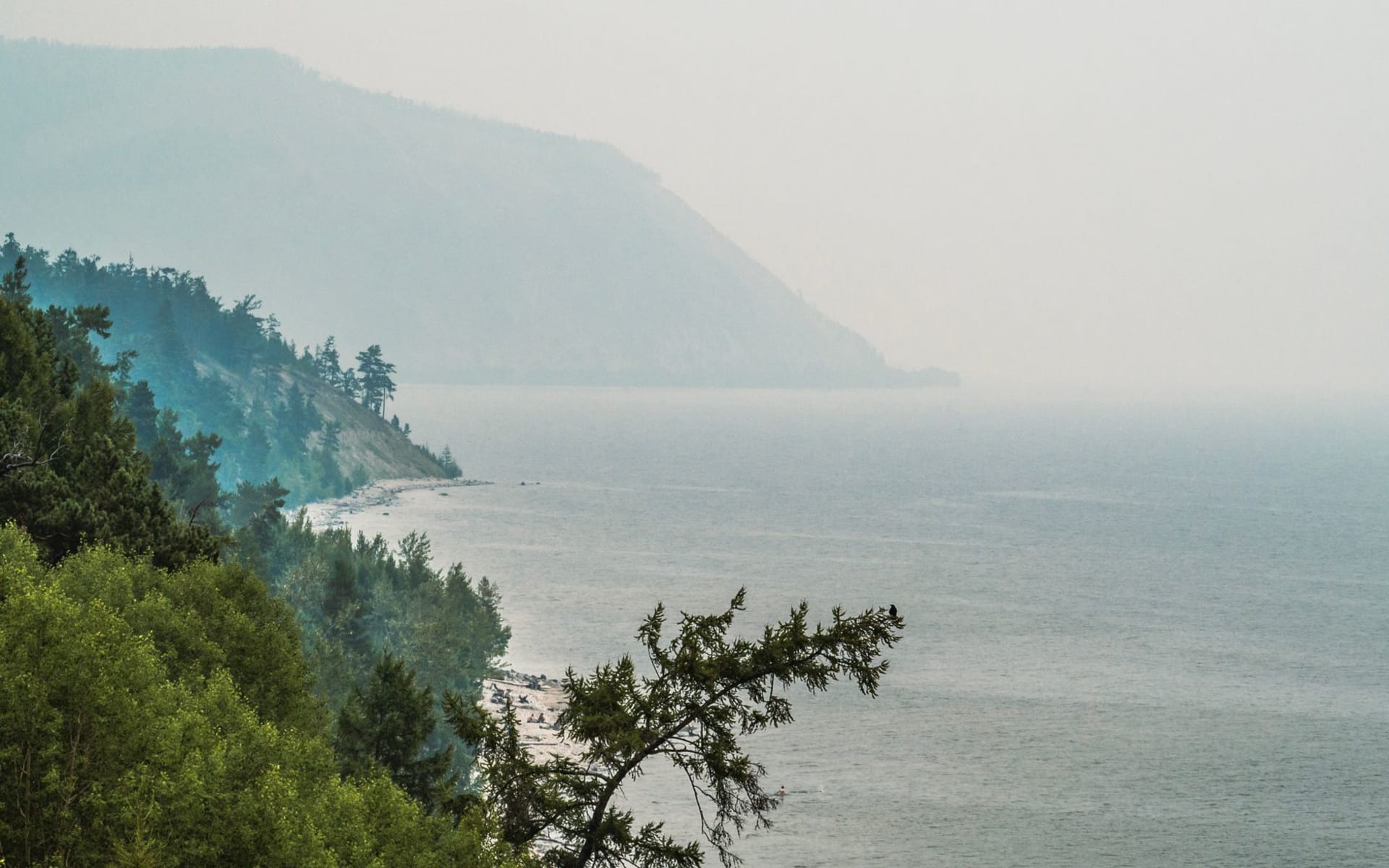
The train departs Slyudyanka on a schedule that feels more like a suggestion than a commitment. The single-car local rattles out of the stone station, rounds a cliff, and then Lake Baikal appears on the right side of the carriage — not gradually, not through a veil of trees, but all at once and completely, like a curtain being pulled. It is, as the Russians say, suddenly. You are on a narrow shelf of rock between the cliff face and the water’s edge, and there is nothing between you and that impossible blue except a few meters of ballast and, presumably, the faith of the engineers who built this thing in 1905.
The Circum-Baikal Railway is one of those projects that sounds like hyperbole until you are actually on it. Thirty-nine tunnels. Fourteen stone viaducts. Forty-seven galleries carved into cliff faces to protect the track from avalanche and rockfall. Two hundred kilometers of lake shoreline that has no road access at all — the only way to reach it is by boat or by this train. In its day it was the most expensive stretch of railway in the Russian Empire, costing more per kilometer than almost any other construction project in the country’s history. The Tsar wanted a line completed, and the engineers delivered one that required drilling through the equivalent of a small mountain range to do so.
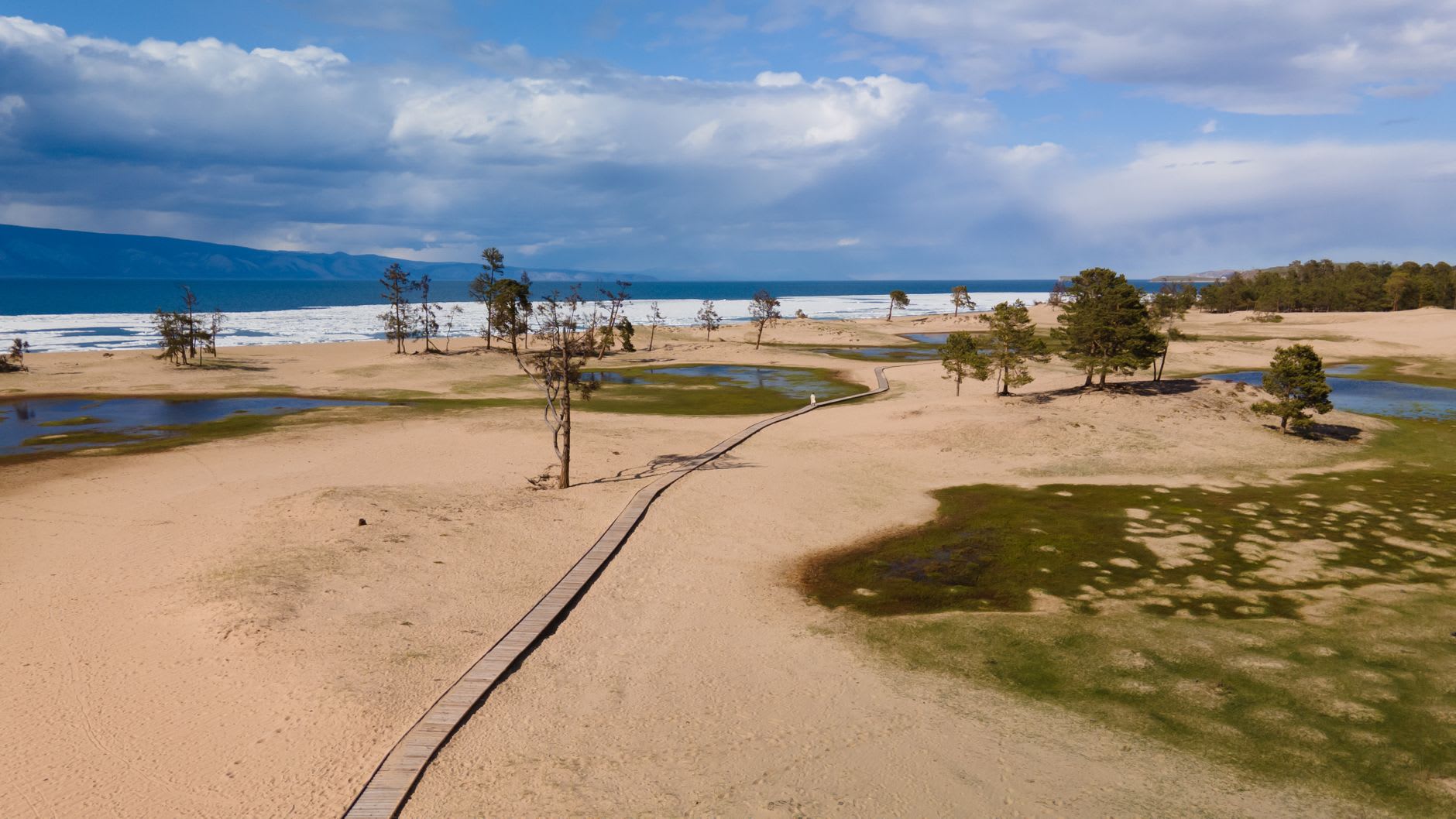
Riding it slow is the only way to ride it. The local train stops at tiny stations that have no roads connecting them to anywhere else — platforms serving communities of five or ten people who have chosen to live beside the railway because the railway is the only connection they have. At Polovinnaya, two women boarded with bags full of dried mushrooms and spent the journey arguing companionably about something I couldn’t follow. At Port Baikal, the line’s western terminus, a man waited on the platform with a dog on a rope and waved at the train with the casual familiarity of someone who has watched it arrive every day for years.
The tunnels are where the line reveals its engineering ambition most nakedly. Some are short enough that you barely have time to register darkness before emerging back into light. Others are long and curved, so that the train disappears into mountain entirely and you ride through cool blackness while the sound of the wheels changes pitch against the tunnel walls. Coming back into daylight is always a small event — the lake reappears, sometimes from an unexpected angle, and the light shifts from underground grey to the deep blue of Siberian summer sky.
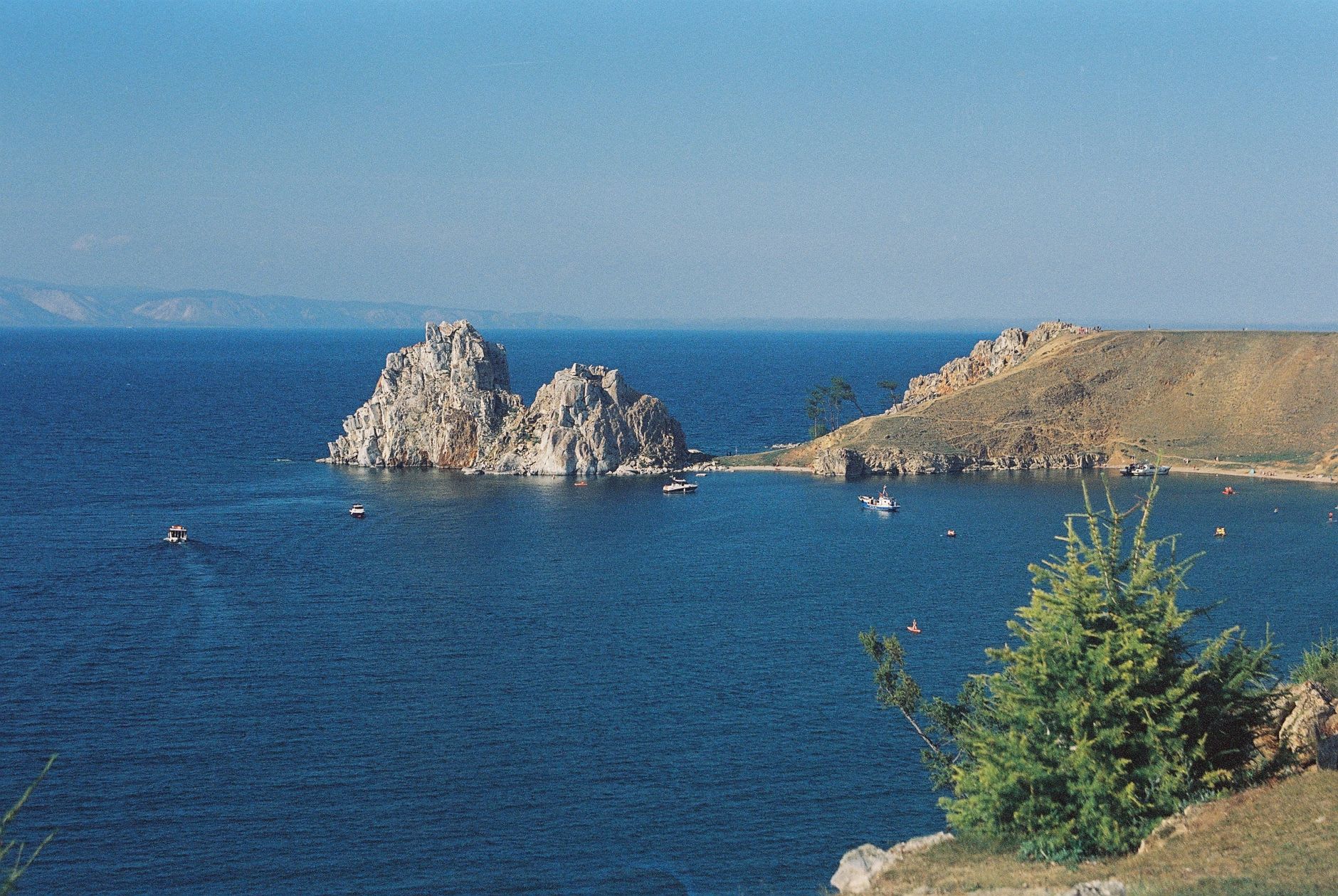
The stretch between Slyudyanka and Port Baikal takes five to seven hours by local train, and the journey does not drag. Every corner of the lake offers a different light, a different relationship between cliff and water, a different degree of wildness. At Angasolka there’s a derelict station building with stone columns and a ruined waiting room, vegetation pushing through the floor. At Shamansky Cape the cliff drops so steeply into the water that the train seems to hover above the surface. I sat at the window the entire journey without once checking my phone.
When to go: June through September for the full experience of open windows and deep blue water. The tourist steam train runs in summer on weekends — atmospheric but crowded. The local slow train runs year-round and is the better choice: longer, less curated, and full of actual people going about their lives. In winter, chunks of ice float along the shore and the scenery acquires a monochrome severity that is beautiful in a completely different way.