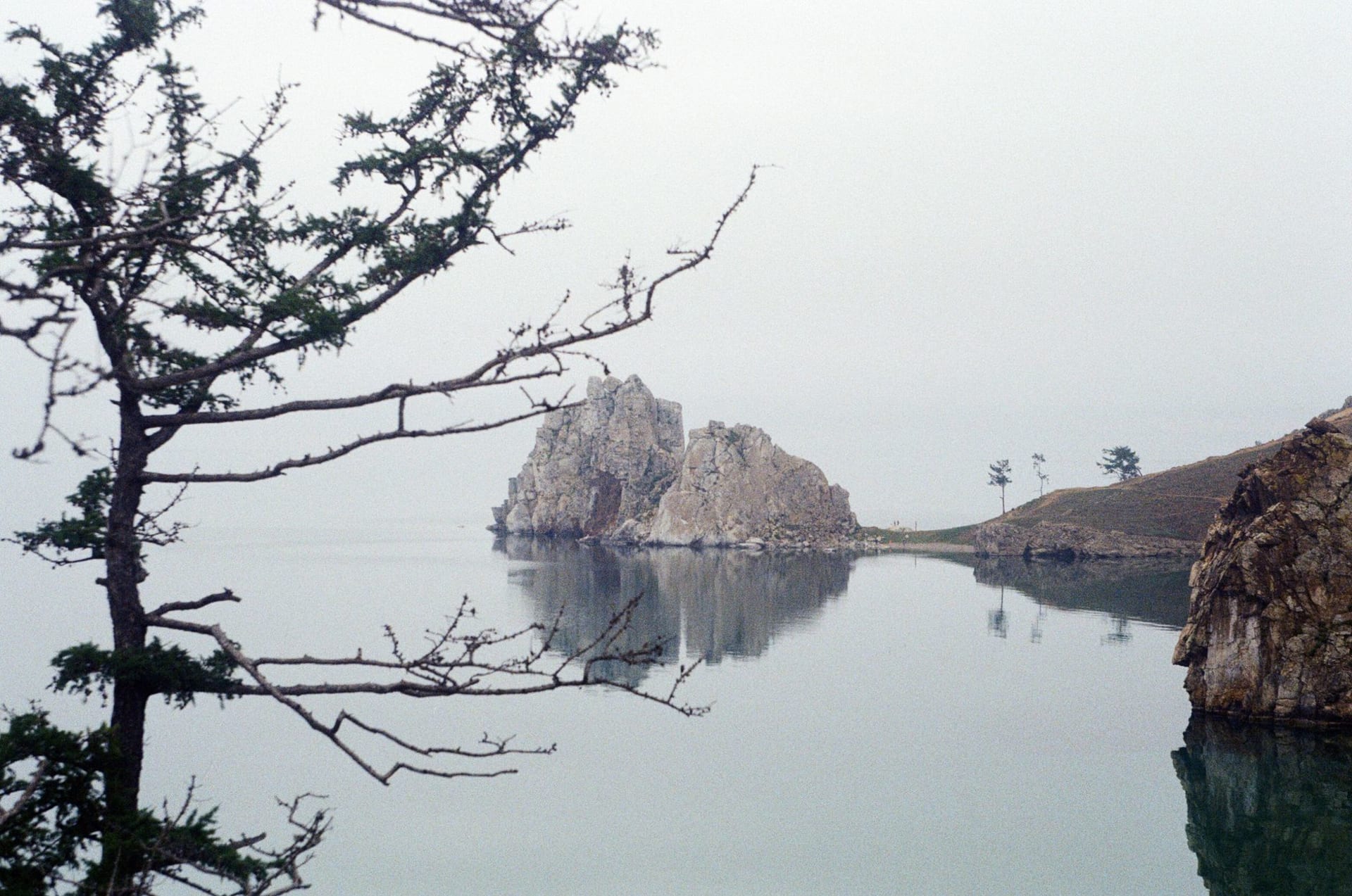
Bolshiye Koty
"There are places that require effort to reach and give nothing extra in return. Bolshiye Koty is not one of those places."
The hydrofoil from Listvyanka takes about forty minutes and drops you at a wooden pier that seems like it has been slowly losing its argument with the lake for decades. Bolshiye Koty sits at the base of a steep hillside where the taiga pushes right up to the water’s edge — pine and birch and the occasional enormous larch, the forest floor invisible under decades of needles and snow. The village has a handful of wooden houses, a biological research station belonging to Irkutsk State University, a small school with about six students, and that particular quality of quietness that only exists in places where sound has nowhere to go but out across open water.
I arrived in July, when the lake was open and the light lasted until ten at night. The pier was empty except for a boy of about twelve who examined my pack with professional interest and then offered to show me the path up to the waterfall for a negotiated sum. I took him up on it. The path climbs sharply through spruce forest, crossing a stream twice on log bridges that wobble meaningfully, and reaches the waterfall in about an hour — a narrow chute of snowmelt water dropping twenty meters into a pool that was, in July, still cold enough to make me gasp. The boy sat on a rock and ate his sandwich while I recovered from the temperature.
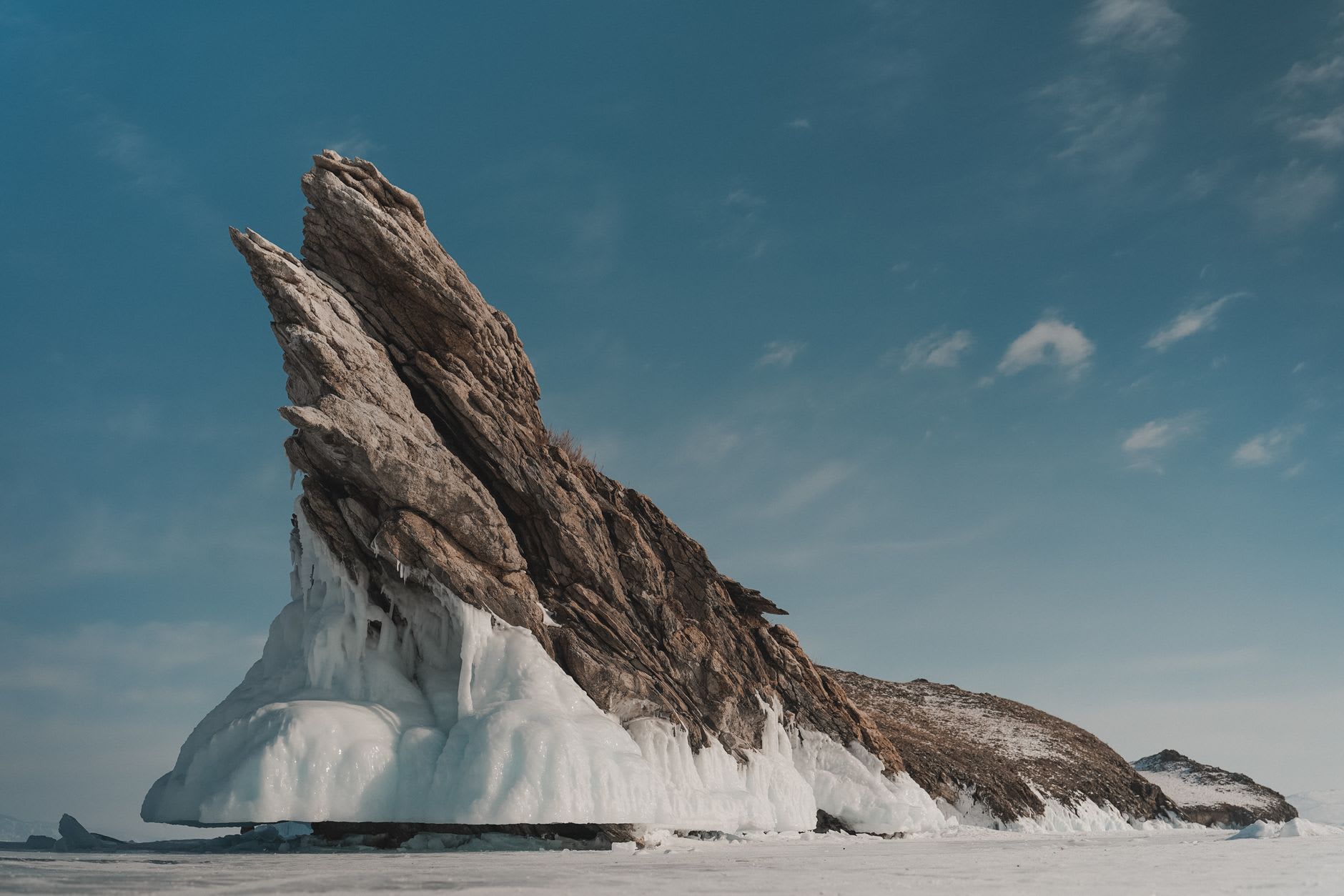
The research station is the reason Bolshiye Koty has stayed inhabited while other lake villages emptied out in the Soviet collapse. Scientists have been studying Baikal’s endemic species here since the 1920s — the nerpa seals, the omul, the epischura copepod that filters the lake water to its legendary clarity, the dozens of species of endemic amphipods that live only in these depths. In the evenings the researchers sometimes sit outside on the wooden benches by the shore, and if you are patient and offer tea they will explain things about the lake that you will not find in any guidebook. I spent two hours learning more than I expected about freshwater ecology and left feeling genuinely enriched.
The hike along the lakeshore back to Listvyanka takes about four to five hours along a trail that is narrow and occasionally overgrown, following the water’s edge with taiga on one side and the open lake on the other. In July the wildflowers are extraordinary along this stretch — blue larkspur and yellow tansy and something purple and low-growing that I never identified but kept stopping to look at. The lake beside you changes color as you walk: grey-green in the shade of the cliff sections, an impossible turquoise where the sun hits shallow water over pale rock, deep indigo further out where the bottom disappears.
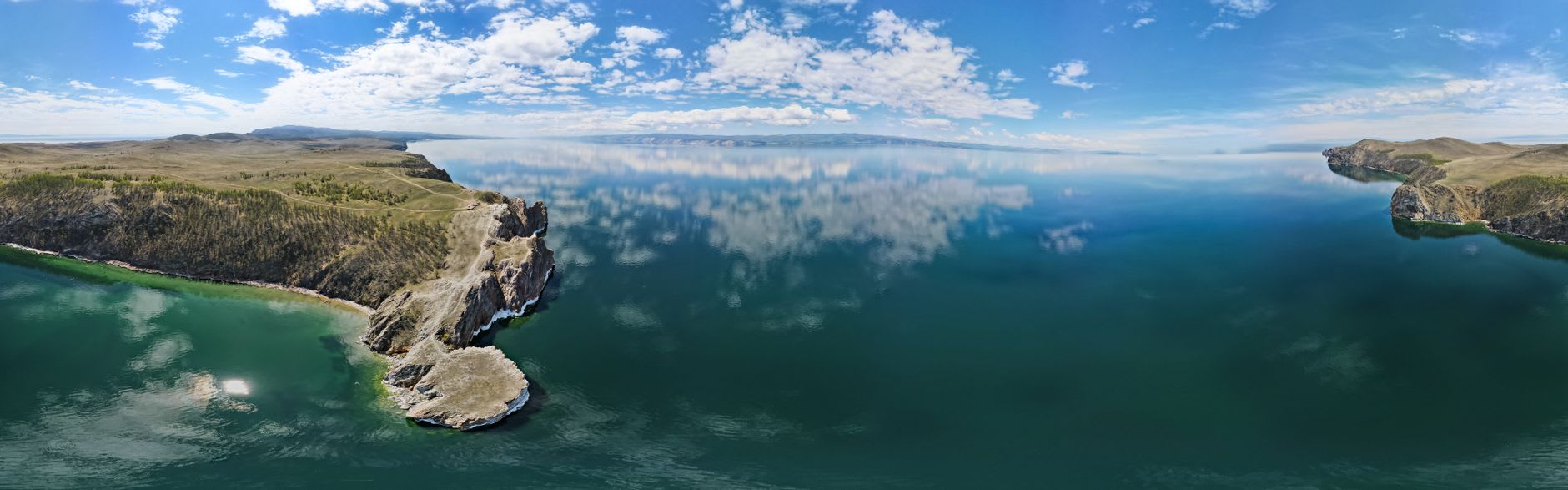
There are a few guesthouses in Bolshiye Koty that take visitors, and staying overnight changes the experience entirely. The village in the evening — after the day-trippers have left on the last boat — settles into something that belongs to its residents rather than to visitors. A woman was hanging laundry between two birch trees at nine in the evening, the light still warm and gold. Chickens wandered between the houses. The lake, three meters from my window, was completely still. I could hear it breathing.
When to go: June through September for the boat access and the hike. July is peak season but the village is small enough that it never feels overwhelmed. In winter, the village is accessible on foot across the ice from Listvyanka — about fifteen kilometers — or by snowmobile, and a handful of hardy visitors make that crossing. The winter version is an entirely different journey: silent, monumental, the village appearing ahead across the white surface like a rumor that turns out to be true.