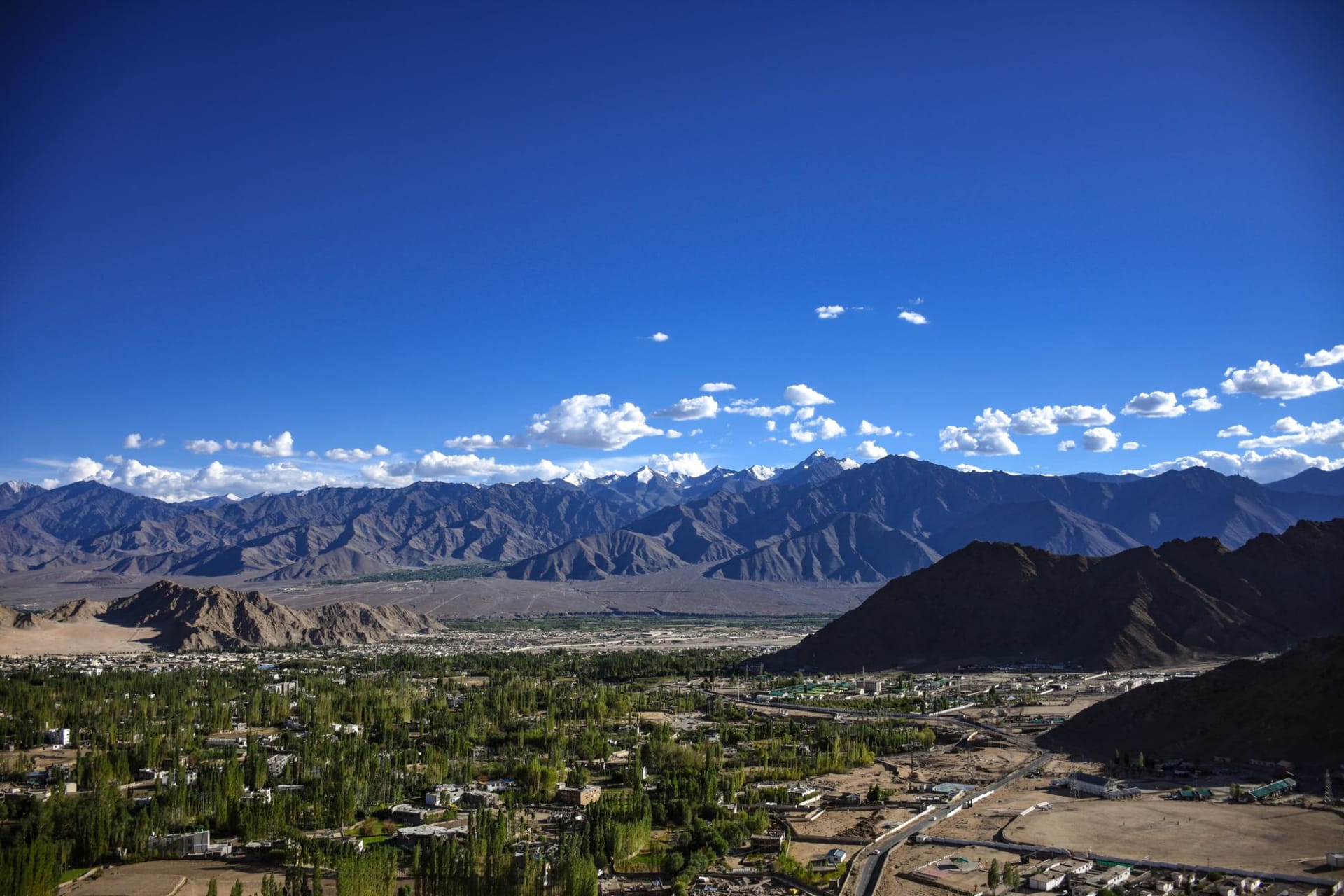
Zanskar Valley
"In Zanskar, the silence isn't absence — it has a texture, a pressure. You push against it."
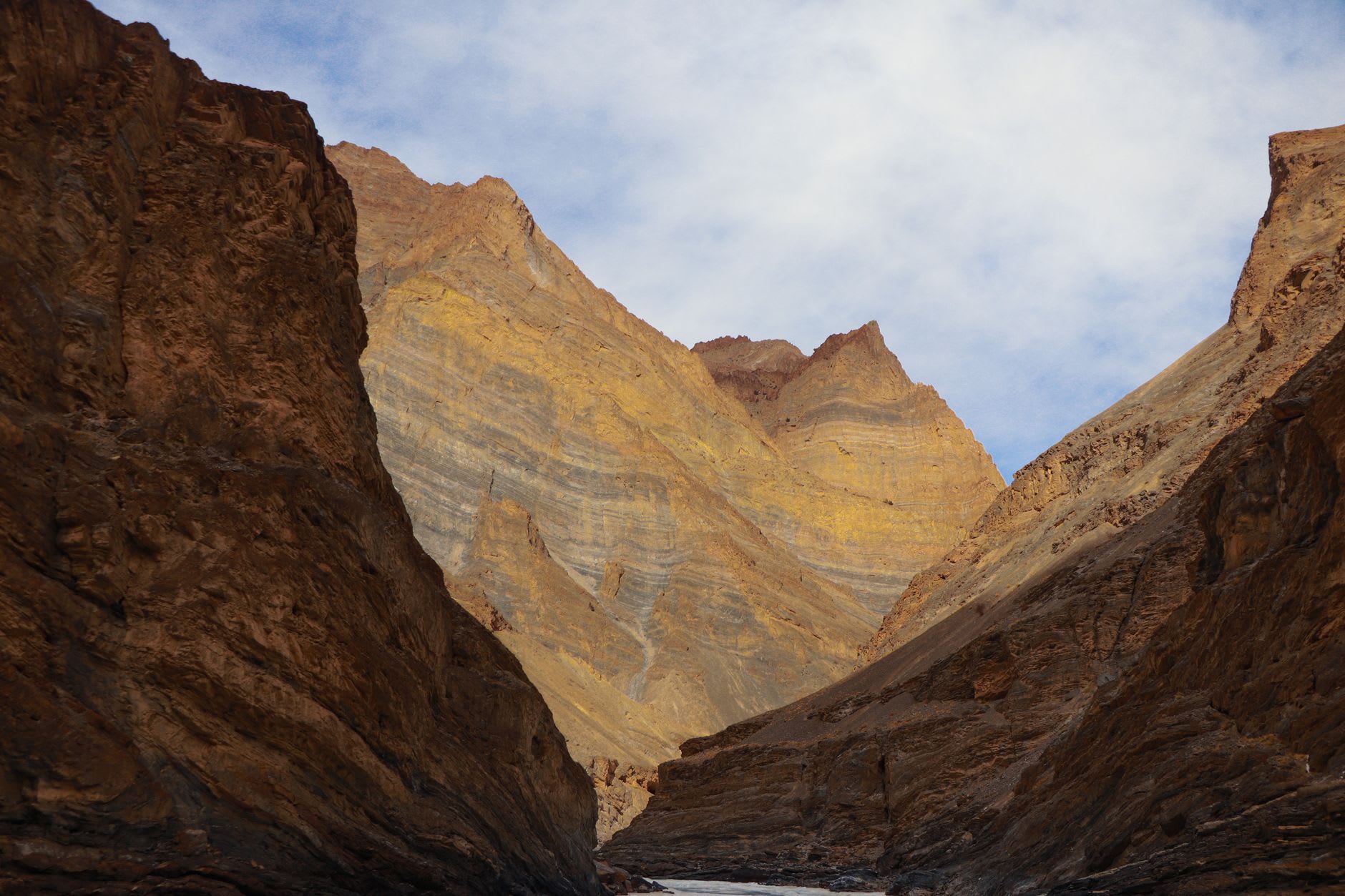
Getting to Zanskar requires a decision. The road from Kargil — rough tarmac and gravel that the monsoon rebuilds every year in new ways — takes a day in good conditions and longer when the passes decide otherwise. The alternative, in winter, is the Chadar trek: a walk along the frozen surface of the Zanskar river, which for a few weeks in January and February becomes the valley’s only link to the outside world, a road made of ice that monks and farmers have been using for centuries. I went in summer, in a jeep, and even then the route felt like an argument between the vehicle and the landscape that the landscape was winning.
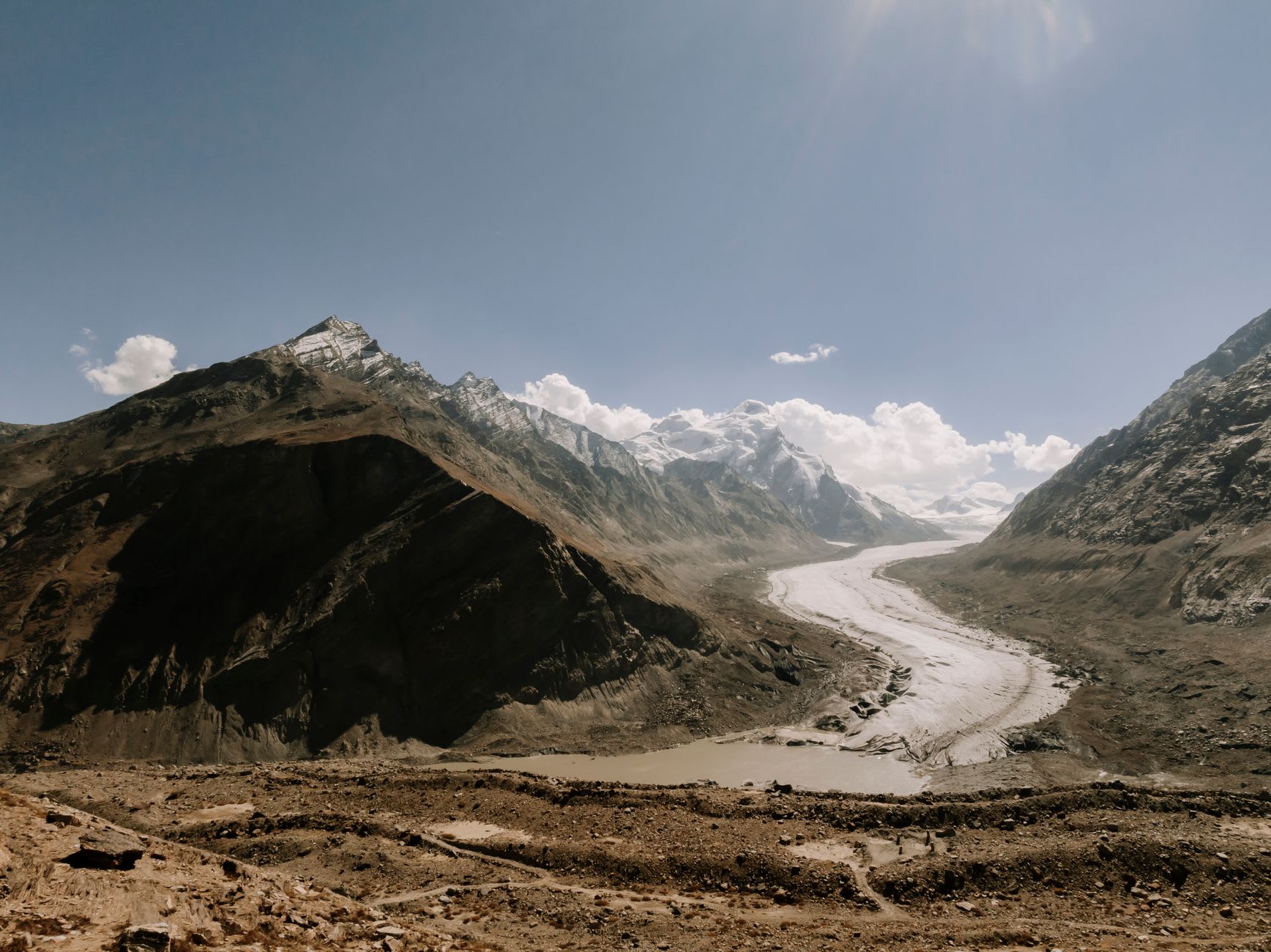
Zanskar is a sub-district of Ladakh that most people visit only in photographs and many Ladakhis describe with a mixture of pride and pity. The valley sits at an average elevation of 3,500 to 4,000 metres, hemmed in by mountain walls that hold snow from October through May and cut the valley off from road access for five to six months of the year. The people who live here — Zanskari Buddhist farmers, a few thousand across a string of villages along the Stok Zanskar River — have built a civilisation calibrated to this isolation. The villages are self-sufficient in ways that are difficult to fully appreciate until you have been inside them: grain stores that hold a year’s supply, herds of dzos that provide milk, butter, wool, and labour, solar panels that have recently replaced kerosene, and a social fabric dense enough to sustain communities through seasons when nobody leaves and nobody arrives.
Padum, the valley’s main settlement, has a bazaar, a government office, a hospital, and the particular energy of a place that understands itself as a capital even with a population of under two thousand. I spent an evening there drinking tea with a former schoolteacher who had grown up in Padum, studied in Leh, and returned — a decision that surprised me until he explained it simply: the valley had everything he needed, and the world outside had begun to look less like an opportunity and more like a kind of noise. He showed me his kitchen garden and his library, which held an implausible number of books in three languages, and we talked until his wife appeared at the door with an expression that communicated dinner was ready without requiring translation.
The monasteries of Zanskar — Karsha, Phuktal, Sani — each deserve their own accounting. Phuktal is the most remote and the most dramatic: a gompa built into a cave in a cliff face above the Tsarap River, accessible only on foot, its white buildings protruding from the rock like something the mountain itself has exhaled. The walk to reach it from the nearest road is four to five hours through gorges where the trail hugs the cliff wall above the river, and the arrival — turning a final corner in the rock and seeing the monastery suddenly filling the cave above you — is the kind of moment you do not plan, only receive.
What Zanskar does to time is the thing that is hardest to describe. The days here feel longer than elsewhere, not because they are — the sun rises and sets on the same schedule — but because there is less competing for attention. The silence between sounds has a quality, a presence. You start to notice it the way you notice the weight of a blanket.
When to go: July and August via the Kargil–Padum road, which is typically open from June through October. The Chadar trek on the frozen river runs from late January through early February — physically demanding, requiring a guide and full cold-weather gear, but for many trekkers the most vivid experience the Himalayas offer.