Asia
Ladakh
"The highest I've ever felt, in every sense of the word."
The first thing Ladakh does is take your breath away — literally. I landed in Leh at 3,500 meters and spent my first afternoon doing nothing, lying flat on a guesthouse roof while the altitude recalibrated my blood. A local told me: “Two days of rest. Non-negotiable.” He was right. By day three I was walking through the old city market, eating thukpa — a Tibetan noodle soup that warms from the inside out — and watching monks in burgundy robes navigate the same alley as mule carts loaded with solar panels. Ladakh does not try to resolve its contradictions.
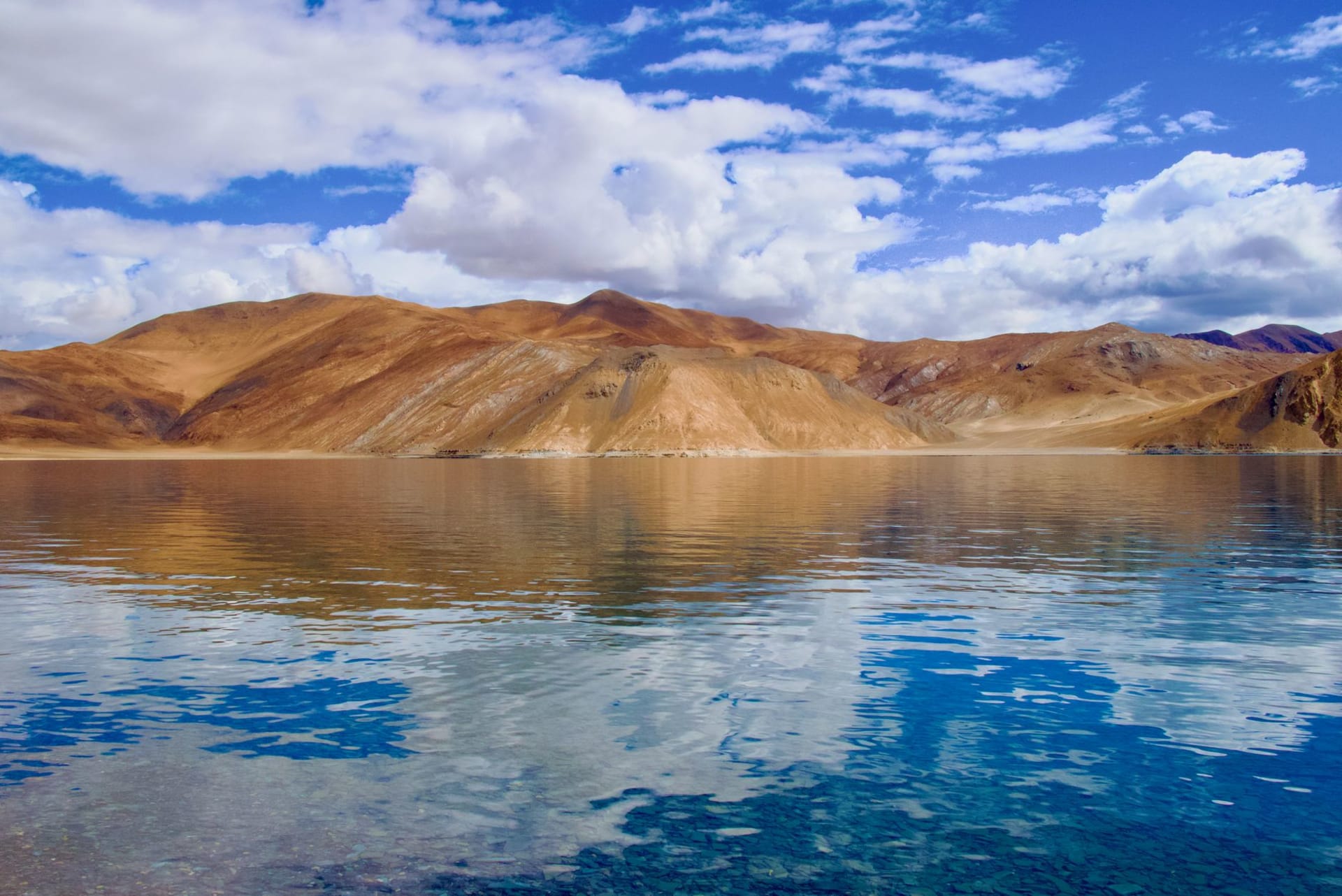
The landscape is what stops most people mid-sentence. The Himalayas here are not green and forgiving the way they are in Nepal — they are raw, sculpted by cold and aridity into shapes that look geologically alien. Pangong Tso Lake sits at 4,350 meters and changes color as you move around it: steel blue, turquoise, silver, depending on the cloud cover. Nubra Valley opens into a river delta ringed by sand dunes where Bactrian camels wander past apricot orchards in full bloom. Thiksey Monastery looks like a miniature Potala Palace plastered onto a hillside, its prayer flags rattling in wind that comes from nowhere you can see. And the roads — the Manali-Leh Highway, the passes over 5,000 meters — are engineered acts of pure stubbornness. Every kilometer feels earned.
When to go: Late June to mid-September is the only viable window for most of Ladakh — the Manali-Leh road is snowbound outside this season. June brings the apricot harvest and still-snowy peaks. August is busiest but also when Pangong is most accessible. September is the best trade-off: crowds thin, skies clear, and the high altitude light turns everything amber in the late afternoon.
What most guides get wrong: They treat Ladakh as a road trip highlight reel — Pangong in the morning, Nubra at sunset, done. The places that stay with you are the small ones: the village of Turtuk near the Pakistani border, which only opened to foreigners in 2010 and still has the feel of a place the twentieth century forgot to arrive at; the butter-tea ceremony at a homestay in Hemis; the Alchi monastery’s wooden carvings, which date back to the 11th century and are so detailed they could have taken a lifetime to produce. Slow down. Your lungs will thank you, and so will your memory.