
Takachiho Gorge
"I rowed under a waterfall, got soaked, and understood instantly why people built shrines all over this valley."
I almost skipped Takachiho. It sits inland in the mountainous spine of Miyazaki, nowhere near anything else, and getting there meant a long bus from Kumamoto that wound up through cedar forest for the better part of three hours. Lia spent most of it asleep against the window. I spent it second-guessing the detour. Then we came around the final bend, the valley opened, and I stopped second-guessing anything.
Rowing under Manai Falls
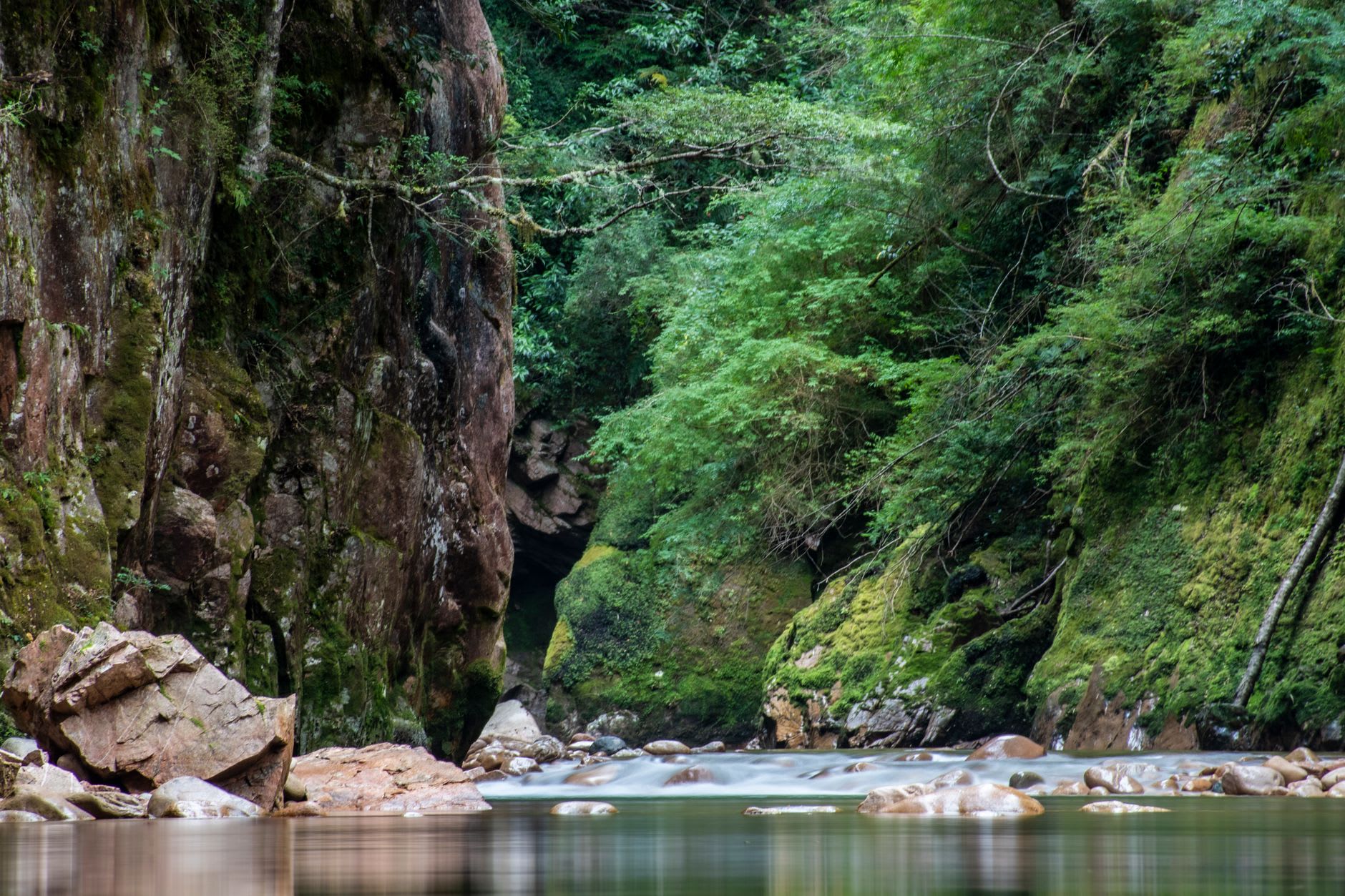
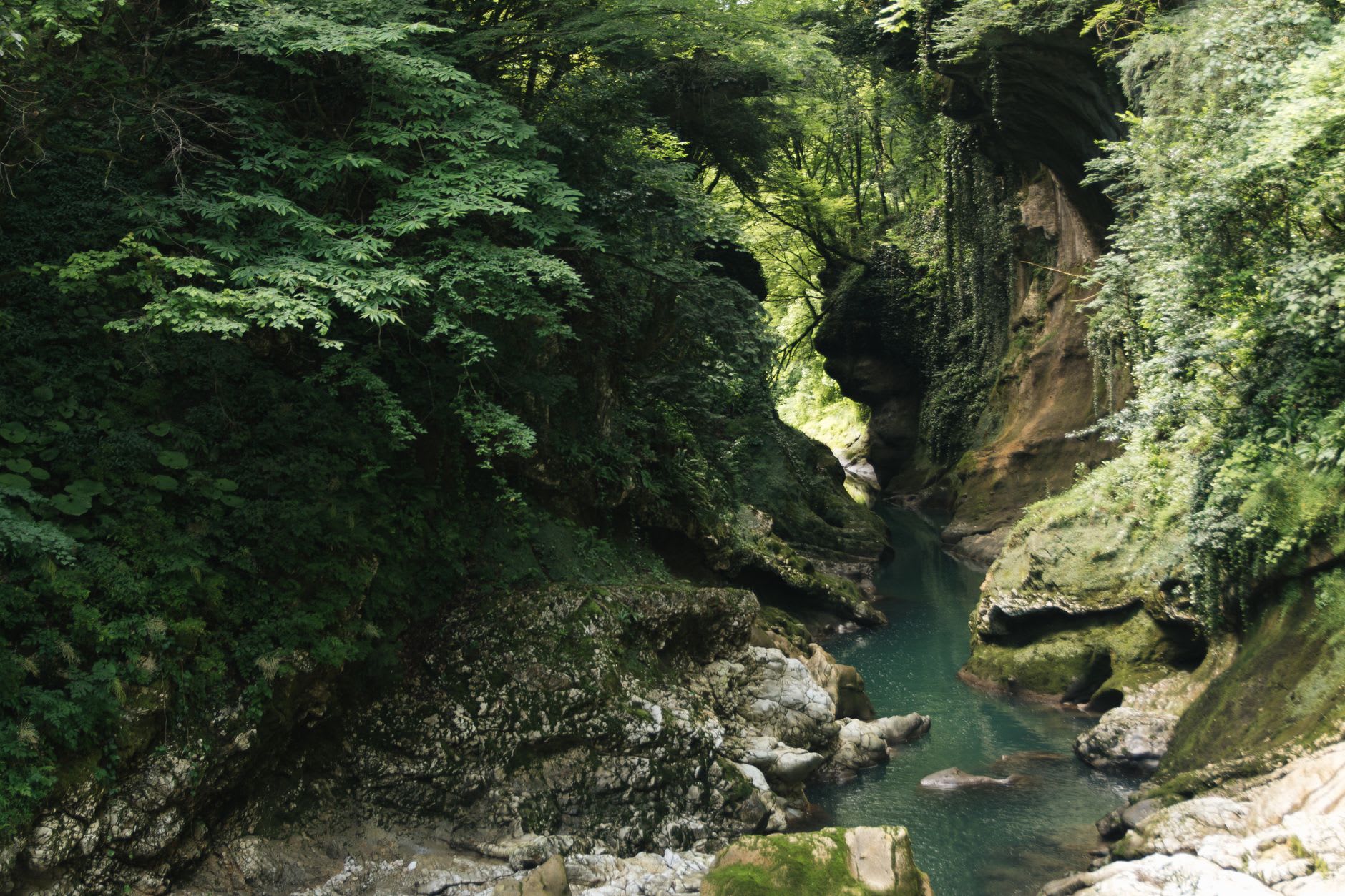
The gorge itself is a thing geology did slowly and on purpose. Pyroclastic flow from Mount Aso, tens of thousands of years ago, cooled into columns of basalt that the Gokase River then sliced into a narrow chasm. The walls are pleated like fabric, vertical and grey-green, and at the head of the gorge Manai Falls drops seventeen metres straight into the water. You can rent a rowboat at the bottom, and so we did, and it was the single most chaotic thirty minutes of the trip.
Nobody on our boat could row. I want to be clear that this includes me. The current near the falls pushes you sideways, the boat spins, and the air fills with the laughter of every other tourist who is also spinning helplessly and getting drenched by spray. Lia took the oars, decided she had it figured out, and rowed us directly into the rock wall. We laughed so hard the boat nearly tipped. Eventually we drifted close enough to the falls that the cold mist soaked us both, and for a moment, looking straight up the basalt wall to a sliver of sky, the slapstick fell away and the place felt genuinely ancient.
The valley of the sun goddess
Takachiho is soaked in myth the way Beppu is soaked in steam. This is, according to the oldest Japanese chronicles, the place where Amaterasu, the sun goddess, hid herself in a cave called Amano Iwato after a quarrel, plunging the world into darkness until the other gods coaxed her out with dance and laughter. The cave is real — or at least a cave the locals are happy to designate as the one — across the river from Amano Iwato Shrine, and there is a riverside cavern nearby where they say the gods gathered to scheme. I am not a religious man, but standing in that cool stone hollow with the river running past, I understood the impulse to locate a story in a specific patch of ground.
In the evening we went to Takachiho Shrine for the yokagura, a nightly hour of sacred kagura dance performed by masked villagers. It is a heavily abbreviated tourist version of an all-night winter ritual, and the performers are farmers and shopkeepers rather than professionals, which is exactly why it works. One mask, a comic old man, wandered into the audience and mimed groping for a wife. The whole hall, foreigners and Japanese alike, dissolved.
What I took away from Takachiho is that it earns its remoteness. The journey filters out the casual, and what is left is a valley that takes its own myths half-seriously and invites you to do the same.
When to go: Spring and autumn are ideal — the gorge is lush in May and flamed with maple in November, and the rowboats run in fair weather. The yokagura runs nightly year-round at 8pm. Book the boat early in the day, as slots sell out fast in peak season.