Asia
Kyushu
"The Japan I found when I stopped following the itinerary everyone recommends."
I arrived in Kyushu by shinkansen from Osaka, and within an hour I understood why Japanese people from the main island talk about it the way Parisians talk about the south of France — with a mix of affection and mild condescension that barely conceals envy. Kyushu is warmer, slower, and less concerned with impressing you. The ramen is richer, the sake is sweeter, the people will talk to you unprompted in a way that rarely happens in Tokyo. I got off the train in Hakata, Fukuoka’s main station, and the first thing I did was follow my nose to a tiny yatai stall under the bridge and eat tonkotsu ramen at eleven in the morning without an ounce of regret.
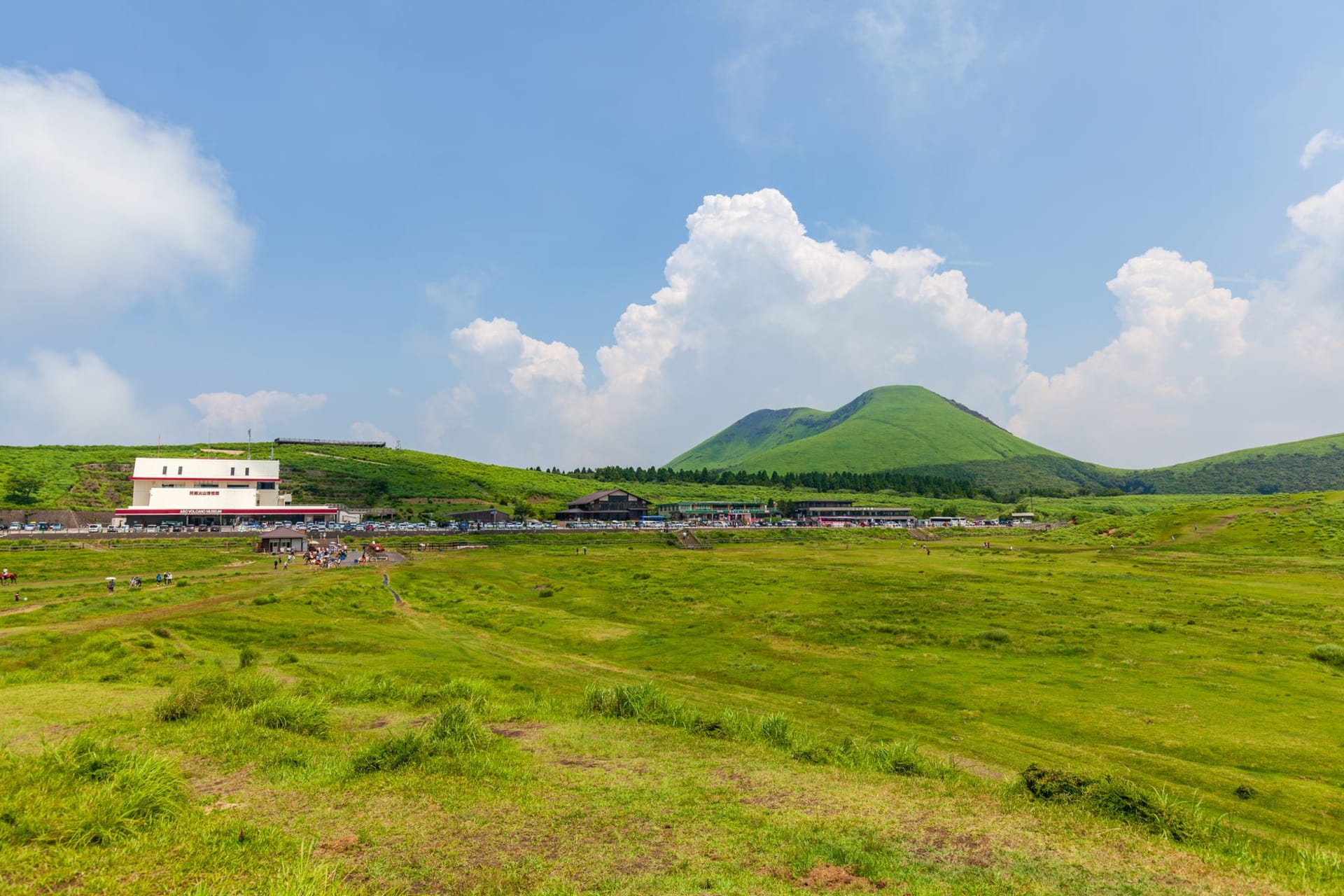
The island’s geography does most of the storytelling. Mount Aso, the largest active caldera in the world, sits in the center of the island like a reminder that none of this is permanent — the green slopes roll impossibly smooth right up to a crater rim that occasionally closes for access when the sulfur levels climb. I hiked the rim on a clear morning, wind ripping, the crater below exhaling a thin column of white smoke. It is the kind of landscape that resets your sense of scale. Then, an hour’s drive away, Kurokawa Onsen — a hot spring village so carefully preserved it feels like it exists outside of time, all wooden ryokan tucked along a river gorge, outdoor baths carved into the rock. You buy a wooden pass and spend a day wandering between different onsen. I stayed until my skin turned pink and the light went orange.
In the west, Nagasaki is a city that wears its history openly — the Peace Park, the Urakami Cathedral, the hypocenter marker set quietly into a small square. It is not a heavy place, despite everything. The Portuguese and Dutch left traces in the architecture and the cuisine: castella cake, champon noodle soup, the old trading houses on Dejima island. I ate lunch in a tiny restaurant where the owner, a woman in her seventies, explained every dish before I ate it, whether I understood or not.
When to go: Late October through November for mild weather and autumn color without the Kyoto crowds. March and April bring cherry blossoms to places like Kumamoto Castle that feel genuinely uncrowded. Summer is hot and humid — volcanic humidity has a particular quality — but the festivals make it worthwhile. Avoid mid-August if you dislike heat.
What most guides get wrong: They treat Kyushu as a side trip from Osaka or a bullet point on a Japan circuit. It deserves its own week, minimum. The distances between places are real, the ryokan experience here is more accessible and less performative than in Kyoto, and the food — Fukuoka ramen, Kumamoto horse sashimi, Kagoshima black pork, Oita’s kabosu citrus on everything — is reason enough alone to make the trip.