Kurokawa Onsen
"I stayed until the water turned my skin pink and the light went orange. I could not think of a reason to leave."
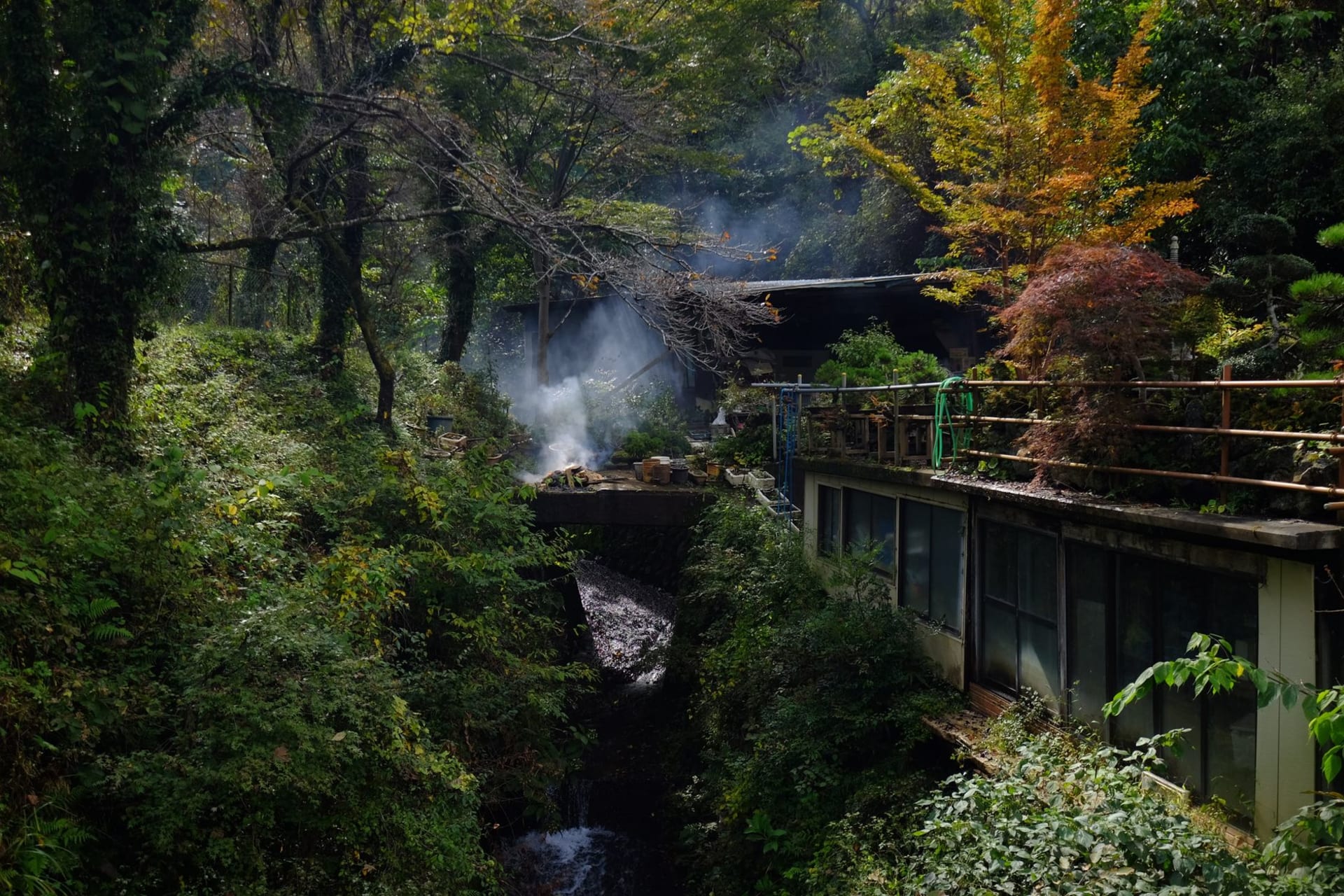
You find Kurokawa Onsen by following a road that narrows progressively through cedar forest, switchbacking down into a river gorge that the mountains seem to close behind you as you descend. The village sits at the bottom of this gorge along the Tanoharu River, and its scale is immediately apparent — perhaps thirty ryokan, a few small restaurants, a handful of shops selling lacquerware and sake, all arranged along a single winding street no more than a few hundred meters long. It is the kind of place that exists in exact proportion to the pleasure it offers. There is nothing extra here, nothing that is not part of the experience of being warm and immersed in hot spring water in a valley of cedar trees.
I arrived in late afternoon in November, when the maples that line the gorge were at their most aggressive in color — orange and deep red against the dark green of the cedar, the entire slope reflected in the pale steam rising from the outdoor baths. At the village’s small tourism association office, I bought an nyuto tegata — a small wooden tag carved in the shape of a sake cup that functions as a pass for three different inns’ outdoor baths. You wander between ryokan at your own pace, surrendering the tag at each one, choosing which rotenburo appeals — some carved directly into the rock of the gorge, some built on wooden platforms over the river, one where the bath is a cave you crouch into through a low entrance and emerge into steaming darkness lit by paper lanterns.
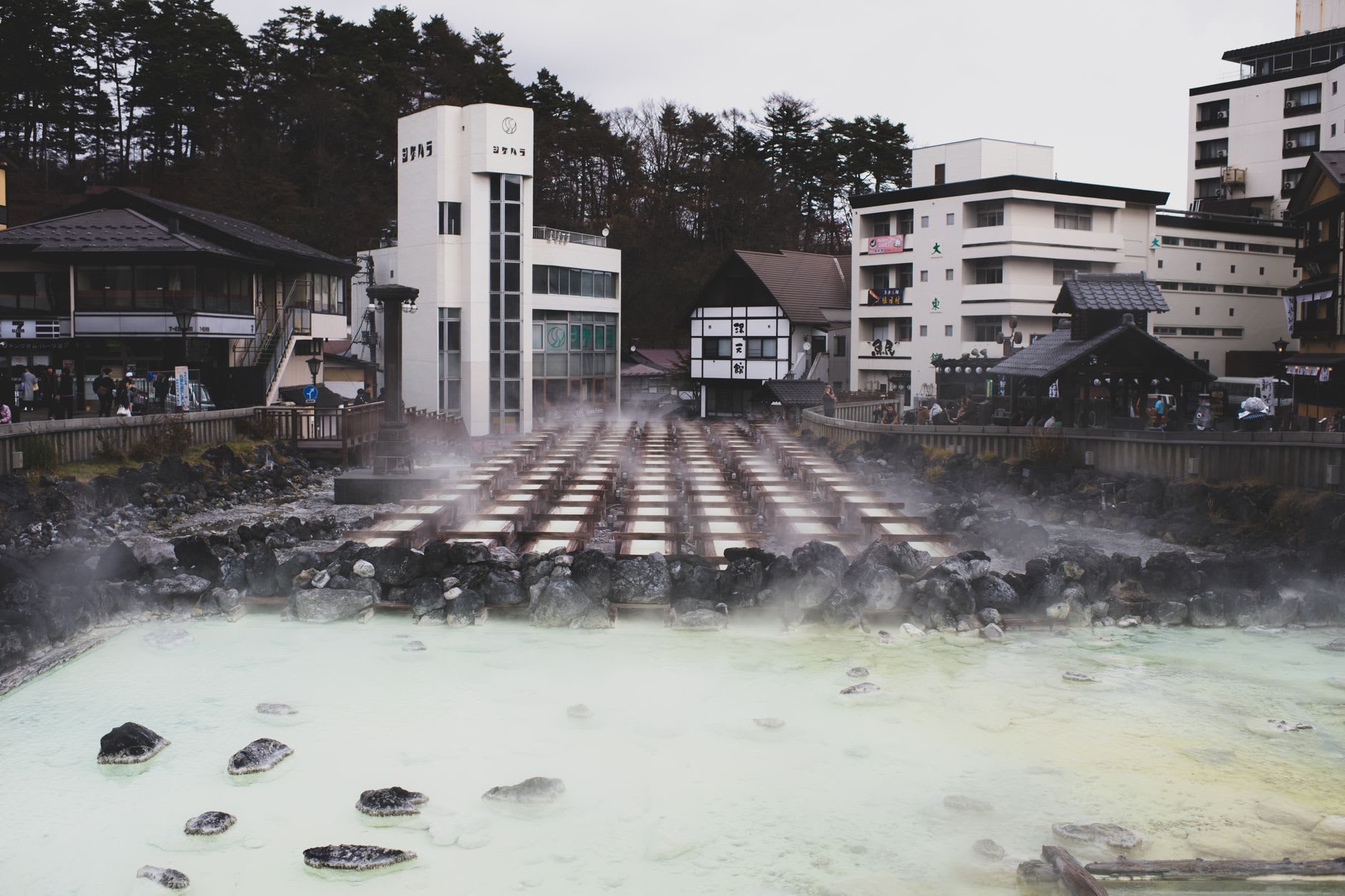
The water itself has a particular quality here — slightly sulfurous, milky in some baths and clear in others depending on the mineral content, hot enough that you can only stay in for fifteen or twenty minutes before the heat becomes something you need to respect. I spent the day moving between baths and the cold air of the gorge, alternating immersion with cups of green tea drunk on the wooden decks of different inns, watching the light change on the valley walls. At each bath I was alone or nearly alone — Kurokawa is not a place where crowds really gather, partly because its isolation makes it inconvenient and partly because the Japanese travel culture around onsen is more meditative than social.
I ate dinner at the ryokan where I was staying, a kaiseki meal served in my room by a woman in kimono who explained each dish with a quiet thoroughness that suggested she found the food genuinely interesting rather than performing hospitality. There was river fish from the Tanoharu served in two ways — raw, cut thin, and simmered in a light broth. There were local mountain vegetables, pickled or lightly dressed. There was tofu made that morning in the inn’s kitchen, silken in a way that makes the word mean something different than it usually does. The sake was from a brewery in Aso, a little sweet and deeply cold, and I drank it sitting on the floor of my room looking out at the lit lanterns of the path along the river below.
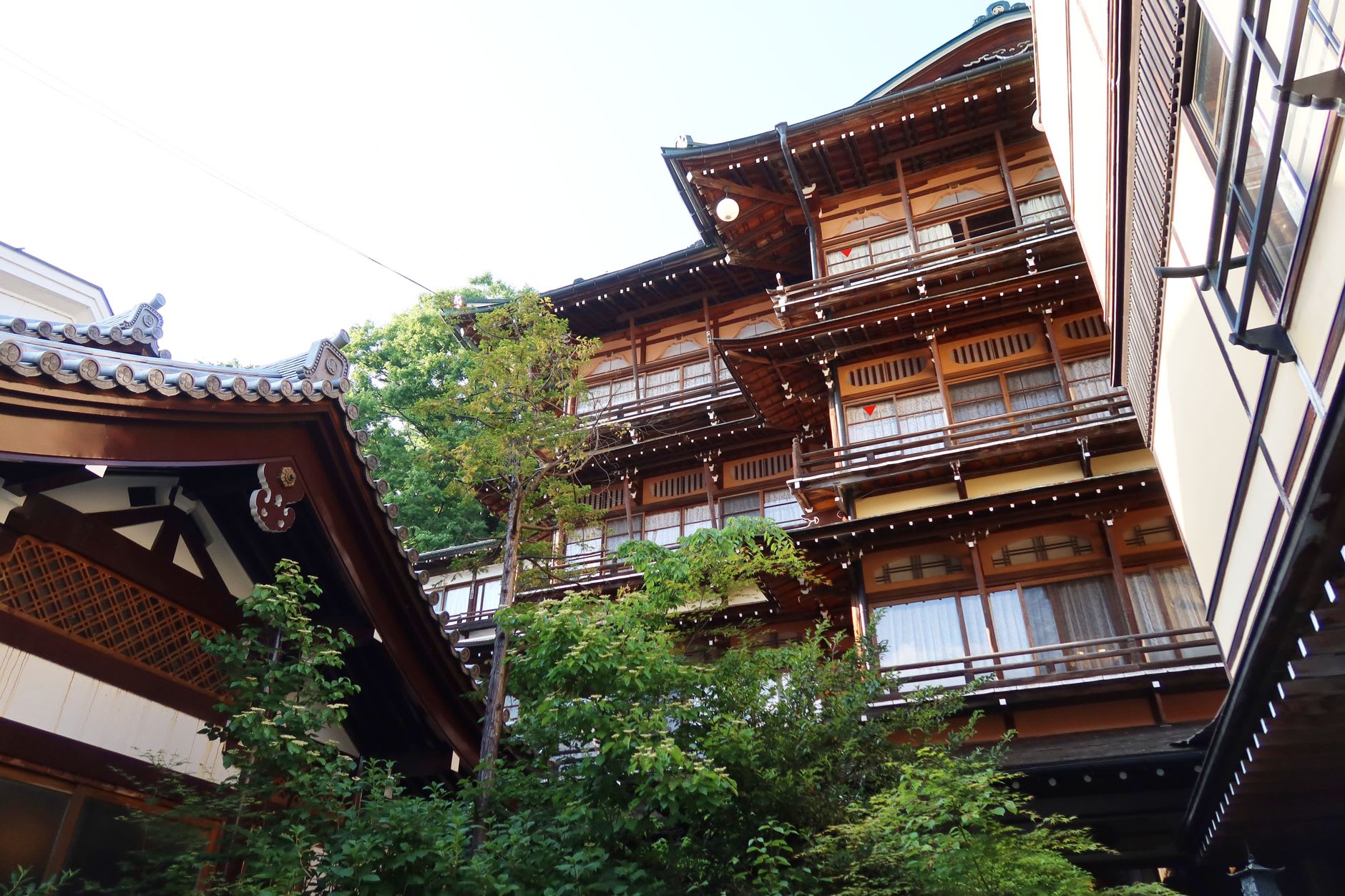
There is almost nothing to do in Kurokawa Onsen except be in the water and eat well and sleep in a futon on a tatami floor and wake up to the sound of the river. I am aware this sounds like a limitation. It is not.
When to go: Mid-November for autumn color is exceptional — the maples peak around the second and third week and the combination of red leaves and rising steam is genuinely spectacular. Late April brings fresh green. Midwinter is cold but the contrast between snow and hot water has its own logic. Book well in advance for autumn and cherry blossom season.