Song-Kul
"I stayed three nights and started to lose track of why I had ever needed anything more than this."
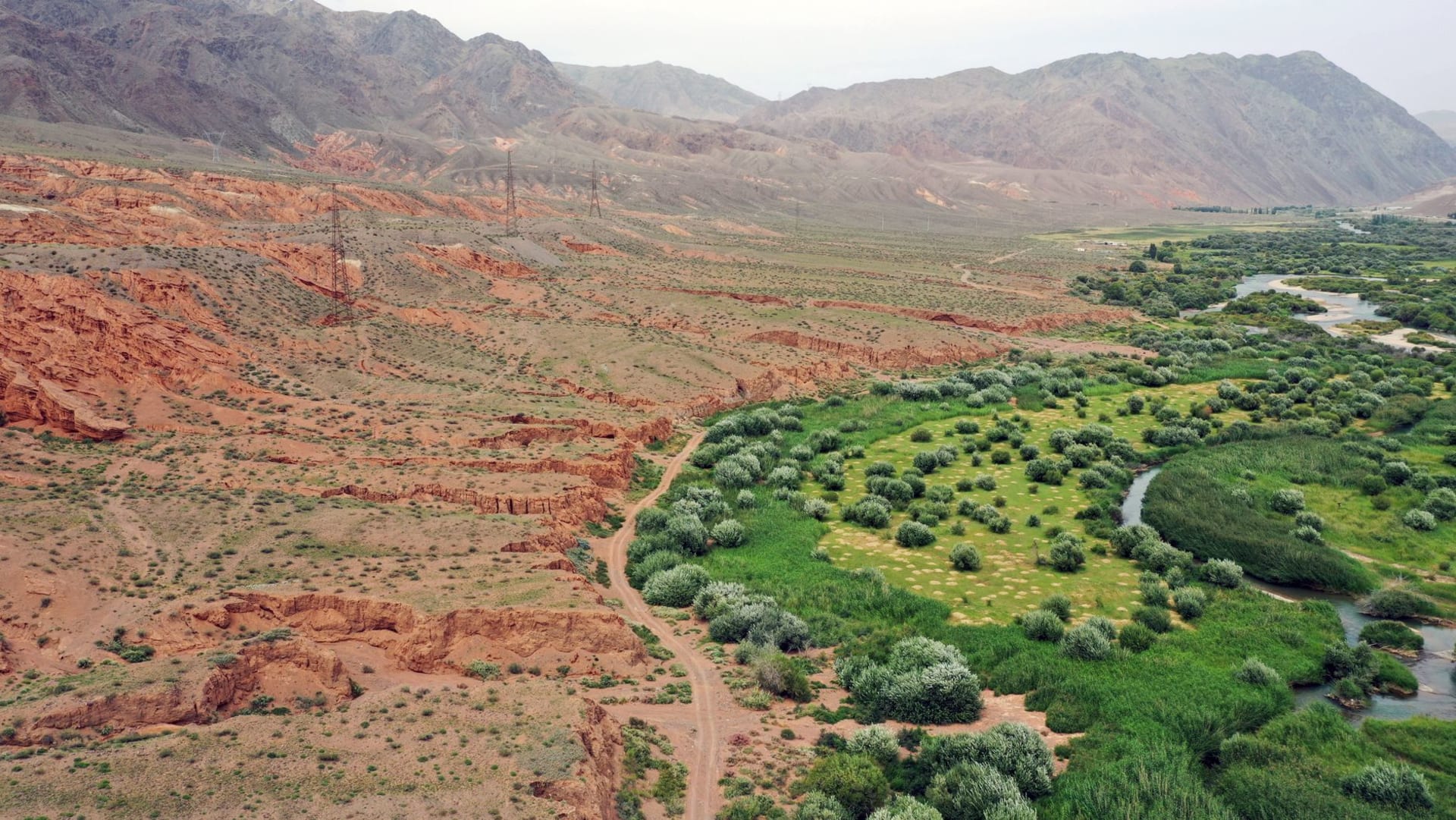
The road up to Song-Kul passes through several climate zones in a single afternoon. Below, in the valley near Kochkor, it was warm and dry — the kind of afternoon where dust hangs in the air and the only shade is under a poplar tree. By the time the 4WD started switching back up the final set of switchbacks, we were in cloud, then above cloud, then suddenly on a plateau so vast and flat it seemed impossible that it could exist at this altitude. The driver said something in Kyrgyz and pointed ahead. I leaned forward. And there was the lake.
Song-Kul sits at 3,016 meters in a bowl of treeless grassland and it is one of the few places I have been where the scale of a landscape actually registered on first sight rather than accumulating over days. The water was the particular blue that happens when the sky above has nothing to compete with — no coast, no industry, just altitude and cold — and the western shore was studded with white yurts, their smoke rising in thin vertical lines.

The family I stayed with had four yurts — two for guests, one for living, one for storage — and about sixty horses tethered in a loose cluster nearby. The grandmother ran the kitchen, which meant she brewed tea constantly and produced from somewhere a supply of kurt, those pebble-hard balls of dried sour cheese that taste intensely of themselves and nothing else. You eat them slowly, letting them dissolve, and they carry an odd satisfaction that has to do with understanding something about a landscape through what it produces. Kumiss — fermented mare’s milk — arrived in a clay bowl after dinner. It is mildly fizzy and tastes somewhere between yoghurt and very light beer. I found it interesting rather than delicious, which felt like the honest response.
The second morning I woke at five because the horses had started moving. From the yurt door the light was doing something I have not seen replicated anywhere: a horizontal gold that moved across the grass so slowly it seemed geological, with the lake catching it from below and throwing it back in a different shade. I stood there for probably forty minutes. The grandmother came out at some point, looked at the same thing, shrugged, and went back inside to make tea. She had been watching that light for seventy years.
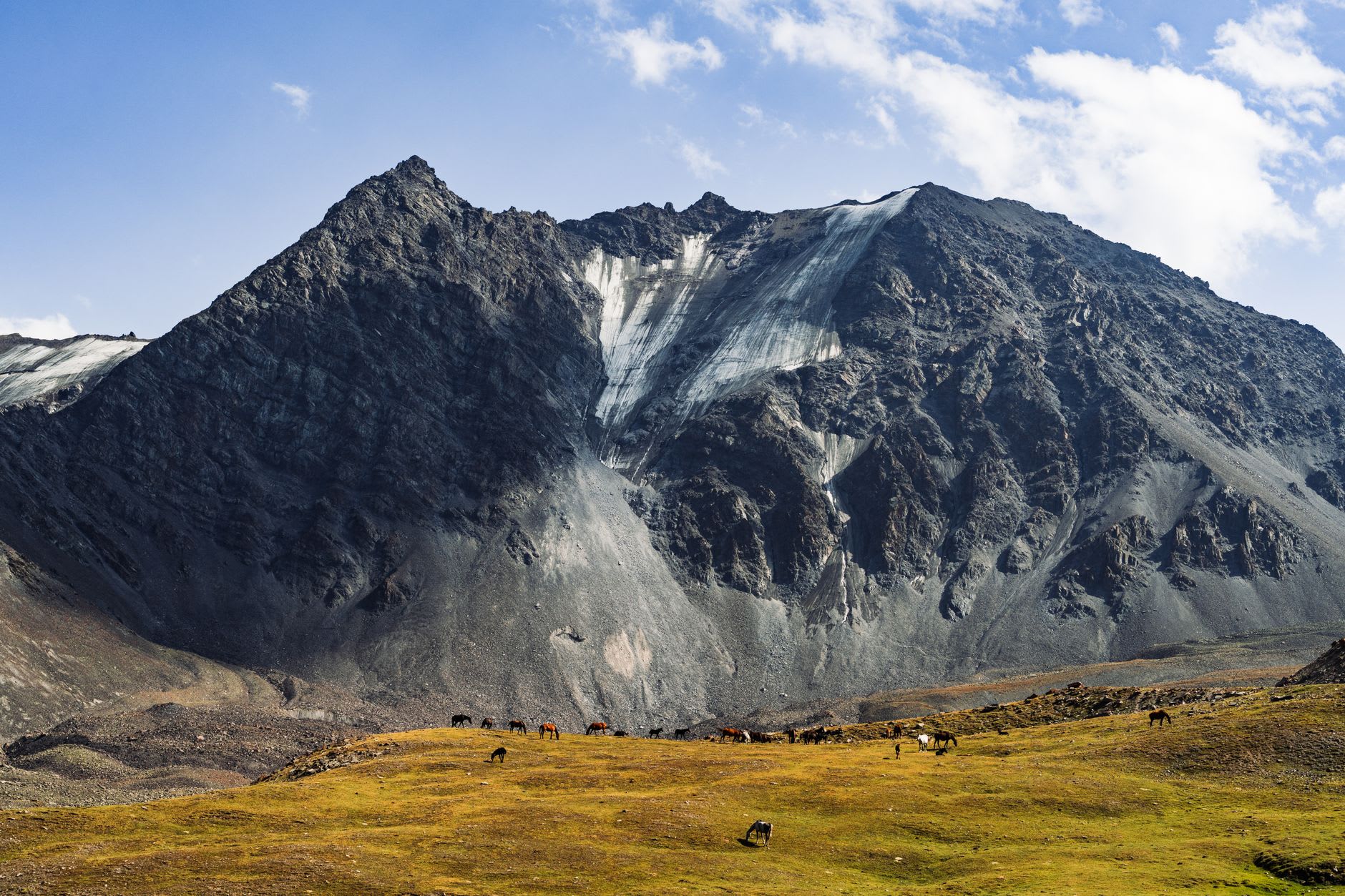
In July, the full nomadic season, the lake takes on a quality of gentle festival. You can hear horses, children, the occasional throat singing carried on the wind from another camp. In the mornings, eagle hunters sometimes work the edges of the plateau. It sounds folkloric when written down, but in person it is simply how life is organized here, has been organized here, and the absence of performance in it is what catches you off guard. Nobody is doing this for you. They are doing it because the grass is ready and the season is short and the work needs doing. Being allowed to watch — to briefly exist inside that calendar — is the thing I came to Kyrgyzstan for and did not quite know until I had it.
When to go: Song-Kul is accessible from mid-June through September — the passes close with early snow and the nomads descend before October. July brings the fullest camp life and the warmest days, though nights are cold at any point in the season. Bring real layers regardless of when you arrive; the temperature drops fast after sunset at 3,000 meters.