Bishkek
"Everyone told me Bishkek was just a transit city. I stayed four days and it was never enough."
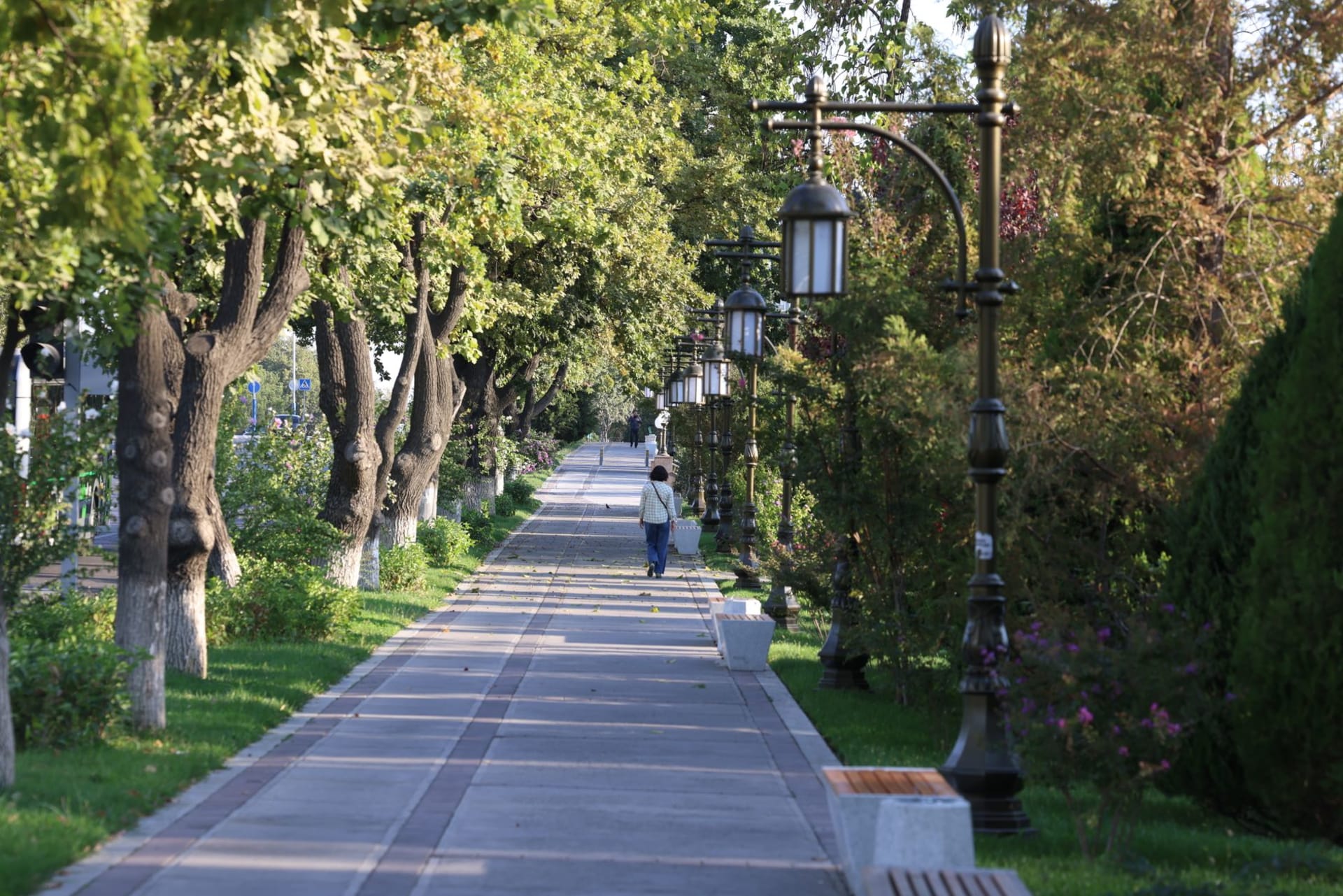
Bishkek does not announce itself. The airport road runs flat through a scrubby outskirt, past petrol stations and fruit vendors, and then almost without warning you are in a city of chestnut trees and Soviet geometry. The boulevards are wide enough to feel slightly ceremonial, and in late spring the trees form a complete green canopy over the footpaths, dropping blossoms onto the benches where old men play chess in the afternoon heat. I had twelve hours to kill before my marshrutka south and spent almost all of them just walking, which turned out to be exactly the right choice.
Osh Bazaar is the city’s metabolic centre — not Osh the city in the south, but the bazaar here in Bishkek named for it — and it operates across several covered and uncovered sections that spill into the surrounding streets. The dry-goods section smells like cumin and dried apricots and something faintly medicinal from the herb sellers. Women in headscarves hand over paper bags of spice without looking up. The meat section is not for the faint-stomached. But the bread stalls are extraordinary: round tandoor loaves called non, still warm, stamped with a pattern in the centre, sold for a few soms each. I bought two and ate them walking, and they were better than anything I ate in a restaurant that week.
The café scene is the thing nobody tells you about. In the neighbourhoods around Erkindik Boulevard and Chuy Avenue, a generation of young Bishkek residents — students, architects, musicians returning from Almaty or Istanbul — has opened the kind of small, serious coffee places you find in Berlin or Mexico City. I found one with mismatched chairs and a vinyl player and a barista who wanted to talk about Central Asian film while making my espresso. Kyrgyzstan still has no real tourism industry to speak of, which means the city’s creative class does not cater to outsiders. It caters to itself. The result is a certain authenticity that feels almost accidental.
Ala-Too Square, the main plaza in the centre, carries the residue of Soviet staging — the government house, the long open pavement, the flagpole flying an enormous Kyrgyz banner — but it has been softened over the years by the Ferris wheel at one end and teenagers doing tricks on bikes at the other. The National Museum is worth an hour for the yurt in the lobby alone: a full-scale felt tent reconstructed so carefully you can smell the lanolin. Everything I was about to go and find in the mountains had its prologue here, in a room in the city.
When to go: May and June are the best months in Bishkek itself — warm, green, the trees in blossom, and not yet hot. If you are using the city as a staging point for mountain travel, it works as a base from June through September. October brings golden light and cold evenings and a certain melancholy that suits the chestnut avenues well.