Arslanbob
"The walnuts crunch underfoot all autumn and the whole forest smells like something you almost remember."
Somewhere in the middle of the shared taxi journey from Jalal-Abad, the landscape changed. The dry lowland fields and the road dust and the occasional roadside stand selling Sprite suddenly gave way to something green and vertical — walnut trees. Not a plantation but a forest, ancient and dense and entirely unlike anything I had seen in the rest of Kyrgyzstan. The trees were enormous, their trunks knotted and grey, their canopy making the road into a tunnel of filtered light. The driver said the name again — Arslanbob — and pointed up through the windscreen as if the whole forest were the destination, which it more or less is.
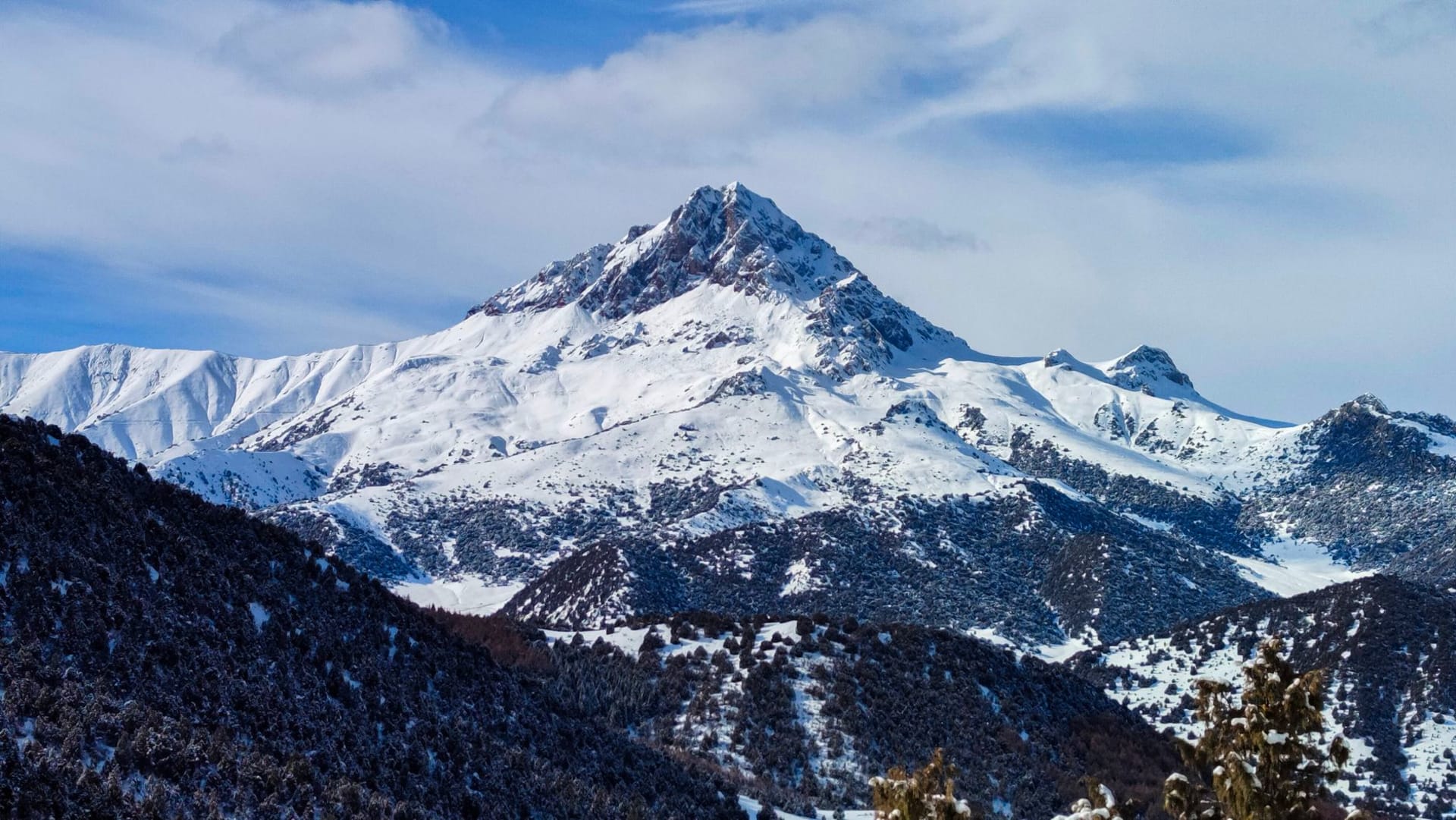
Arslanbob sits in the Babash-Ata mountains of southern Kyrgyzstan and the walnut forest surrounding it is reputedly the largest natural walnut grove in the world — six hundred thousand hectares of trees that were already old when the Silk Road was new. The village itself is predominantly Uzbek, a cultural enclave that feels distinctly different from the north of the country: lower altitude, warmer air, the call to prayer from a mosque at the edge of the village, women in vivid dresses, bread baked in oval shapes rather than round. The community has been farming and harvesting these trees for so many generations that the distinction between forest and garden has effectively disappeared.

In September and October, the harvest season, the ground below the trees is covered in green husks and the air smells richly of that particular bitter-sweet walnut tang. Families work the trees in shifts — shaking branches with long poles, gathering from the ground in canvas sacks — and the sound of the nuts hitting the hard earth carries through the whole forest. I spent a morning walking the trails above the village and every twenty minutes I found another family working a stand of trees in companionable silence. They offered me walnuts as a matter of course, still in their husks, and the ones you crack open immediately and eat on the spot are sweet and slightly resinous in a way that no supermarket walnut has ever been.
There are two waterfalls reachable on foot from the village — the small one takes twenty minutes, the large one about two hours — and both are worth the walk for the forest they pass through as much as the falls themselves. A sacred spring near the village draws pilgrims from around the region; the white rags tied to the branches of nearby trees mark wishes left by previous visitors, and the spring has a clarity that seems symbolic even if you do not believe in symbolism.

Homestays here are genuine: a family home, a spare room, meals cooked for the household and then extended to include you. The bread comes off a clay oven and arrives hot. The tea is green and strong. In the evening the family watches Turkish soap operas and the distinction between traveler and guest collapses into something more domestic and easier to bear. Arslanbob is in the south, and the south of Kyrgyzstan has a patience that the north, oriented toward the trekking trade, does not always have.
When to go: September and October for the walnut harvest — the forest turns gold, the smell is extraordinary, and the community tourism network is fully active. April and May work well for wildflowers and silence. Avoid the height of summer if you dislike heat; the southern valleys get genuinely warm in July and August.