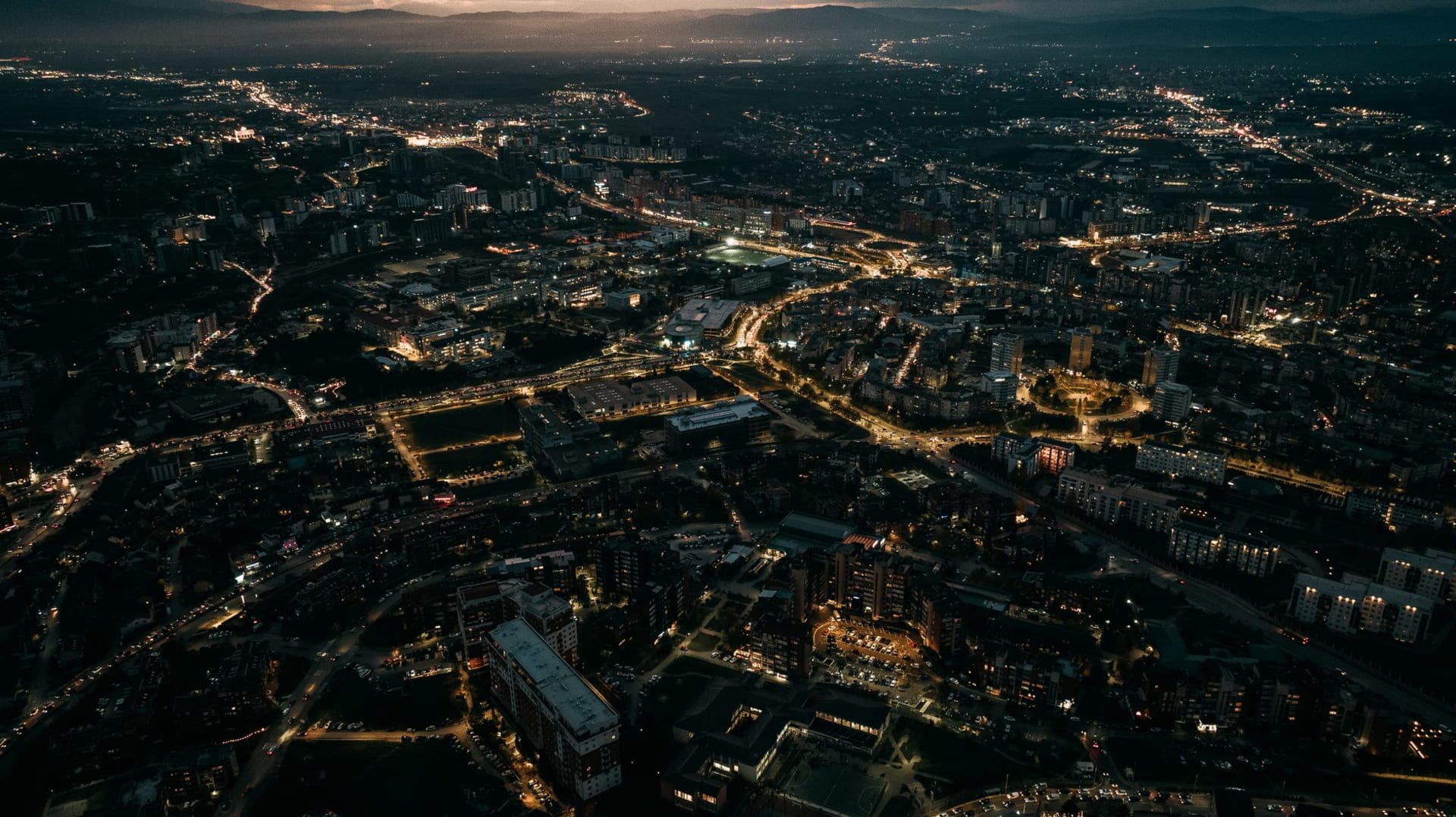
Pristina
"Pristina is the only capital I've been to where the national mood is basically: we're alive and we're going fast."
The Bill Clinton statue is gold and larger than life, standing at full stride on a boulevard that bears his name, in a country that has also named a street after George W. Bush and a square after Tony Blair. This is not irony. Kosovars mean it. The first time I walked past Klintonit Boulevard at midday, two teenagers were posing for photos beneath the statue with unself-conscious enthusiasm, and the sight of it — that American flag tie painted gold, that thumbs-up frozen mid-gesture — felt like the most sincere political monument I had ever encountered.
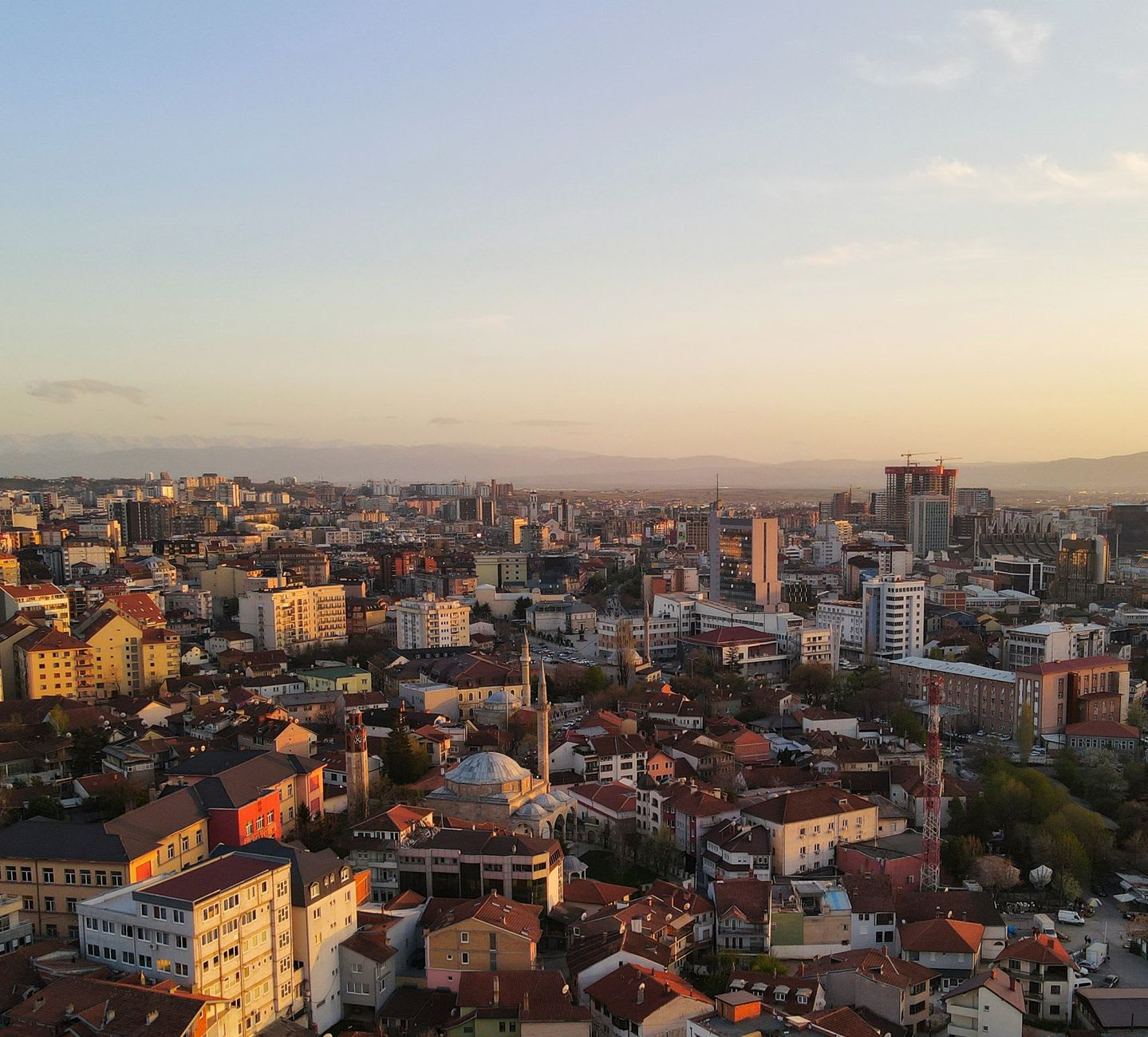
Pristina does not look like a European capital in the conventional sense. It looks like a city that received its independence relatively recently and has been building and tearing down and rebuilding ever since, with no particular master plan but enormous velocity. Construction cranes punctuate the skyline. New apartment towers rise next to crumbling Yugoslav-era housing blocks. The roads improvise. But amid all this, Mother Teresa Square — dedicated to the city’s most famous daughter — provides a calm centre where old men sit on benches and teenagers take selfies beside the fountain, and the combination is oddly moving.
The National Library is the building that stops you mid-street. Completed in 1982 by a Croatian architect working under Yugoslav commission, it is a structure that no consensus has ever adequately described: white domes, chainmail cladding, 99 skylights, a building that looks like it arrived from somewhere else and decided to stay. I circled it twice trying to decide what I thought, then gave up and went inside, where the reading rooms are calm and the light through the domes is genuinely beautiful. I went in meaning to use the wifi and stayed for the architecture.
The café culture is Pristina’s most reliable pleasure. Kosovars take their espresso with the same intensity that Italians apply to it and the same offense taken at anything not properly made. By ten in the morning, every terrace on the streets around Zahir Pajaziti Square is full. By midnight, they are full again. The window in between involves a great deal of walking, talking, and the peculiar Kosovar practice of sitting at a café for three hours and ordering two espressos — a practice the bar staff accommodate with complete serenity.

The NEWBORN monument — those big yellow block letters spelling the word, repainted each February 17th for Independence Day — stands near the Grand Hotel as a piece of civic optimism that wears its sentiment openly. In most cities this would feel naïve. In Pristina, a city that has lived through things most European capitals have only read about, it feels earned in a way that cuts right through you if you’re paying attention.
When to go: Spring and early autumn are comfortable and keep the city at its most animated. Summers are warm and the terraces stay packed until late. Kosovo’s Manifesta contemporary art festival and PriFilm Festival bring cultural energy in the warmer months. Winter is damp and grey but the café scene never closes.