Taka Makassar
"An island so small it barely qualifies as one — a comma of sand in an enormous sea, and for twenty minutes it was entirely ours."
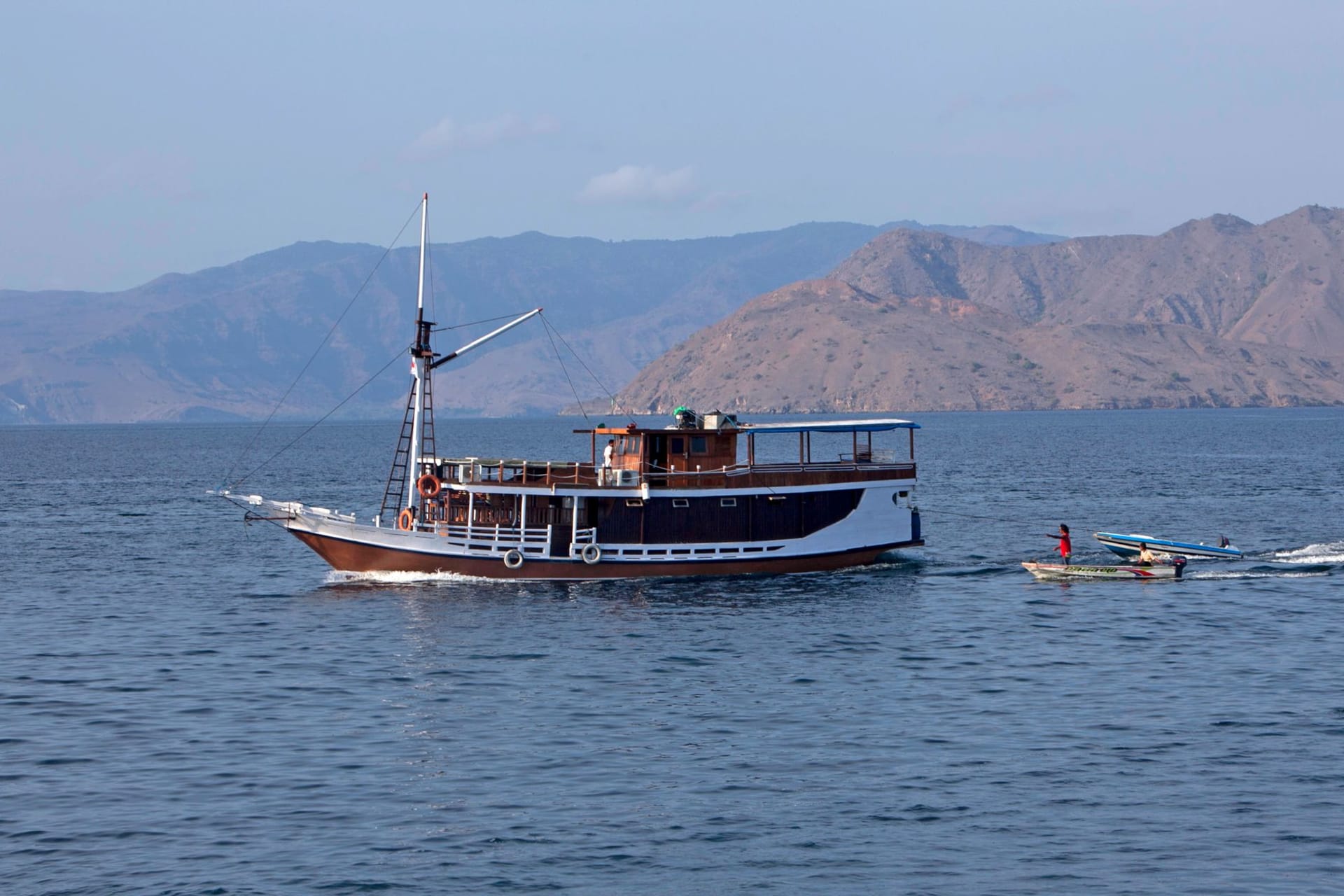
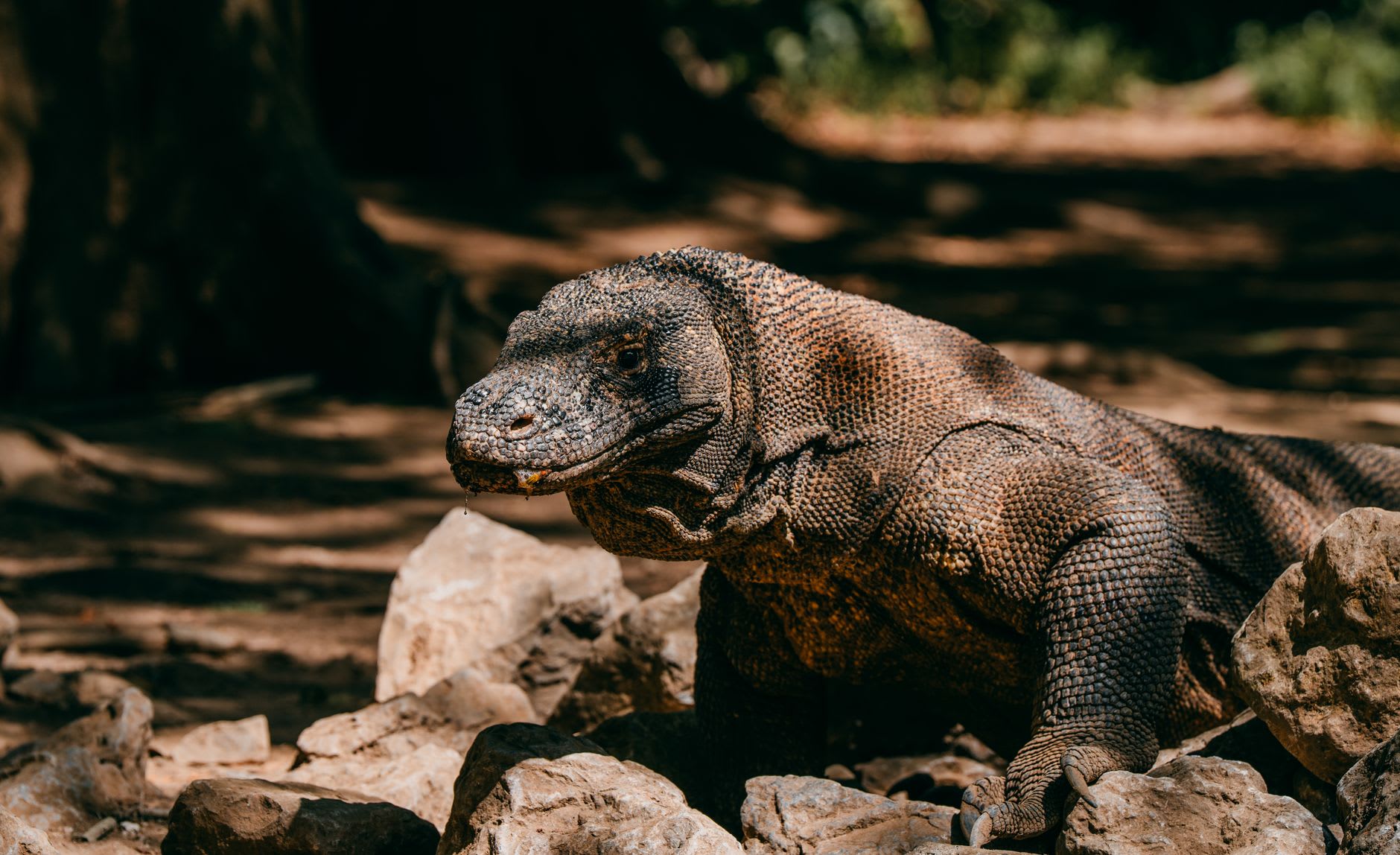
We almost skipped Taka Makassar. After three days of big sights in Komodo — the dragons, the viewpoint at Padar, the pink beaches — a tiny sandbar in the middle of the water sounded like a filler stop, the kind of thing boat itineraries pad the day with. I was wrong, and I am happy to say so. Our boatman cut the engine a hundred meters out and we waded the rest of the way through water so shallow and clear it was hard to believe we were in the open sea, and then we were standing on it: a thin curve of sand, maybe a hundred meters long, with absolutely nothing on it. No tree, no rock, no shade. Just sand and the sea on every side.
A sandbar in the middle of the sea
Taka Makassar sits between Komodo and the eastern islands of the national park, a low crescent of coral sand that appears and shrinks with the tide. At low water it is a generous beach; near high tide it narrows to a thin spit, and I have been told that at the highest spring tides it nearly vanishes. The sand has the same faint pink blush as Komodo’s famous pink beaches — the same crushed red coral and microscopic foraminifera mixed into the white — so in the right light, with the turquoise water around it, the whole thing glows a soft rose. Standing in the middle of it with water stretching to the horizon on all sides is a genuinely strange sensation, like being marooned on purpose.
There is no infrastructure here at all, which is the point. No vendors, no shelter, no facilities — you bring your own water and you respect the fact that there is no shade whatsoever, because the equatorial sun off the white sand is ferocious. Lia, who burns if she looks at a window, lasted about fifteen minutes on the sand before retreating to the water, which is where the real action is anyway.
The mantas next door
The reef ringing the sandbar drops away into deeper channels, and just minutes from Taka Makassar lies one of the park’s best manta sites. We snorkeled straight off the bar’s edge over staghorn coral thick with reef fish, and our guide then took the boat the short distance to the manta cleaning station, where we slipped into the current and watched two reef mantas — each easily three meters across — glide in slow circles below us, utterly unbothered by our presence. One passed close enough that I could see the pattern of spots on its pale underside. It is the kind of encounter that recalibrates your sense of scale; we were the small, clumsy ones.
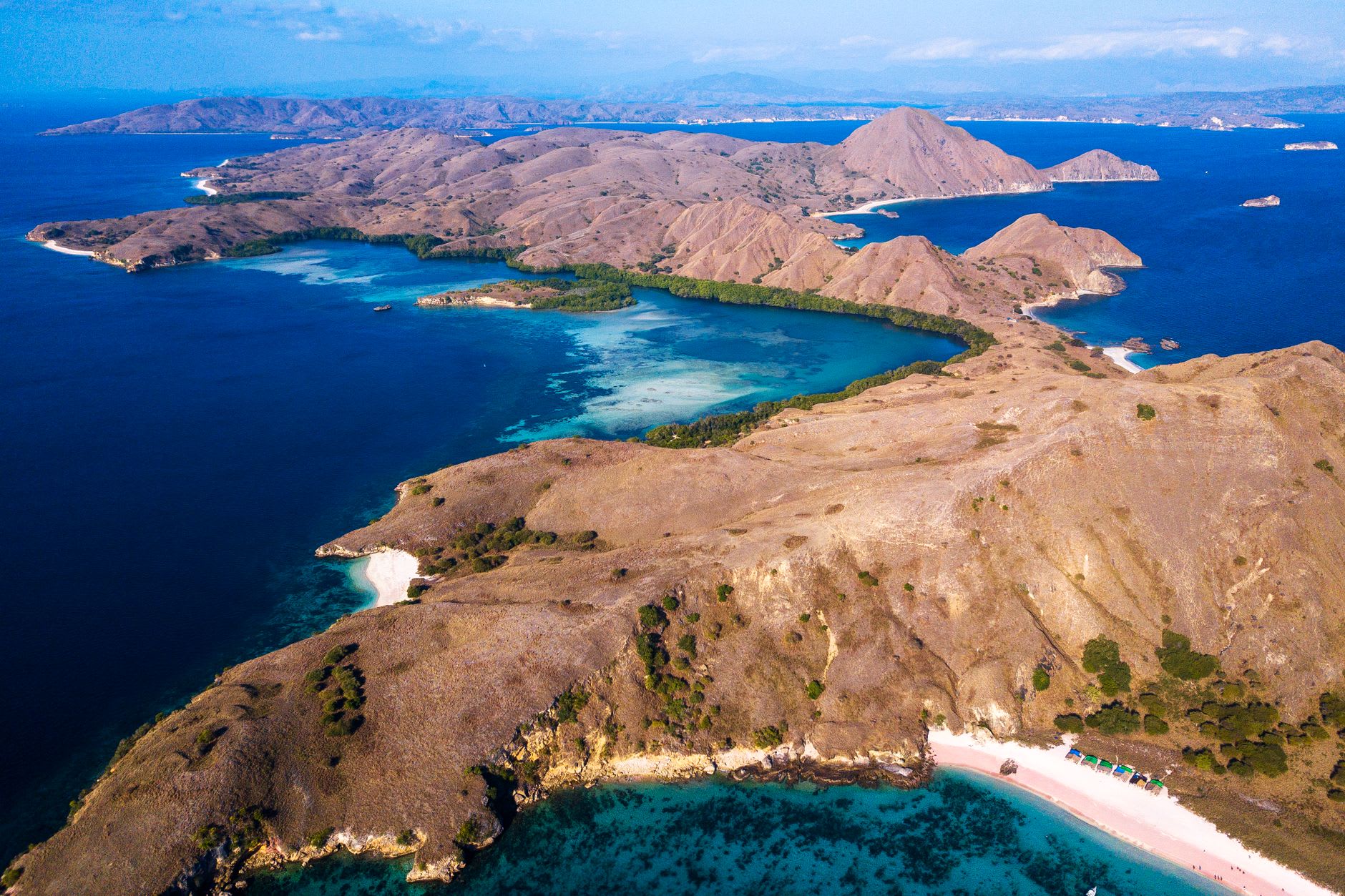
We had the sandbar to ourselves for perhaps twenty minutes before another boat arrived, and then a third, and the spell broke a little. It is no secret, this place, and on a busy day several boats share the strip at once. But timing is everything — arrive early or late and the magic of standing alone on a scrap of sand in the middle of the Flores Sea is entirely intact. We left reluctantly, salt-crusted and sun-stunned, and it remains one of my sharpest memories of the whole park.
When to go: April through November, the dry season, for calm seas and the best underwater visibility — manta sightings here are good year-round but the water is clearest outside the rains. Go on the early boat to beat the day-trip crowds, and check the tide, as the bar is biggest and most photogenic toward low water.