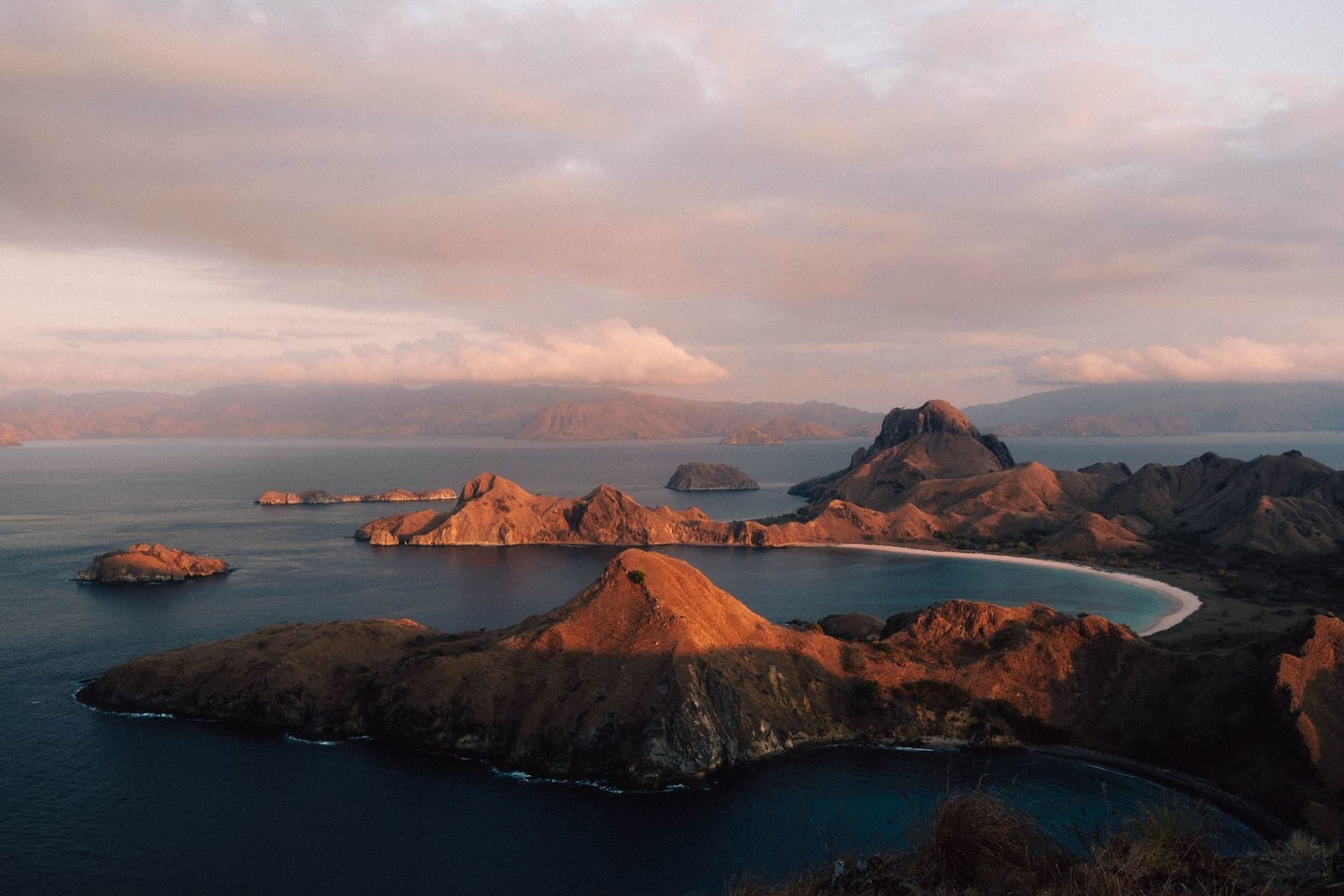
Rinca Island
"On Rinca, the silence between footsteps felt loaded — like the island itself was deciding something."
The boat captain told me that most people go to Komodo and skip Rinca. This was his way of recommending Rinca. He had been running the waters of this national park for fourteen years, and he spoke with the quiet confidence of someone who has watched the tourist patterns long enough to know which current to avoid. We anchored at Loh Buaya bay in the mid-morning, a few small boats already there but nothing like the fleets that were probably arriving at Komodo’s Loh Liang at the same moment, and I stepped onto the dock into heat that was already serious at nine o’clock.
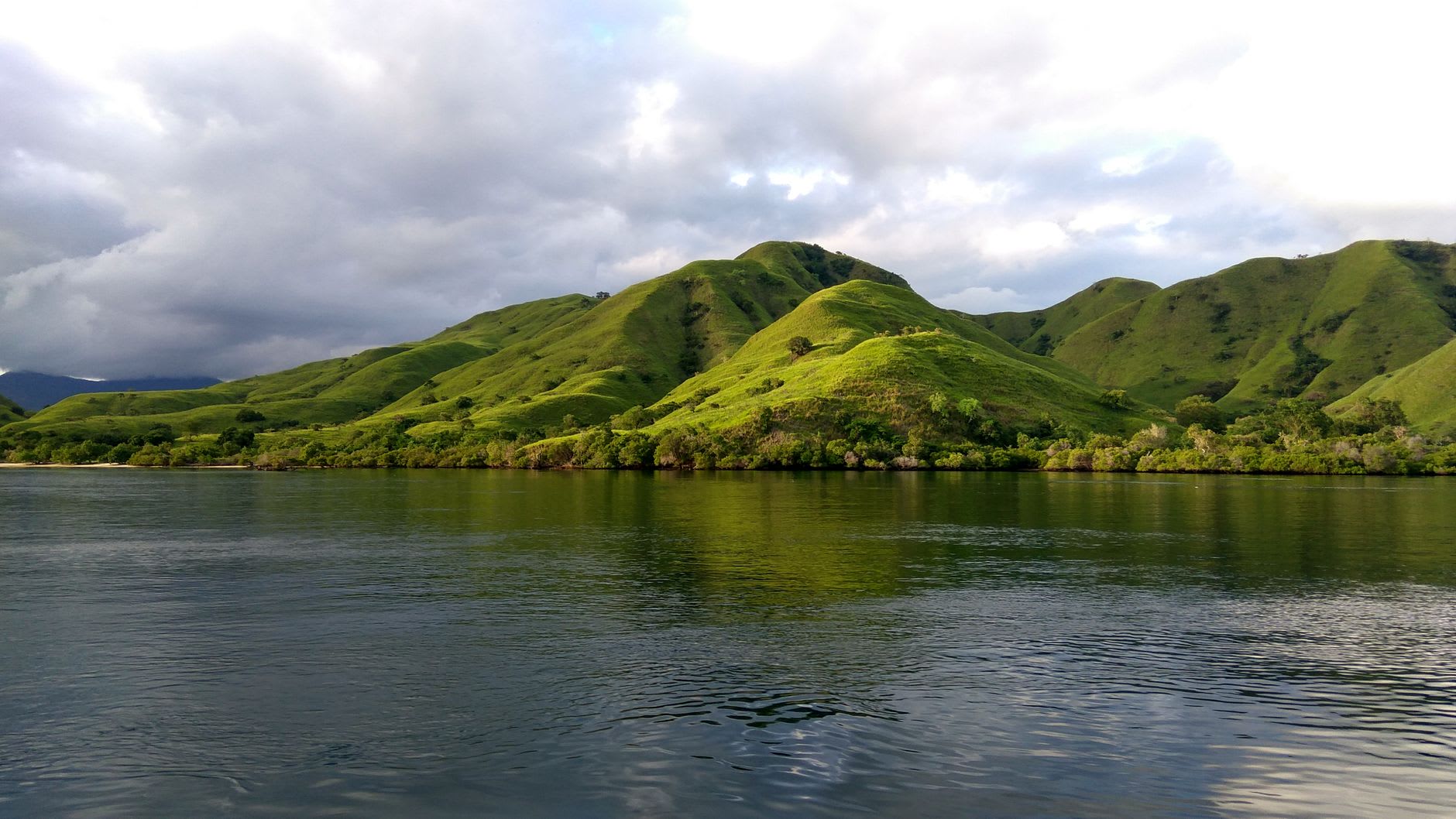
Rinca is the second-largest island in Komodo National Park and home to a significant population of dragons — though by some estimates, more per square kilometer than Komodo itself. The terrain is drier, more dramatic, the hills steeper and more articulated. The savanna here has a quality of being lit from inside, the golden grass catching the morning sun and holding it. The ranger who led our group moved with an unhurried competence, pointing things out with the forked stick that serves as both guide marker and, if necessary, distraction tool — not a weapon, he stressed, just something to redirect the animal’s attention.
We encountered our first dragon within ten minutes of starting the medium trek — a large female near the dry riverbed, moving with that strange rolling gait that makes them look mechanical, like something built for a different purpose than walking. She crossed our path at a measured distance, tongue testing the air, indifferent to us in a way that was more unsettling than aggression would have been. The ranger held the group still. Nobody spoke. The silence in those seconds was remarkable: just wind in the grass and the sound of the dragon’s body moving through it.
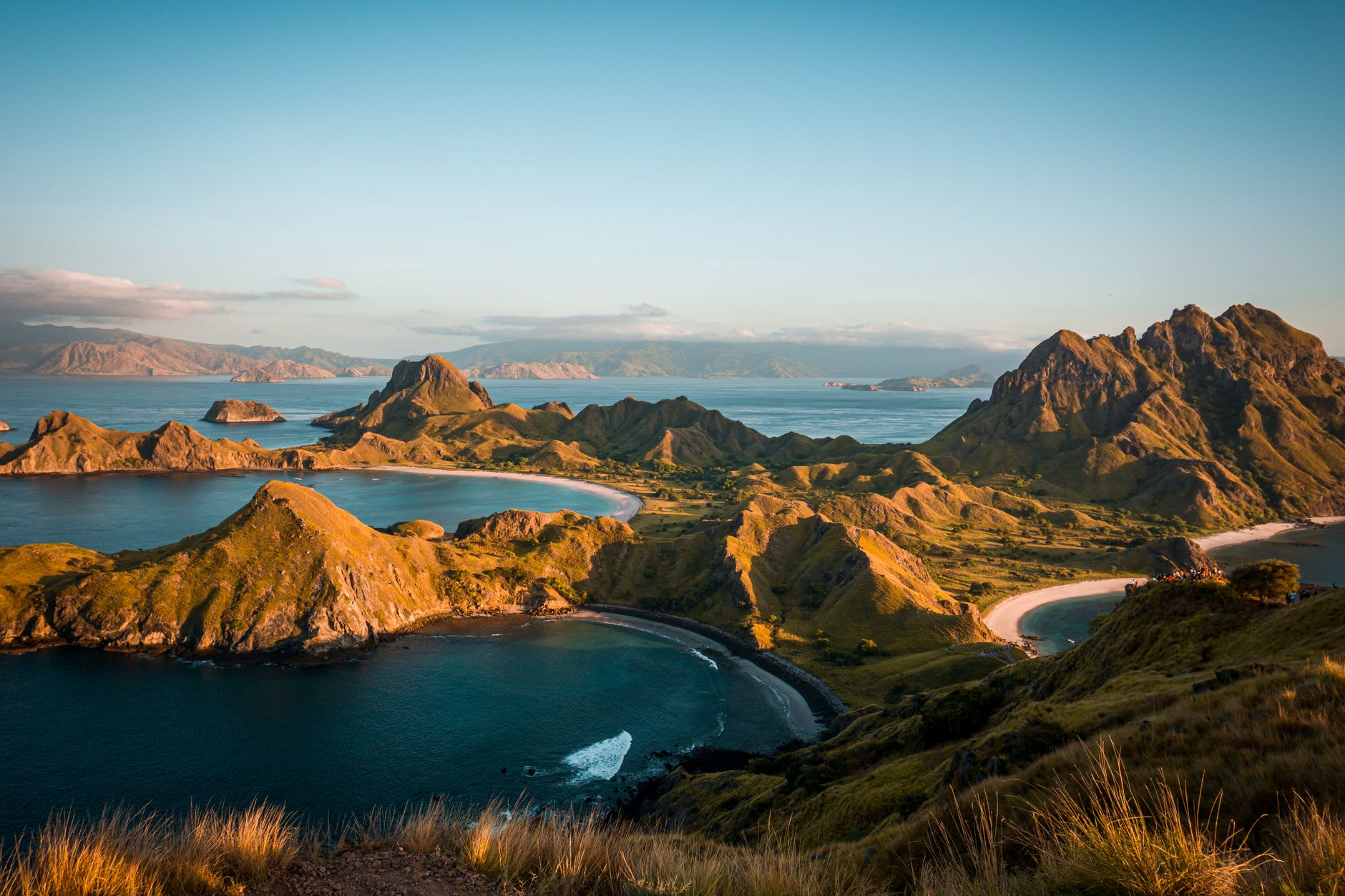
The trails at Rinca extend from short loops around the ranger station to longer treks into the interior that take three to four hours and cover genuinely remote ground. On the long trail, the landscape opens up onto ridgelines with views across the strait to the other islands of the park — Komodo to the northwest, Padar’s jagged silhouette to the south. The heat by midday is formidable; I drank nearly two liters of water on the long trek and still felt the edge of it. Bring more than you think you need.
What Rinca gives you that Komodo cannot quite replicate is a quality of aloneness with the wildness. There were perhaps fifteen other visitors on the island the day I was there, spread across different trails. At one point on the long trek we encountered a dragon eating — a deer it had caught, the kill recent enough that vultures were still circling — and we stood watching for perhaps five minutes with nobody else around. Just the dragon, the kill, the circling birds, and the still heat of the mid-morning. The ranger watched the dragon, not us. We watched the dragon. The dragon did not watch anything in particular. It was already finished watching.
When to go: Rinca is accessible year-round but the dry season from April to October gives the best conditions for trekking — the dry grass makes dragon spotting easier, the trails are firm, and the views from the ridgelines are clear. Arrive at Loh Buaya before 10am to catch the dragons most active in the cooler morning hours.