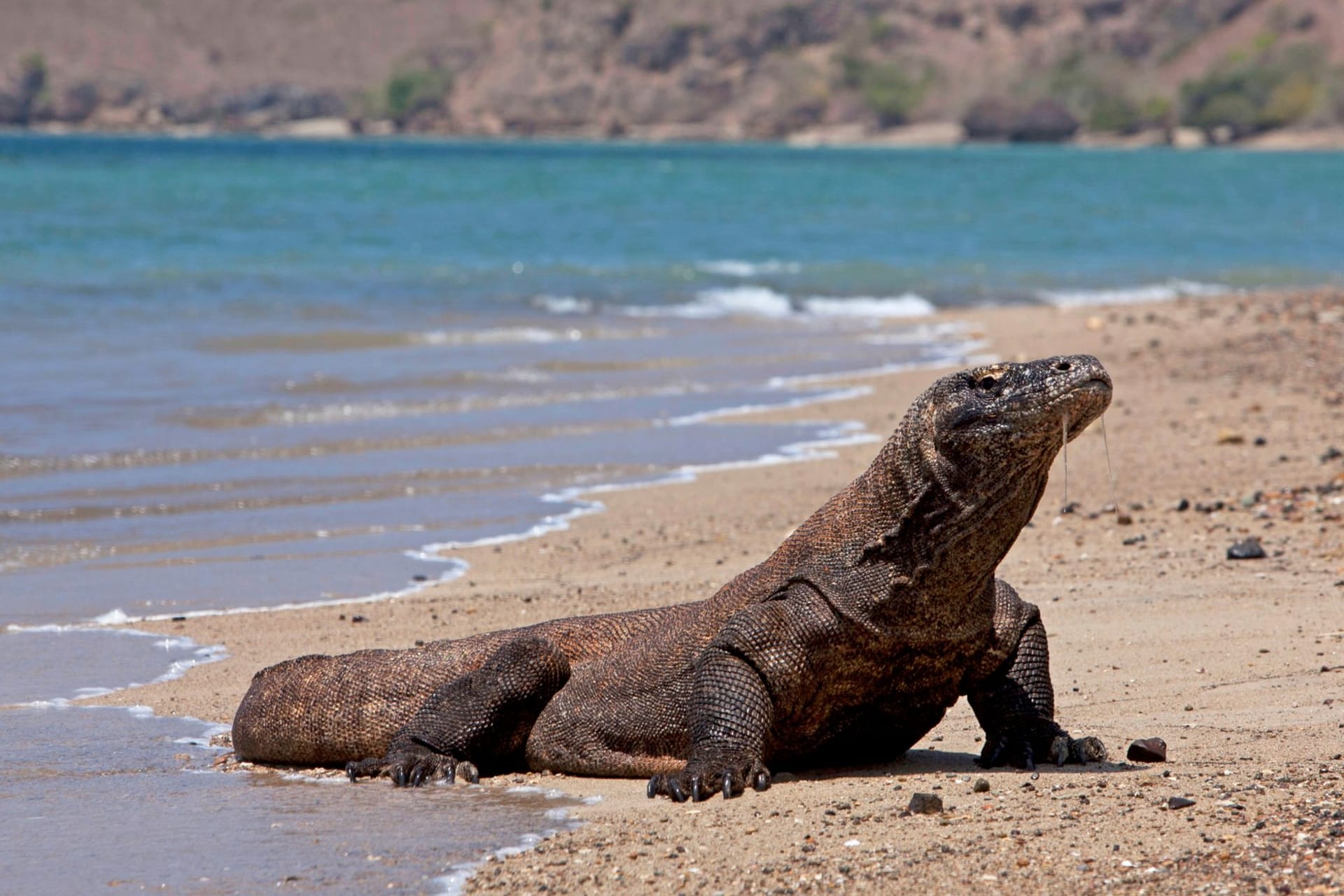
Pink Beach
"The pink is real — not a filter, not a lie. I checked with my own feet at 6am before anyone else arrived."
I had been warned about the color being overhyped. Someone on a dive boat the night before had shrugged and said, “It’s not that pink.” They were wrong. I arrived at Pantai Merah in the early light before any other boat had dropped anchor, and the sand was unmistakably, specifically, deeply pink — not salmon, not peachy, not what-you-might-call-pink, but the real thing. I took off my shoes and pressed my feet into it and still half-expected it to wash away. It didn’t. The color comes from crushed red coral fragments mixed into the white sand, and the ratio here happens to produce exactly the right hue. The sea in front of it was the kind of turquoise that makes you want to name a paint after it.
The walk down from the boat landing took about five minutes along a path where frangipani trees leaned over the trail and the air smelled of salt and something faintly sweet. The beach itself curves in a gentle crescent, backed by dry hills covered in lontar palms and dead-looking scrub that turns bright green for about six weeks each year when the rains come. In the dry season — which is when you should be here — those hills are the color of old hay, and the contrast with the water is almost violent.
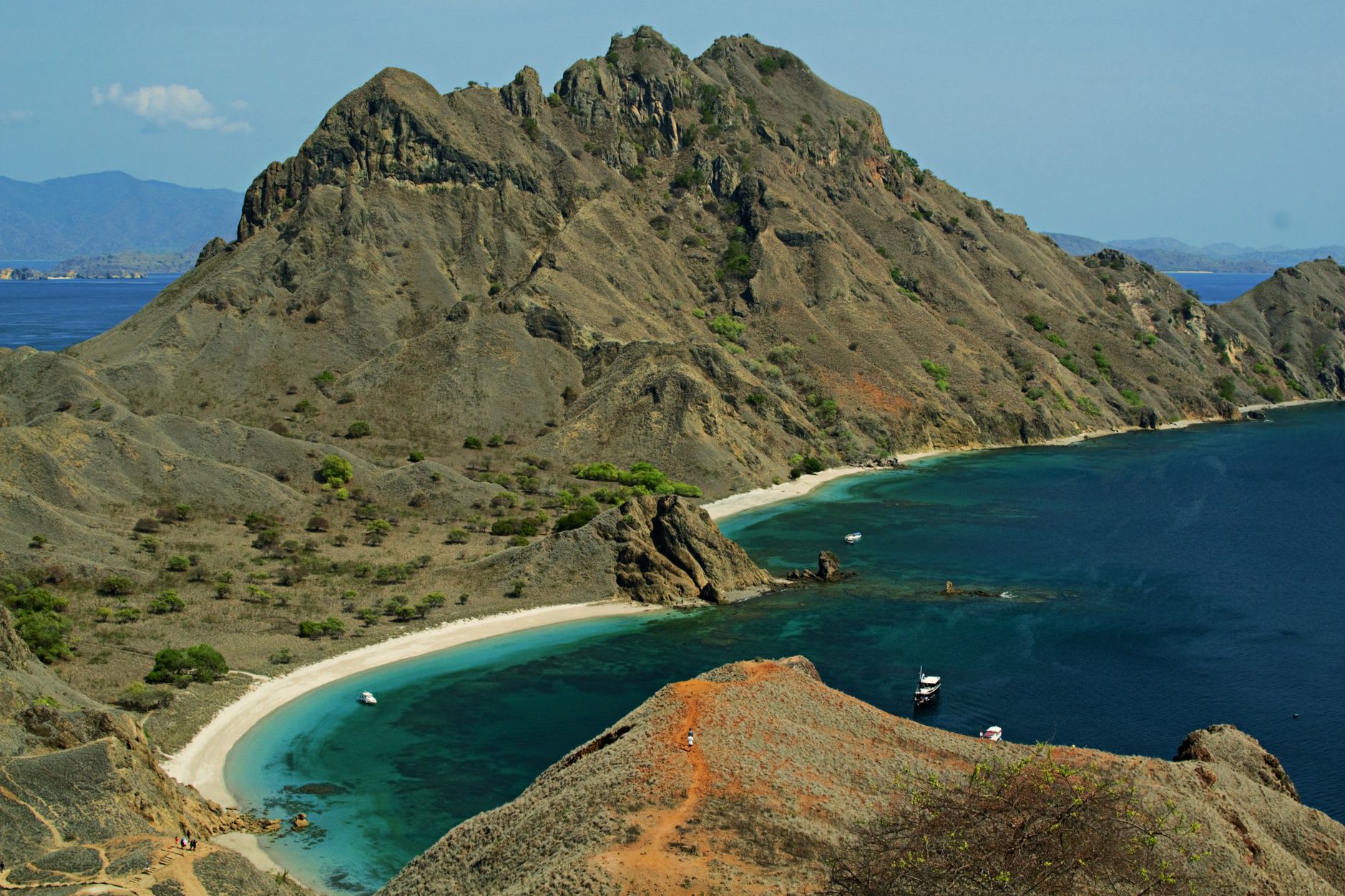
I spent two hours in the water that morning. The snorkeling here is not the best in the park — that distinction belongs to Crystal Rock or Batu Bolong where the currents are strong and the fish life denser — but it is accessible and gentle, with shallow coral gardens that a non-diver can appreciate without fins. I saw a small octopus pulling itself between rocks, a turtle sleeping on a coral head, and a school of parrotfish moving through like a slow, bright thought. The water temperature was lower than I expected, that cold upwelling from deep channels that feeds all of this, and after an hour I got out and sat on the pink sand and ate a banana that had gone slightly soft in my bag.
By nine in the morning the first day-trip boats had arrived and the beach was no longer mine. The contrast was sharp — the boats’ speakers playing pop music, the selfie sticks extending, the identical photographs being taken from the same spot at the water’s edge. I do not begrudge anyone their version of this place. But I had already had mine.

There is a small vendor area above the beach where women from the local village sell trinkets and cold drinks out of iceboxes, and I bought a coconut and sat in the shade of a tarp while a goat wandered past. A ranger walked the shoreline every hour. This is still a protected zone, which means no taking sand, no standing on the coral, and no collecting shells. The rules are enforced politely but seriously. The place exists in this condition because of that enforcement, and it shows.
When to go: April through November for dry conditions, calm seas, and clear water. Go at dawn — arrive before 7am and you will have it largely to yourself. By 9am it gets crowded. Bring snorkeling gear even if you are not a diver; the shallow reefs reward it.