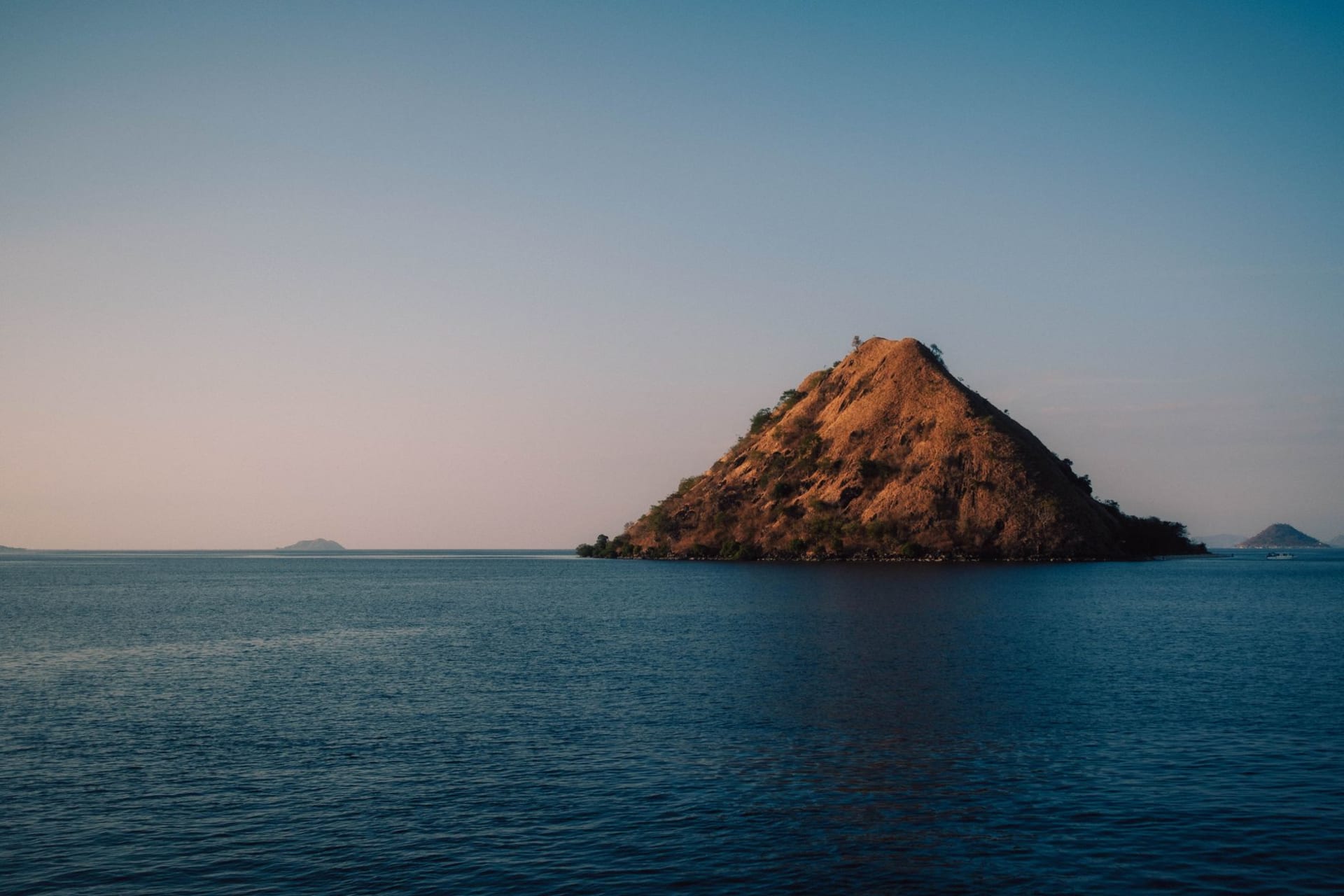
Kalong Island
"The sound of a million wings deciding to leave at once stays with you longer than you expect."
The boat engines cut out about two hundred meters from the island and we drifted in silence in the water’s reflected orange while we waited. It was twenty minutes before sunset, and the island ahead was dense with mangroves that came down to the waterline, their roots tangled into the sea. From a distance Kalong looked unremarkable — a dark green mass, low, unremarkable in silhouette. Then the light reached a certain angle and you could see them: thousands of dark shapes hanging from every branch, roosting, turning in the heat, their leathery wings folding and refolding.
Kalong is named after the Malay word for flying fox, the enormous fruit bats whose colony on this small island in the northern part of Komodo National Park numbers in the hundreds of thousands and possibly more. Every evening at dusk they leave. All of them. At once. The departure takes about forty minutes from first flier to last, but the real event is the first ten — when the colony hits some communal threshold and the island simply empties into the sky with a sound that is part wing-beat, part wind, part something that doesn’t have a word.
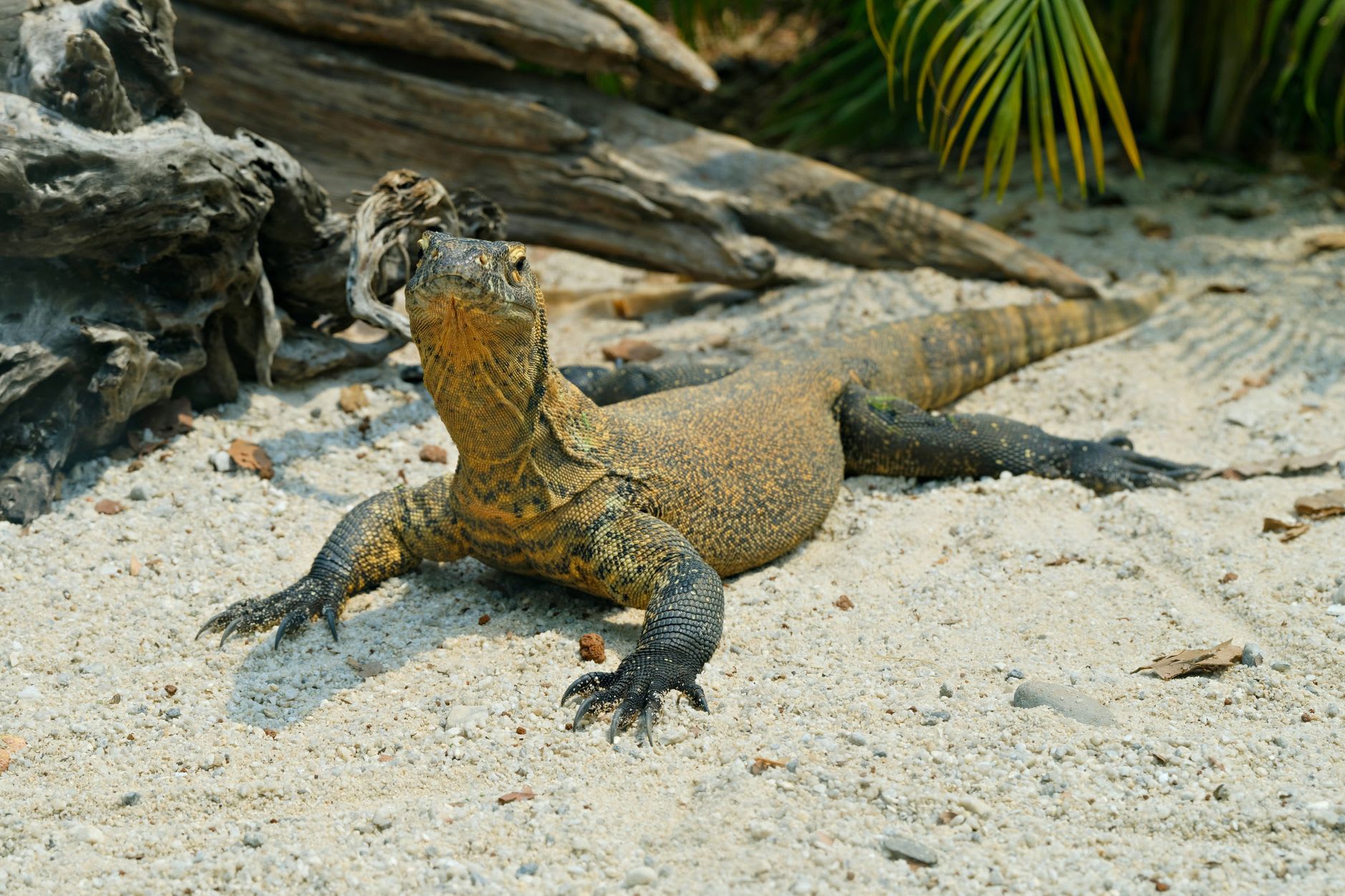
I had read that the wingspan of a Kalong flying fox can reach one and a half meters. Seeing them silhouetted against the sunset made this figure make sense in a way that reading it had not. These are not small animals. They cross the sky in long, purposeful arcs, wings working steadily, heading for fruiting trees on Flores and the other islands. They will return before dawn. The same circuit has been running here for longer than anyone can document.
The smell arrived before the sound — a warm, musky, organic smell that is not unpleasant but is impossible to mistake for anything else. The guide in our boat said it was the guano on the mangrove roots, years of accumulation creating a particular ecosystem that feeds the mangrove trees and, through them, the fish that shelter among the roots. The flying foxes make the island what it is in every direction, including underwater.
When the main wave of bats cleared the canopy, the sound was something between a sustained exhalation and a percussion section without a beat — thousands of pairs of wings at different frequencies, filling the air and then thinning as the animals dispersed into the sky. The stragglers came last: lone individuals, smaller juveniles, one elderly-looking bat who made three false starts before finally committing to the evening. By the time the sky was fully dark, the island was silent. The mangroves had returned to their nighttime task of simply being water and roots and time.
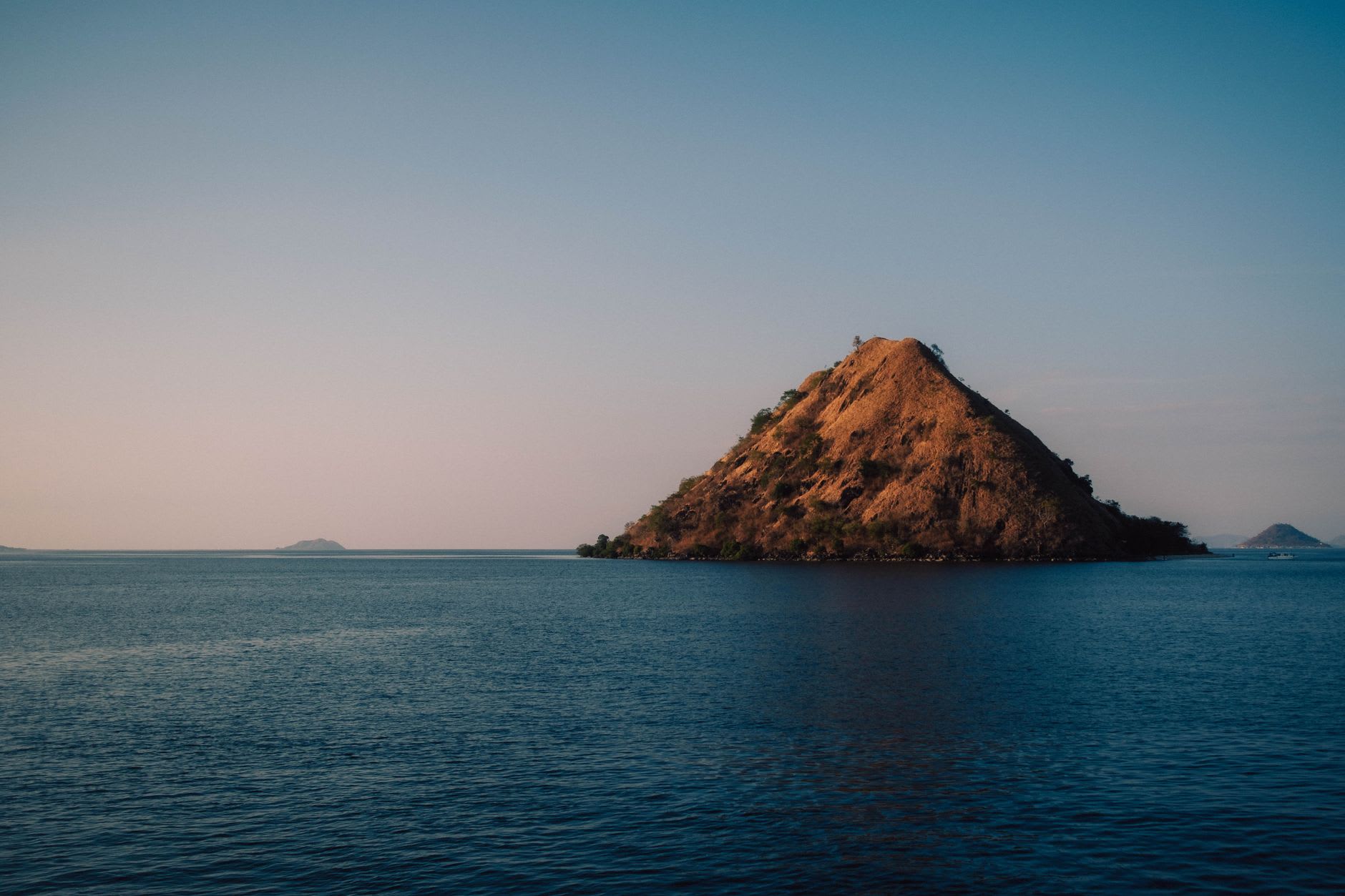
We ate dinner on the boat afterward, anchored in the dark between islands with the lights of Labuan Bajo visible on the horizon. Someone had brought a small speaker and there was Indonesian pop music and reheated curry and a conversation that kept returning to the flying foxes — their scale, their smell, the specific quality of the sound they made leaving. Some experiences are hard to talk about directly. You approach them sideways.
When to go: The flying fox exodus happens every evening year-round, reliably at dusk. Time your boat to arrive thirty to forty minutes before sunset to watch the colony in full roost before departure. Most liveaboards and day-charter boats include Kalong as an evening stop on the return from dive sites — ask your operator to factor it into the itinerary.