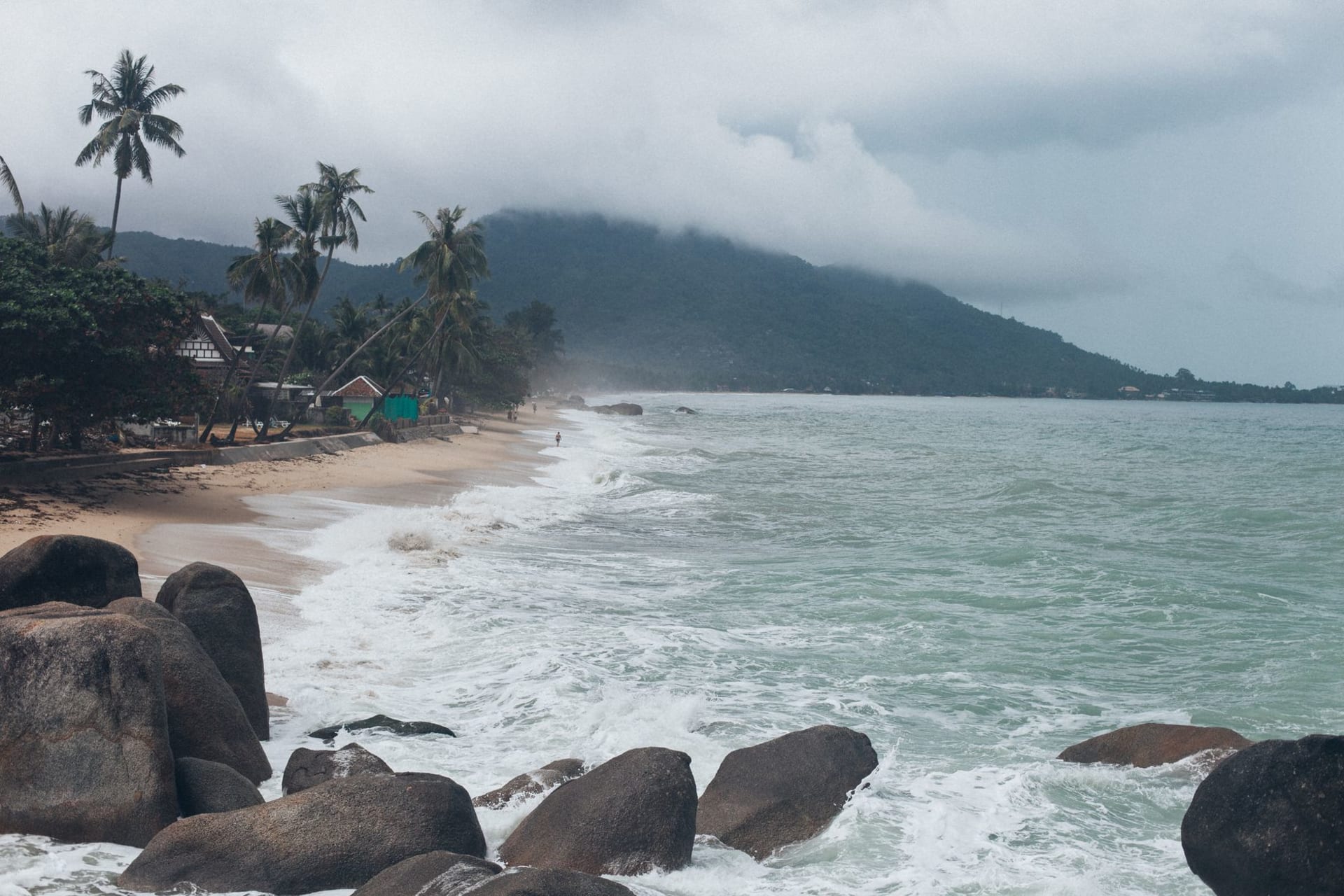
Asia
Koh Samui
"I came for a week and started pricing long-term rentals by day three."
An island that traded its coconut plantations for infinity pools but still serves the best som tam you'll eat standing up, barefoot, at a roadside cart.

I arrived at Koh Samui on a night ferry from Surat Thani, the kind of crossing where you sleep on a mat on the deck and wake up to the smell of diesel and frangipani mixed together. The island materialized out of the dark as a ridge of palms backlit by the first light, and even before I stepped off the gangplank I could feel it was somewhere that asked very little of you, which after six weeks moving hard through the peninsula, was exactly what I needed.
The tourist brochure version of Koh Samui is Chaweng Beach — loud bars, inflated prices, sunburned Europeans on rented scooters. That version is real and fine to ignore. The version I kept returning to was everything just slightly off that axis: the morning market in Nathon where the ferry workers eat before dawn, khao tom with salted egg and bitter melon at a folding table that costs less than a cup of airport coffee. The fishermen’s villages on the north coast where the roads narrow to single file and the guesthouses have not yet discovered the word “boutique.” The interior of the island is almost never mentioned in guides — but climb up toward Khao Pom and you get jungle, waterfalls, and a quiet that feels earned. Mae Nam and Bophut on the north shore move at a pace that Chaweng never managed: night market on Fridays, the smell of grilling moo ping drifting across the fishing pier, cats sleeping in restaurant chairs.
The food is the real anchor. Southern Thai cooking is angrier than the central stuff — more turmeric, more shrimp paste, more heat that arrives in waves rather than a single slap. Koh Samui sits in that tradition and adds the coconut-sweetness the island has grown for centuries. The green curry here has a specific density to it, almost creamy, that I have not found anywhere else. Order it somewhere that has a handwritten menu in Thai and a television playing a soap opera. That is the reliable heuristic.
When to go: December through February is the sweet spot — dry season on the Gulf of Thailand side, temperatures that allow actual walking around, and the island at its most lush after the rains. Avoid October and November when the northeast monsoon rolls in heavy; it is not just rain, it is the kind of storm that grounds ferries for days.
What most guides get wrong: They treat Koh Samui as a beach destination when it is really a food and slow-travel destination that happens to have beaches. The two or three days people allocate to it as a stopover before the Koh Tao diving trip is the wrong frame entirely. Give it a week, rent a motorbike, eat badly on purpose at the wrong hours, and you will find a different island than the one in the photographs.
Explore
Places in Koh Samui
 koh-samui
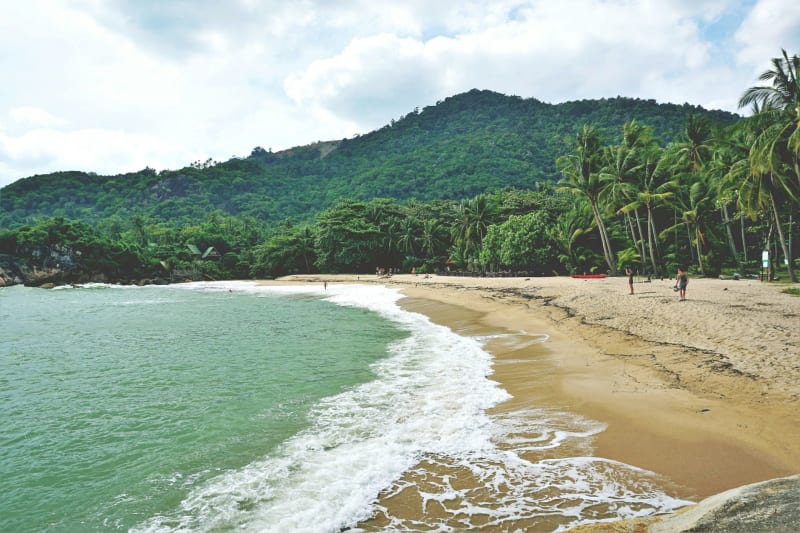
 Ang Thong National Marine Park
An archipelago of 42 limestone islands an hour from Koh Samui — the landscape that made Alex Garland put down his notebook and start inventing.
Explore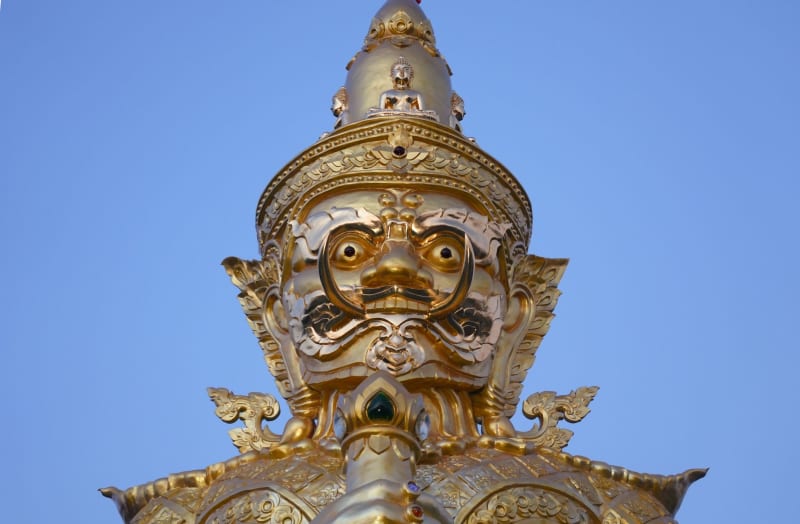 koh-samui
 Big Buddha Temple (Wat Phra Yai)
A twelve-metre golden Buddha visible from the ferry — and a temple complex that rewards the visitors who arrive before the tour buses.
Explore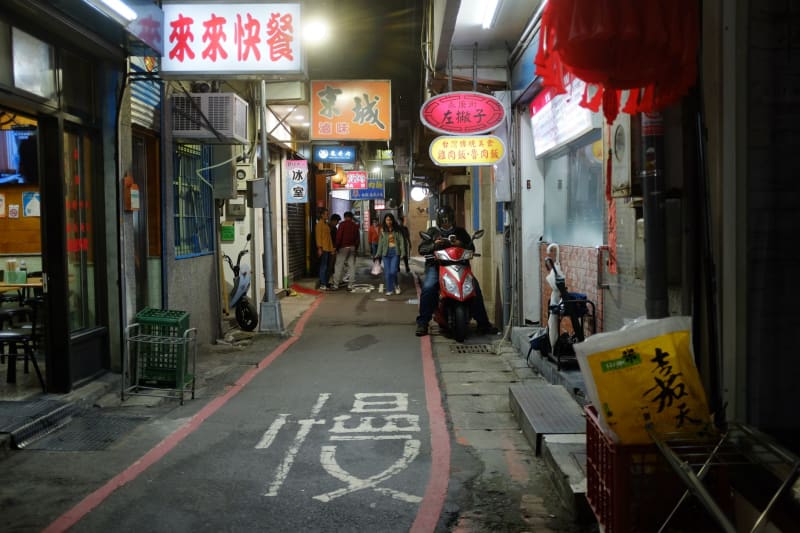 koh-samui
 Bophut Fisherman's Village
A strip of century-old Chinese shophouses on the north coast where the Friday night market smells like everything you came to Thailand for.
Explore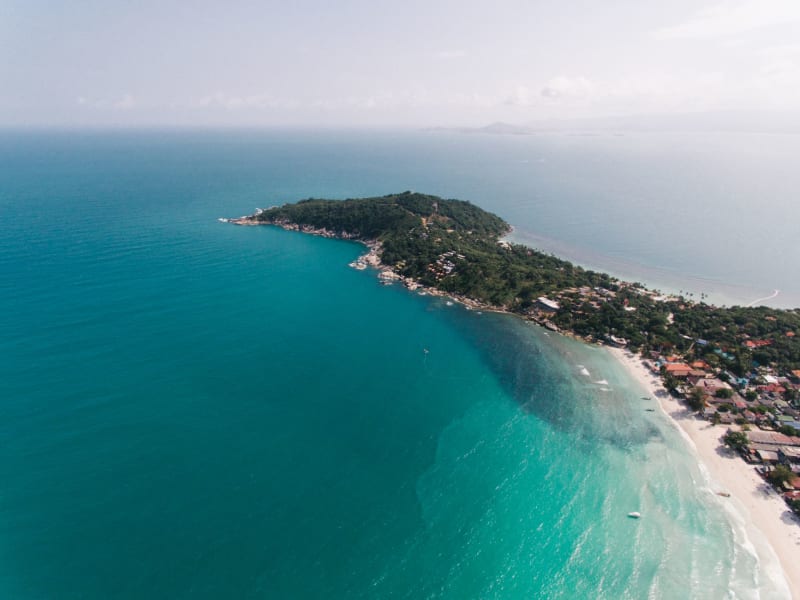 koh-samui
 Chaweng Beach
Koh Samui's loudest mile of sand — best appreciated at dawn, before the world wakes up and reclaims it.
Explore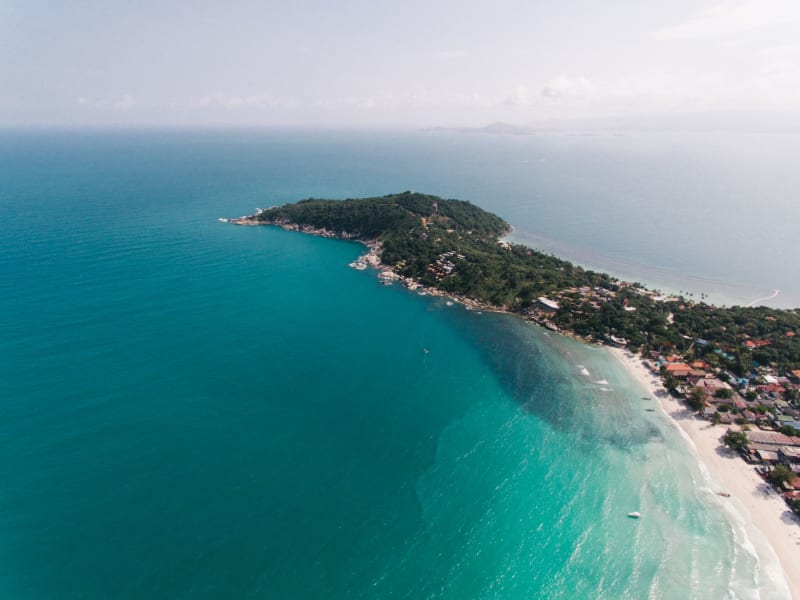 koh-samui
 Chaweng Beach
Samui's loudest kilometre — learn to read it on its own terms and it stops being the problem.
Explore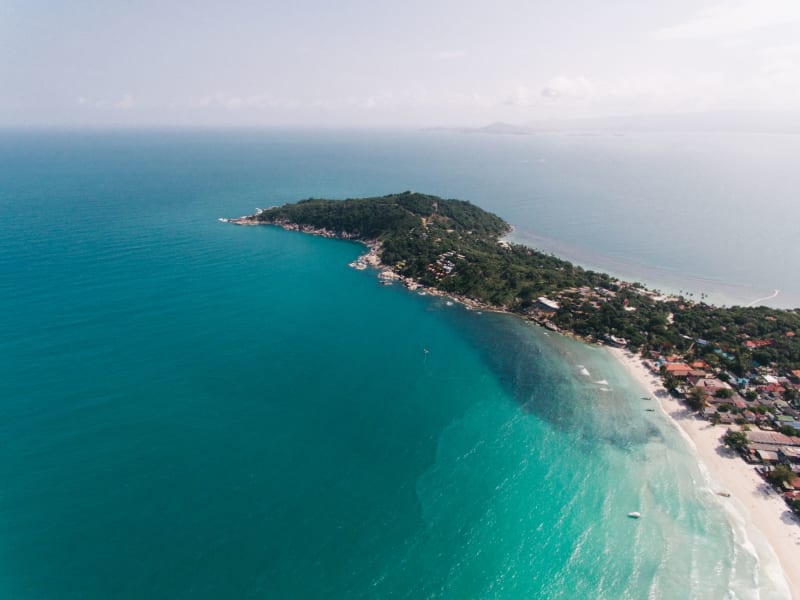 koh-samui
 Choeng Mon Beach
The quiet northeast corner that the Chaweng crowds haven't found — a crescent of soft sand where the pace drops to almost nothing.
Explore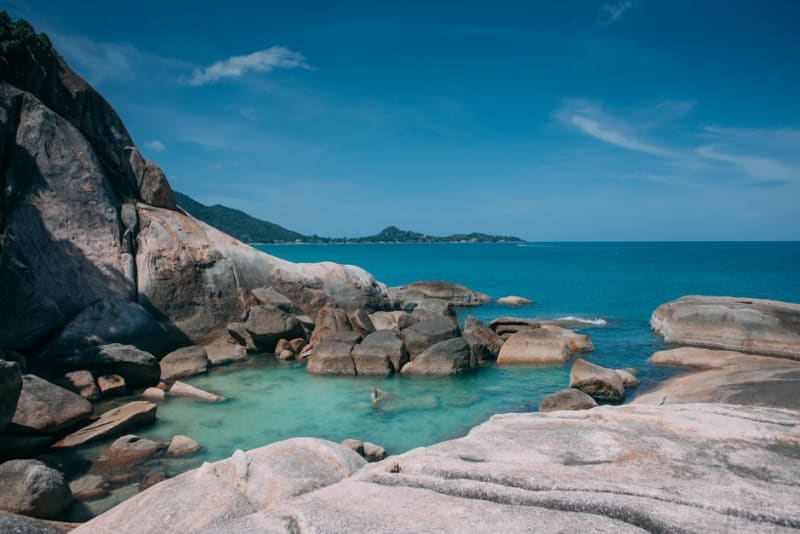 koh-samui
 Hin Ta Hin Yai (Grandfather and Grandmother Rocks)
A pair of wind-carved granite rocks on Lamai's coast, blushing anatomically and wrapped in a tender local legend.
Explore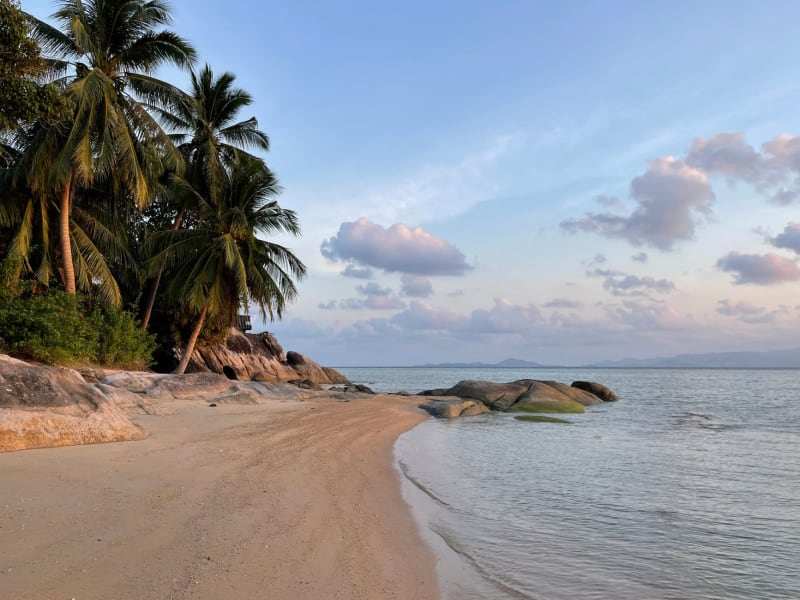 koh-samui
 Lamai Beach
Samui's second beach never quite became the first, and that restraint is exactly what makes it worth choosing.
Explore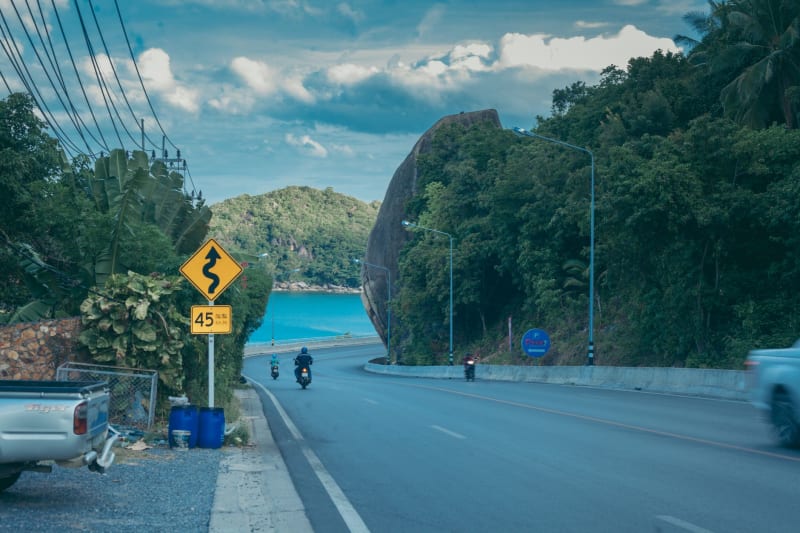 koh-samui
 Mae Nam
The north shore beach that moves at the pace of the tide, where the guesthouses are old and the evenings have nowhere to be.
Explore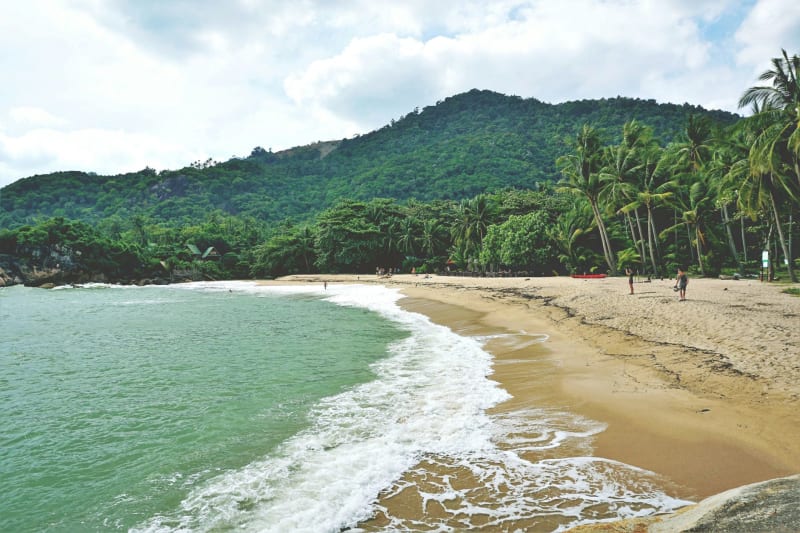 koh-samui
 Na Muang Waterfalls
Two falls hidden in Samui's jungle interior, where the island stops performing and lets the real landscape in.
Explore koh-samui
 Nathon
Samui's unglamorous working capital — where the ferries dock, the civil servants eat, and nobody is pretending to be on holiday.
Explore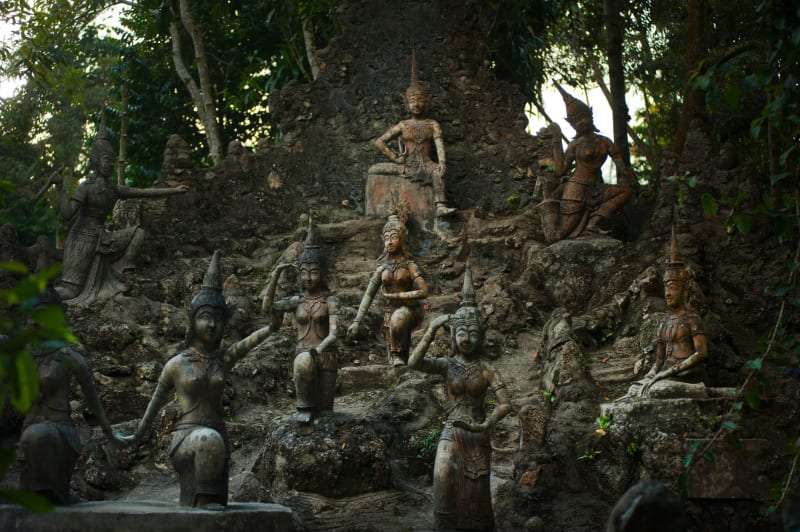 koh-samui
 Secret Buddha Garden
A hidden hillside shrine deep in Koh Samui's jungle interior, where one old durian farmer spent decades scattering stone statues among the boulders and streams of the island's highest slopes.
Explore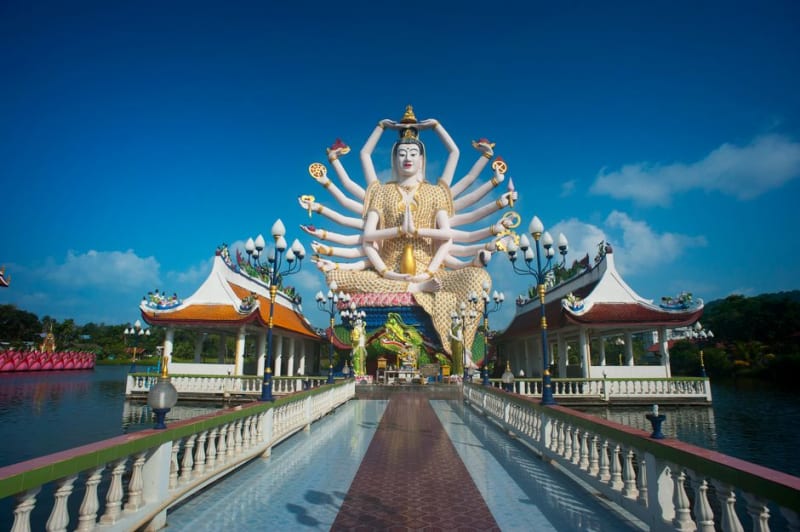 koh-samui
 Wat Plai Laem
A lakeside temple where an 18-armed Guanyin rises from still water and a golden Maitreya laughs at the sky.
Explore