Betio
"The tide goes out and you find tank traps. The tide comes in and everything disappears again — that's how memory works here."
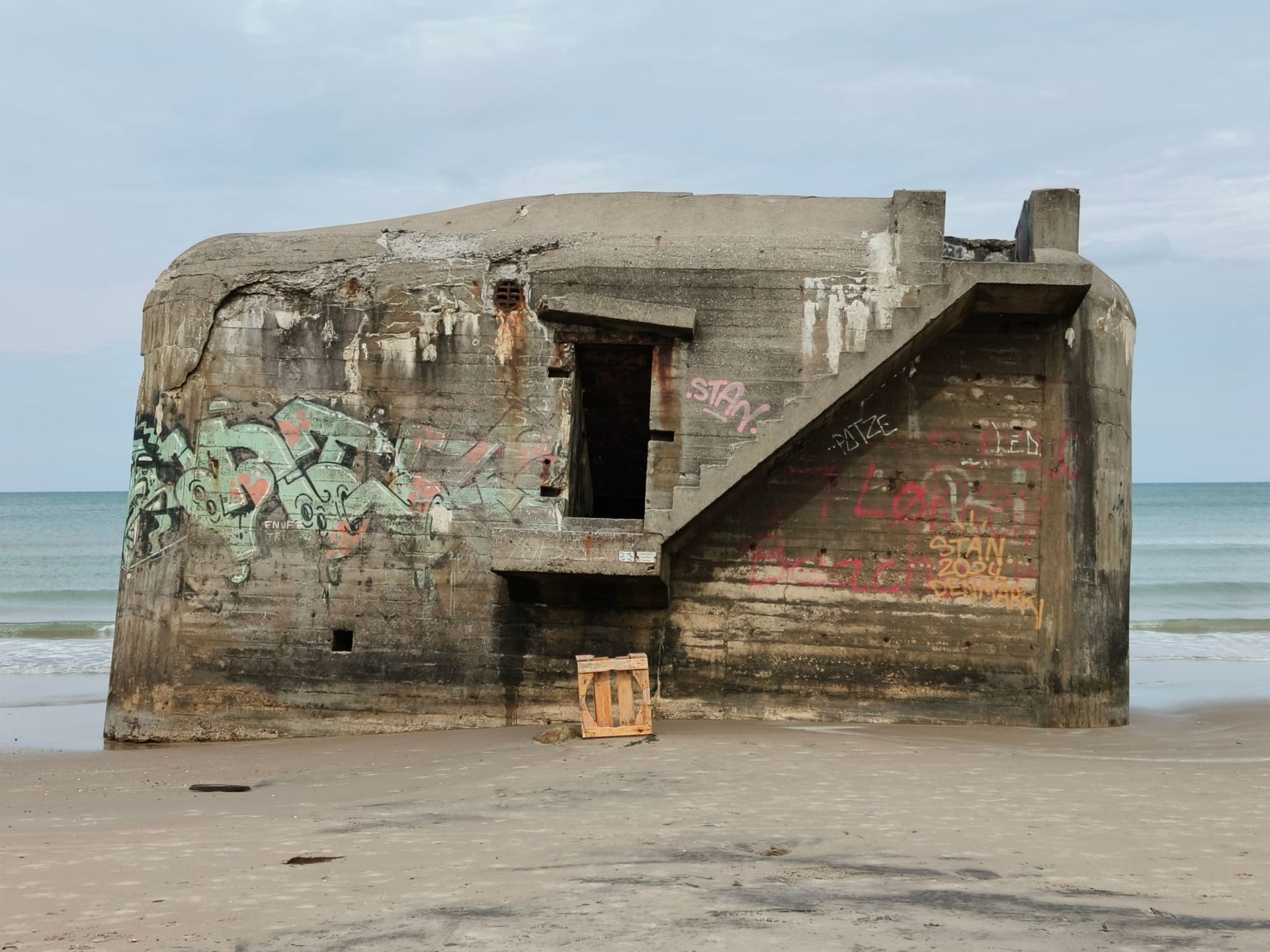
I had not been in Betio an hour before I found the first gun. It was a Japanese shore battery emplacement, half-buried in the sand at the western tip of the island, its barrel still pointing vaguely seaward as though waiting for orders that would never come. The Pacific lapped around it at low tide, and a couple of kids were using it as a diving platform, cannonballing into the shallows. History here is not preserved behind glass. It is in the ground, in the water, in the coral heads where corroded metal has been subsumed into the reef over eight decades. You step on it without knowing, and then you look down.
The Battle of Tarawa in November 1943 lasted seventy-six hours and killed over a thousand American Marines and nearly five thousand Japanese soldiers in an area roughly the size of the Vatican. The numbers are so compressed — so many dead in such a small space — that they still feel impossible to properly hold. There is a small memorial near the beach, and the island has a cemetery, but mostly what marks what happened here is the landscape itself: tank traps on the reef flat, a destroyer wreck visible from the shore, and the occasional piece of metal that the ocean occasionally offers up and then takes back.
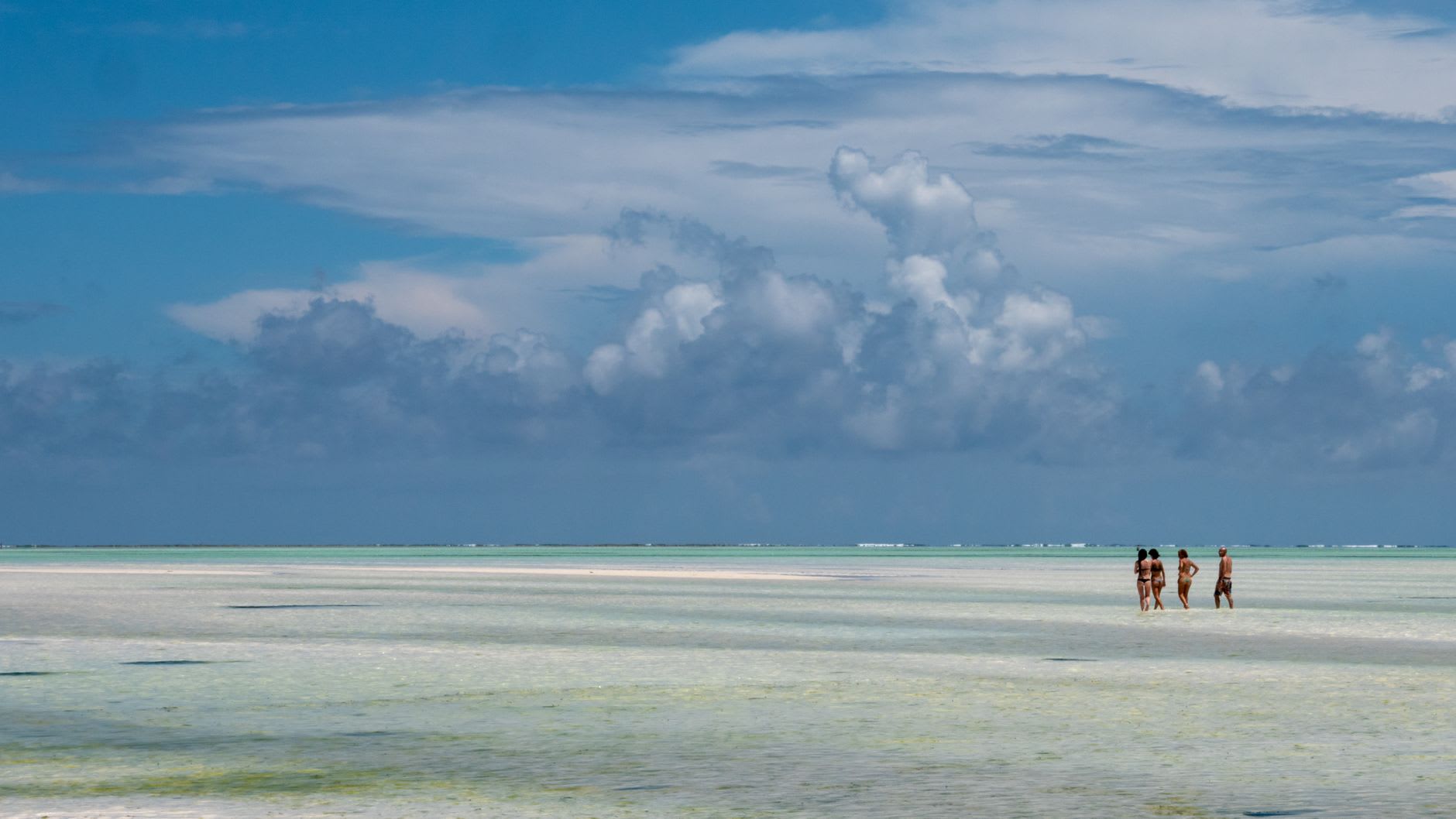
What surprised me about Betio was how alive it is under all that weight. This is the busiest district in Kiribati — the port is here, the main fish market is here, and Chinese fishing trawlers sit at anchor in the harbor in numbers that tell their own geopolitical story. The morning market runs before six, when the air is still cool enough that you can actually smell the fish before you hear the noise of the transaction. Men unload yellowfin and skipjack into crates of ice, and the women who buy in bulk drive hard bargains in I-Kiribati that I couldn’t follow but that clearly worked, given how much moved and how quickly. I ate reef fish fried whole at a roadside counter and drank tea from a thermos a vendor had brought from home, and I thought about how ordinary a morning it was for everyone except me.
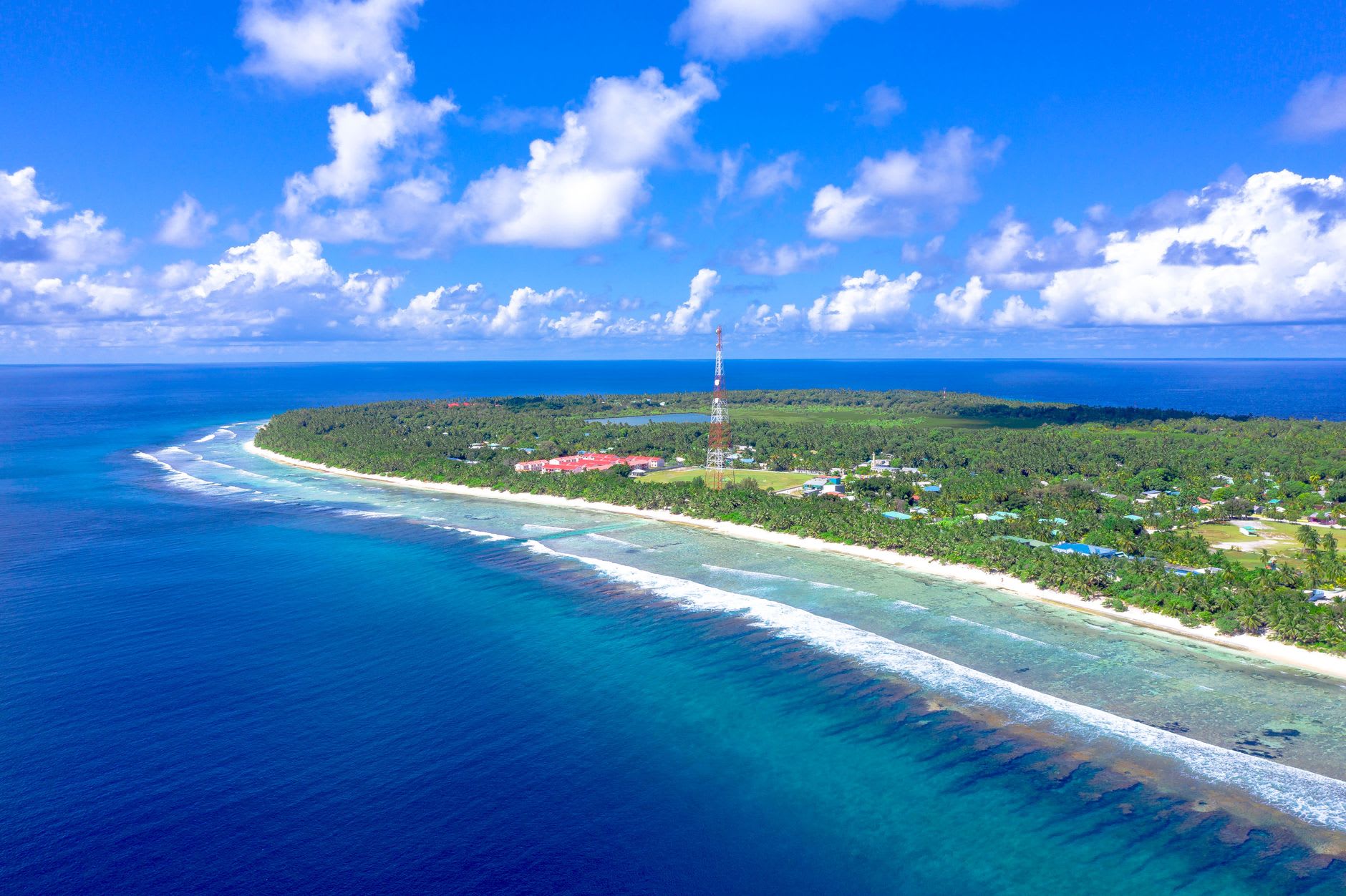
The seawall along Betio’s western shore is failing in ways that are documented, photographed, and debated in policy reports that the island’s residents largely have not read and cannot change. Standing at the wall at high tide, with water pushing through the cracks in the concrete and sending foam across the road, you understand why the conversation about climate change in Kiribati is not abstract. It is a logistics problem. It is a question of where you put the things you cannot move — the graves, the maneaba, the memories embedded in a landscape that is slowly being reabsorbed. I walked back past the Japanese gun at dusk and the kids had gone home. The gun sat in the shallows alone, the Pacific going dark around it, and I thought: this is what it looks like when something refuses to disappear.
When to go: April through October for calmer waters and better visibility on the reef flat. Visit the memorial in the early morning before the heat peaks. The fish market is most active before 7am.