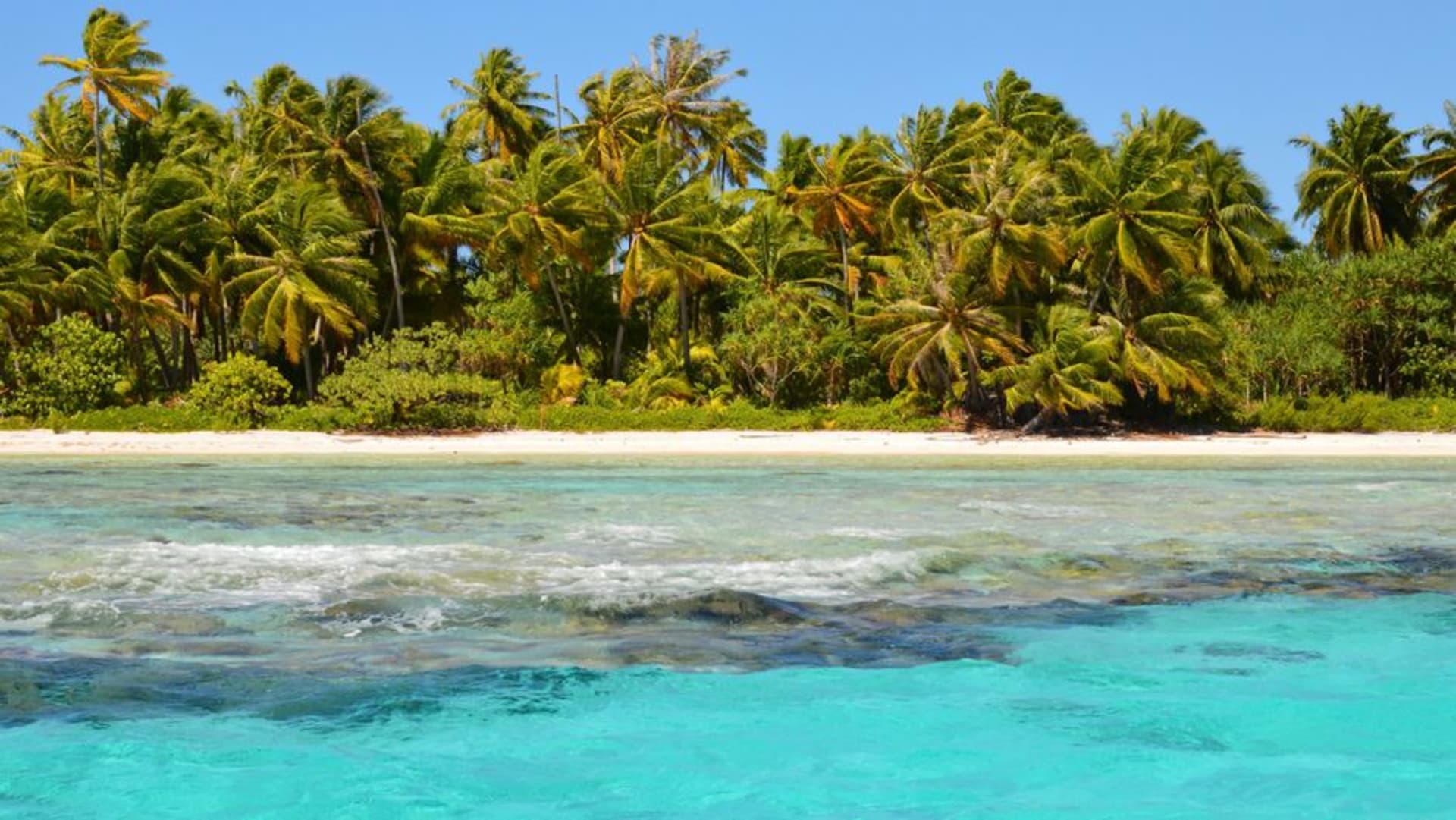
A raised coral island scraped hollow by nearly eight decades of phosphate mining, where the land itself is the argument for what colonialism costs.
Banaba doesn’t look like the rest of Kiribati, and that’s the point. Every other island I visited in this country is a thin ring of coral barely above the tide. Banaba is a raised limestone plateau, jutting up in the middle of nowhere between the Gilberts and Nauru, and for most of the twentieth century it was strip-mined for phosphate by the British Phosphate Commissioners until an estimated ninety percent of its surface was pitted, quarried, and hauled away as fertilizer for farms in Australia and New Zealand. I chartered a boat from Tarawa specifically to see it, a journey of over a day and a half across open ocean, and when I finally stood on the interior plateau looking at fields of jagged grey pinnacles where topsoil used to be, I understood why people describe this place in almost geological terms of grief.
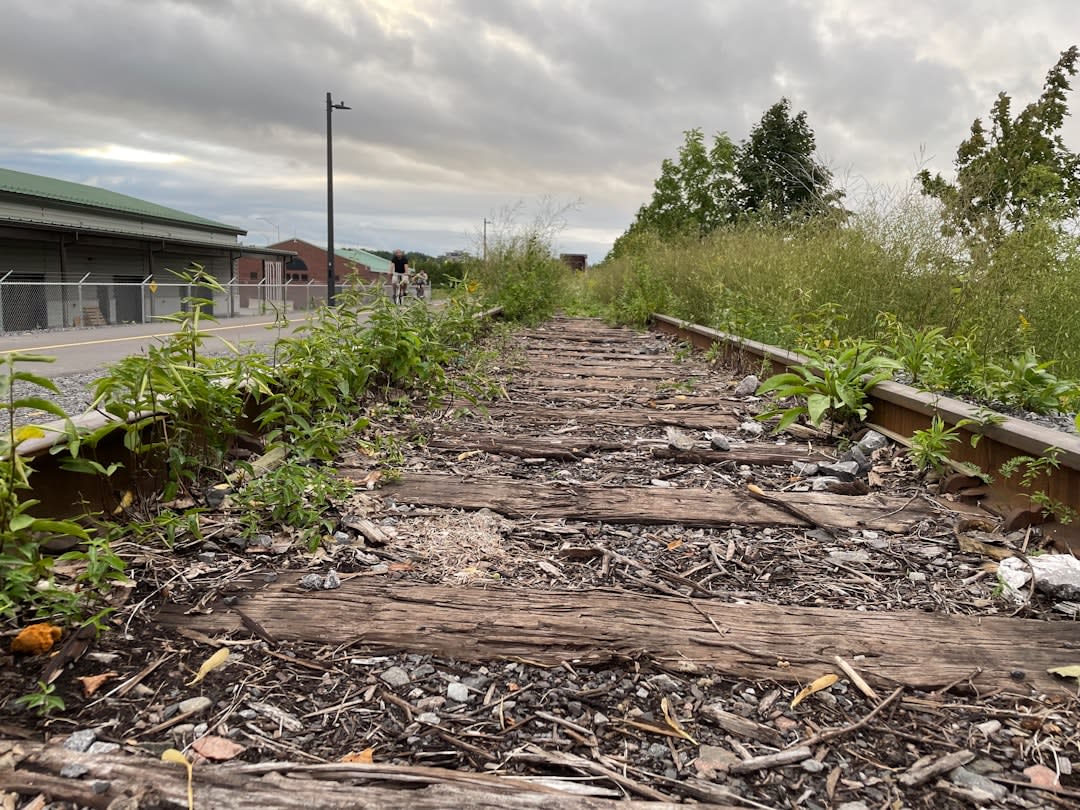
The Banabans themselves were relocated to Rabi Island in Fiji in 1945, a resettlement most of their descendants never fully returned from, and the population living on Banaba today is small — a few hundred people holding onto a homeland that was, quite literally, extracted out from under them. I stayed with a family near Tabiang village who were extraordinarily generous with their time despite having every reason not to be, given how many outsiders have shown up on this island purely to take something. We walked the old mining tramways together, rusted rail still visible in places, and my host pointed out where his grandfather’s house had stood before the company relocated the village to make way for extraction.
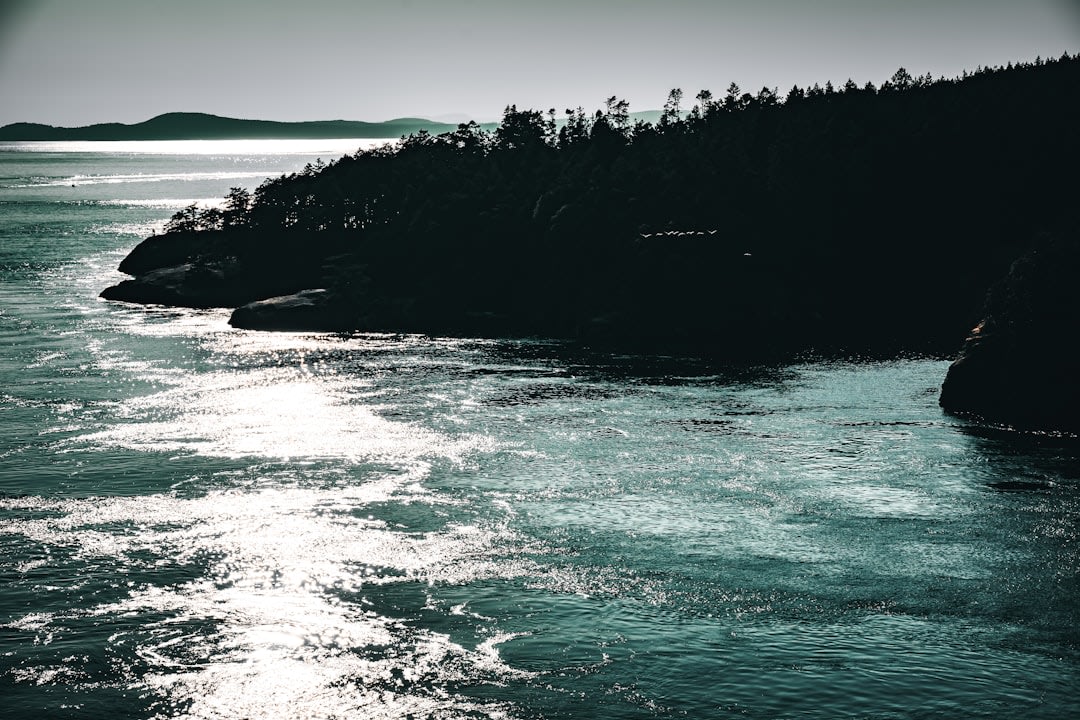
What struck me most was the coastline, which the mining never reached — sheer limestone cliffs dropping straight into deep water, utterly unlike the shallow lagoons I’d grown used to elsewhere in Kiribati. There’s a cave system near the settlement of Tabwewa considered sacred, tied to origin stories that predate the mining by centuries, and standing at the cliff edge at dusk with the Pacific swell detonating against rock forty meters below, I felt something closer to what I imagine Banaba meant before any of this happened.
When to go: Boat access is infrequent and weather-dependent; there’s no scheduled ferry, so arrange transport through the Betio port authority well in advance, ideally April through October when seas are calmer. There is no tourist infrastructure whatsoever — bring everything you need and arrange a homestay through community contacts before arriving.