Chemka Hot Springs (Kikuletwa)
"We came down from Kilimanjaro's shadow and found water the color of glass."
A turquoise oasis fed by volcanic springs and fig tree roots, hidden in the bush a couple hours from Moshi.
We’d been on the road for almost two hours from Moshi, bumping along a dirt track past Boma Ng’ombe, when our guide cut the engine and said, “Chemka is just through there.” I remember thinking it was a strange place for water — flat bush country, dust everywhere, nothing that hinted at a hidden spring. Then we walked maybe two hundred meters and the ground just opened up into this pool of impossibly clear turquoise, ringed by fig trees whose roots hung straight down into the water like curtains. Lia grabbed my arm and said “okay, that’s not real,” and honestly I didn’t blame her.
The water is fed by underground volcanic activity, which is why it stays warm — a steady 25 to 28°C, so you slip in without that stomach-clench you get from a cold river. We swam out to where the fig roots dangled and I remember running my hand along one, half expecting it to feel slimy, but it was smooth, almost woody. Local guides had rigged a rope swing off one of the bigger trees, and a group of younger travelers were taking turns launching themselves into the deep part of the pool while everyone cheered. Lia did it twice. I did it once and immediately regretted the twist I attempted.
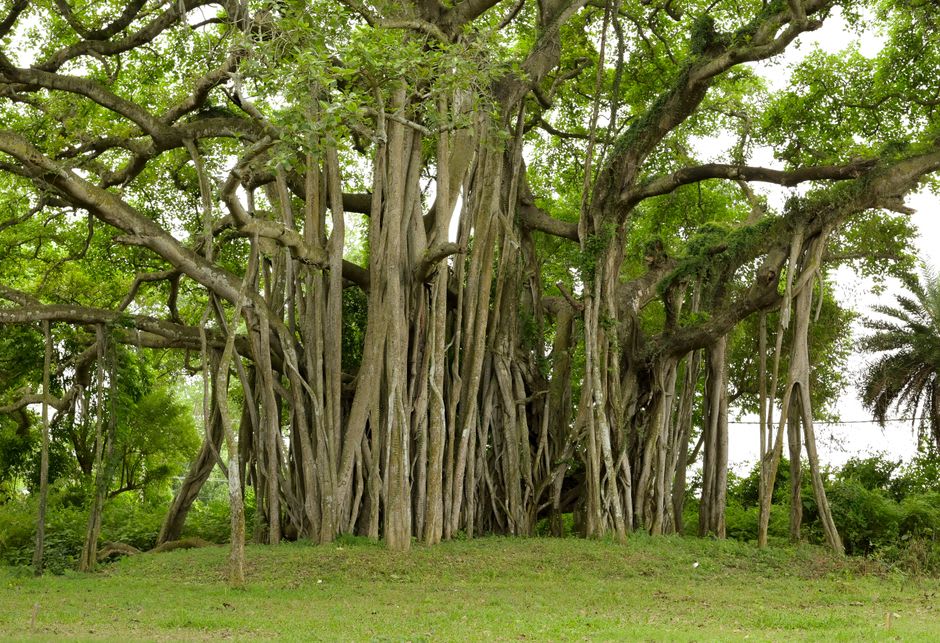
What struck me most was how communal the whole place felt. The springs sit on Maasai land, and we paid a small access fee to a local caretaker who’d clearly done this a thousand times — no ceremony, just a friendly nod and a gesture toward the water. We’d combined the trip with a stop at Materuni earlier that morning for the waterfall and a coffee tour, so by the time we reached Chemka we were sweaty and a little sunburned, and floating on our backs staring up at Kilimanjaro’s outline in the distance felt like the reward for the whole day.
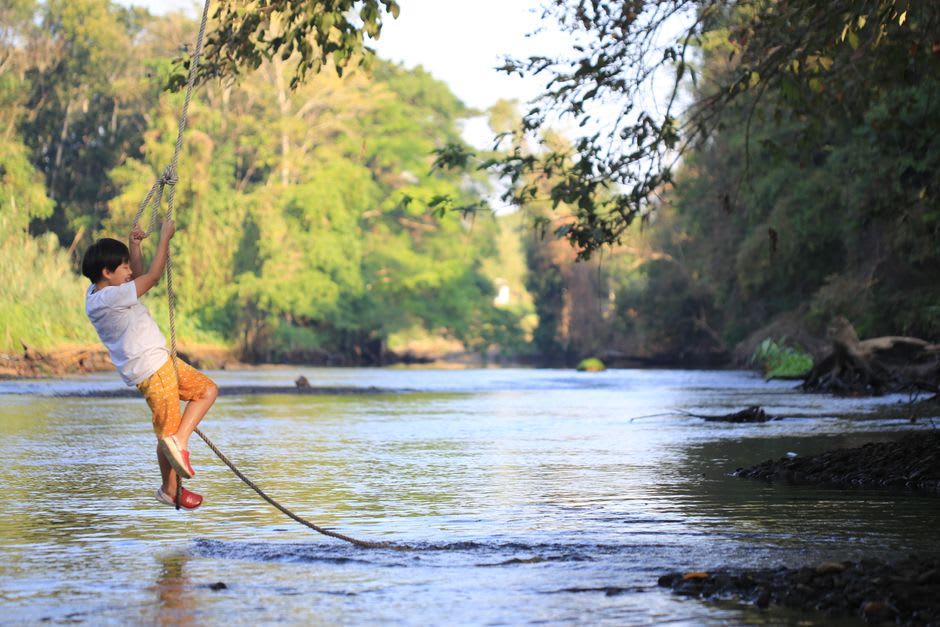
We stayed until the light went gold and the pool emptied out except for us and two local kids doing backflips off the bank. Driving back to Moshi, dust-caked and dripping, Lia said it was the closest she’d felt to being somewhere secret in all of Tanzania — which, given how many minivans pull up there on a Saturday, is a bit of an exaggeration, but I understood exactly what she meant.
When to go: We went in the dry season, and I’d recommend the same — June through October or January into February, when the access roads hold up and the water runs at its clearest.
Keep exploring
More from Kilimanjaro Region
 kilimanjaro-region
 Kibosho
A Chagga highland village above Moshi where three-hundred-year-old irrigation channels still run through banana terraces and the old mission still rings its bells.
Explore kilimanjaro-region
 Lake Chala
A perfectly circular crater lake on the Kenya-Tanzania border, impossibly blue and ringed by cliffs that guard it from the rest of the world.
Explore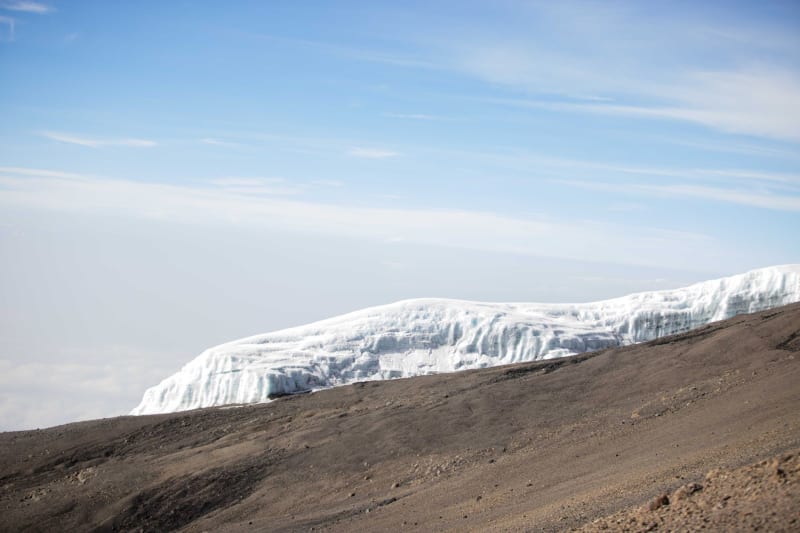 kilimanjaro-region
 Machame
The steep-sided valley where Kilimanjaro's most dramatic route begins, all bamboo forest and early-morning porter traffic and the quiet confidence of people who know the mountain.
Explore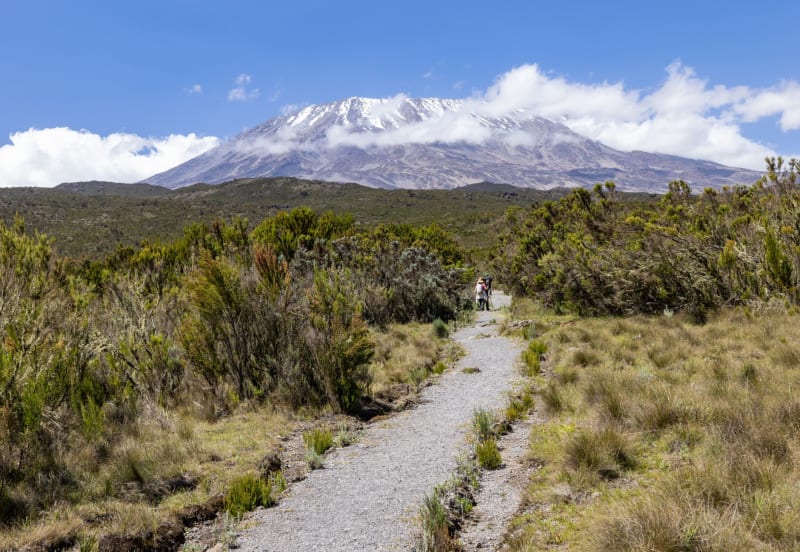 kilimanjaro-region
 Marangu
The oldest climbing village on Kilimanjaro, where colonial-era guesthouses and Chagga beer gardens sit at the foot of Africa's most-walked mountain route.
Explore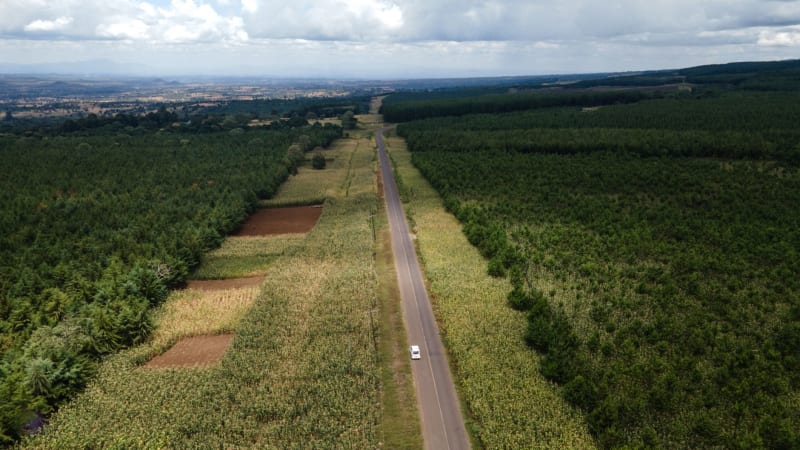 kilimanjaro-region
 Materuni Waterfalls
A half-day hike through banana groves and cardamom gardens to a thundering waterfall most Kilimanjaro climbers never find.
Explore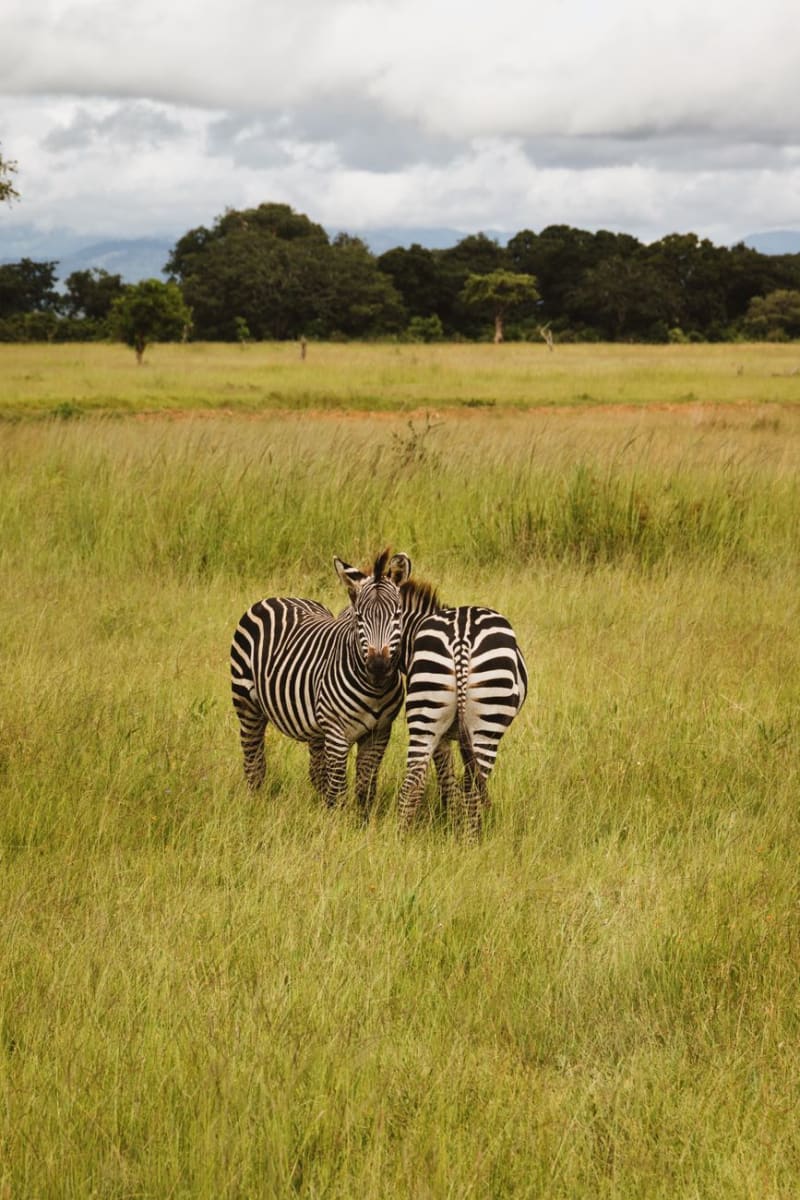 kilimanjaro-region
 Mkomazi National Park
A dry, overlooked savanna park below the Pare and Usambara mountains, where rhinos and wild dogs were brought back from nothing and almost nobody comes to see them.
Explore