Africa
Kilimanjaro Region
"The mountain that makes every flat thing beneath it feel like a rehearsal."
Where a snow-capped volcano erupts from the African savannah and the air at 5,895 metres tastes like the edge of the world.

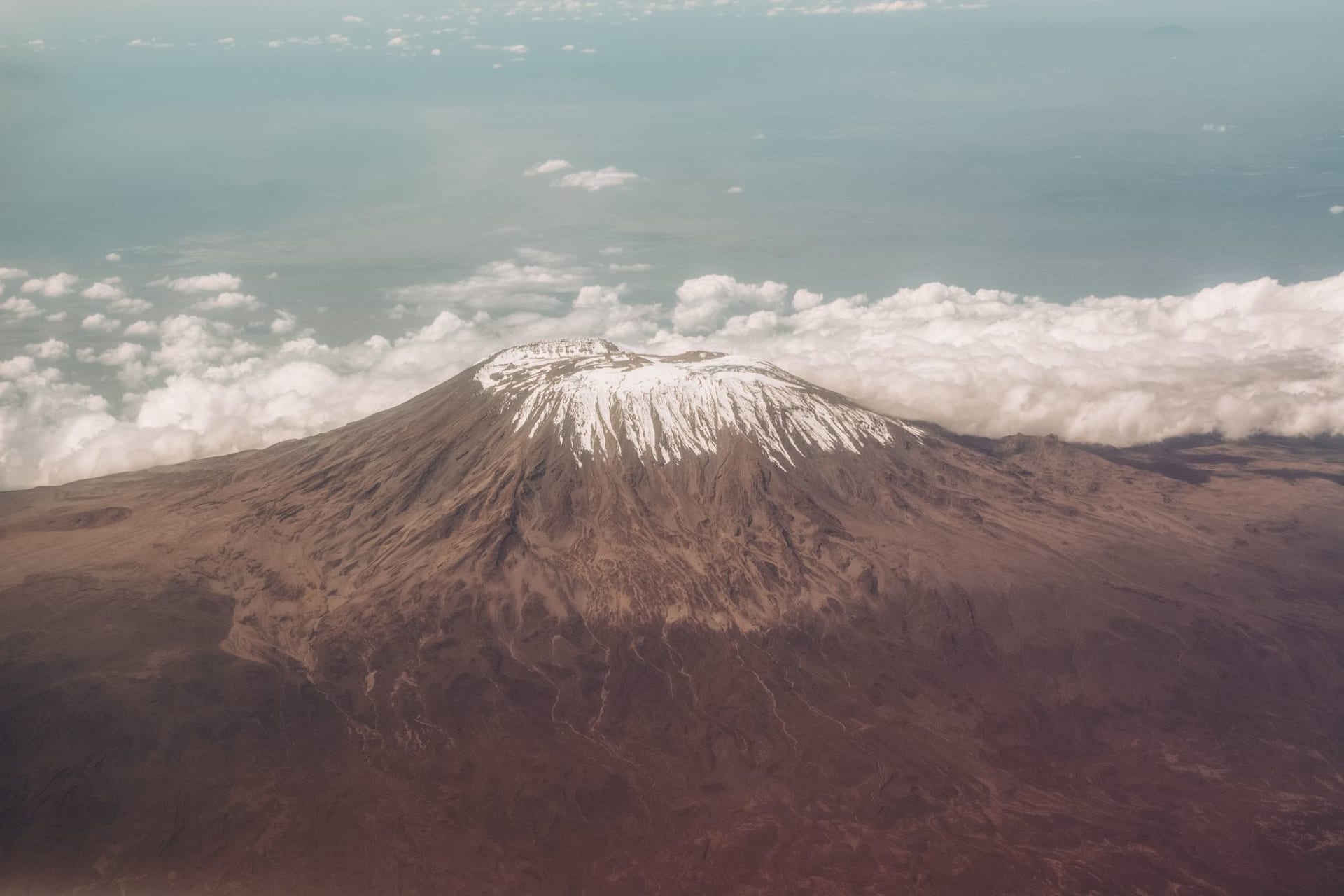
The first time Kilimanjaro appears through an aircraft window, you think the pilot is showing you something. A white mass suspended above a brown continent, impossibly tall, impossibly alone — no range to belong to, no gradual foothills easing the transition. It just rises, blunt and enormous, out of the northern Tanzanian plains. I had seen hundreds of photos and it still knocked the air out of me. That is the mountain’s opening move.
The region around the base is often skipped in the rush to either climb or transfer to Arusha for safari. That is a mistake. Moshi — the main town — has an energy that the guidebooks consistently underrate. Kilimanjaro Coffee Lounge on the main street makes one of the best flat whites I have found in East Africa, using beans grown on the mountain’s southern slopes. The Saturday market at Kiboriloni sells vegetables so fresh they are still caked in volcanic soil. And the Chagga people, who have farmed these slopes for centuries, run guesthouses and coffee farm tours that teach you more about the mountain than any summit certificate ever could. The Materuni waterfall hike through banana plantations and cardamom groves takes half a day and is worth every minute.
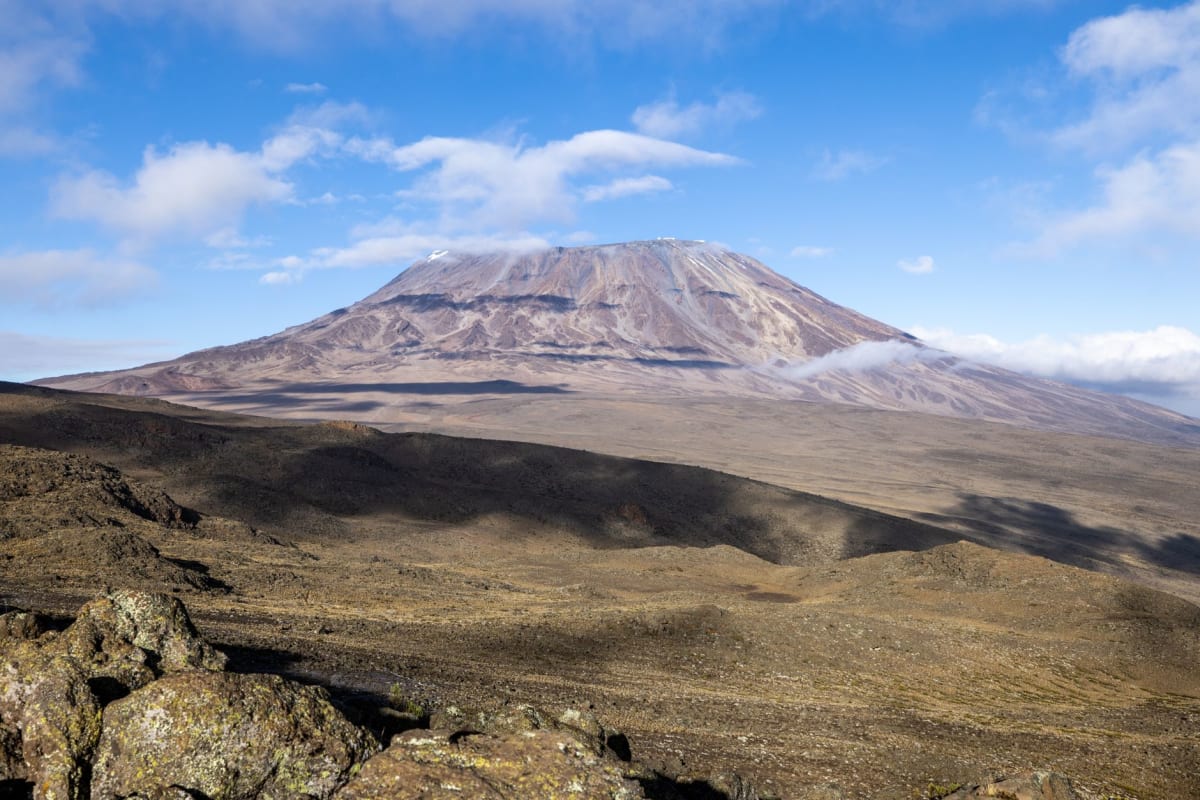
Climbing Kili itself is not the technical alpine experience people imagine. There is no ice axe, no rope, no previous mountaineering required. What it demands is time, patience, and the humility to walk embarrassingly slowly — the local guides say pole pole, slowly slowly, and they mean it at an altitude where your body processes oxygen like it is doing you a favour. I took the Lemosho route, seven days up through rainforest, moorland, heather, and finally the lunar desert of the crater rim. The last night — a midnight start from base camp to catch the summit at sunrise — is the hardest physical thing I have done. Standing at Uhuru Peak at 5,895 metres, watching the shadow of the mountain stretch across the cloud layer below, I understood why people come back to do it again.
When to go: January to March and June to October are the two main climbing windows, when the mountain routes are drier and visibility at the summit is more reliable. January to March has the added bonus of fewer crowds and clearer views from the lower slopes. Avoid April, May, and November, when the long and short rains make the trails heavy and cloud cover persistent. The base region around Moshi is pleasant year-round.
What most guides get wrong: They sell Kilimanjaro as a bucket-list checkbox and skip the region entirely. The mountain is magnificent, but the story of northern Tanzania lives in the villages below — the coffee farms carved into the slopes, the Chagga irrigation channels called mifongo that have been running for three hundred years, the market towns where Maasai herders and highland farmers have been trading since long before the first European ever pointed binoculars at the summit. You do not need to climb the mountain to understand why people have chosen to live in its shadow.
Explore
Places in Kilimanjaro Region
 kilimanjaro-region
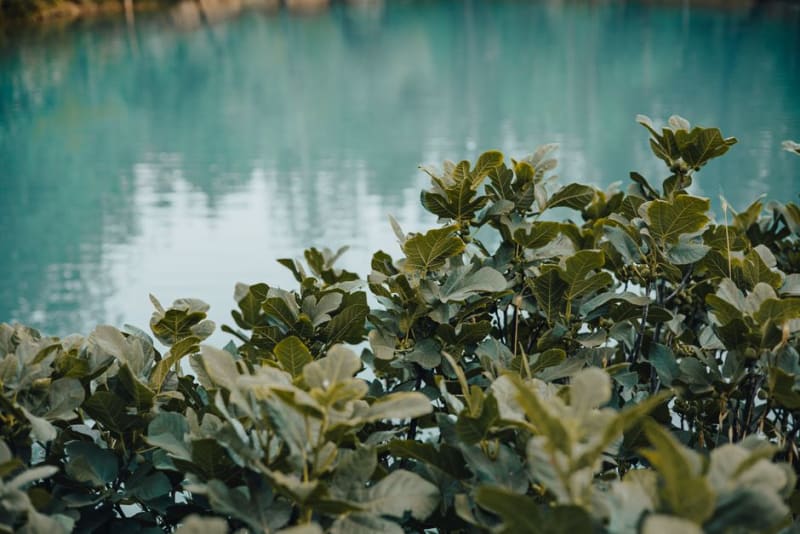
 Chemka Hot Springs (Kikuletwa)
A turquoise oasis fed by volcanic springs and fig tree roots, hidden in the bush a couple hours from Moshi.
Explore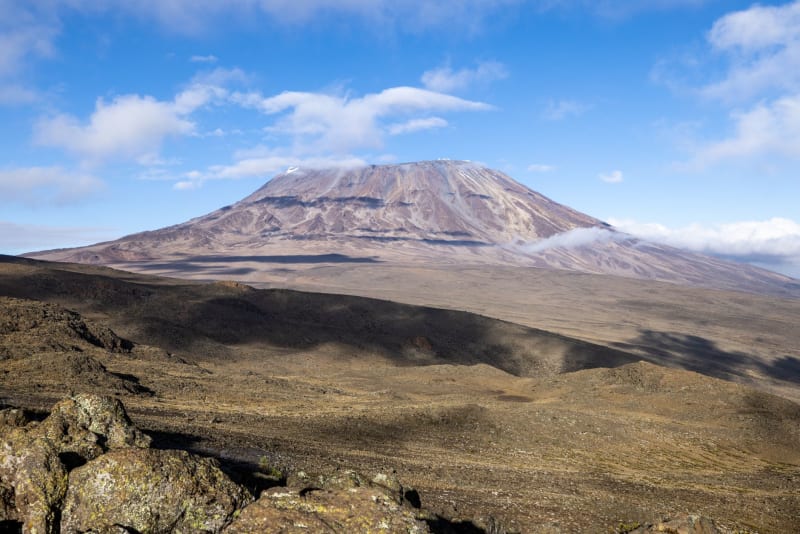 kilimanjaro-region
 Kibosho
A Chagga highland village above Moshi where three-hundred-year-old irrigation channels still run through banana terraces and the old mission still rings its bells.
Explore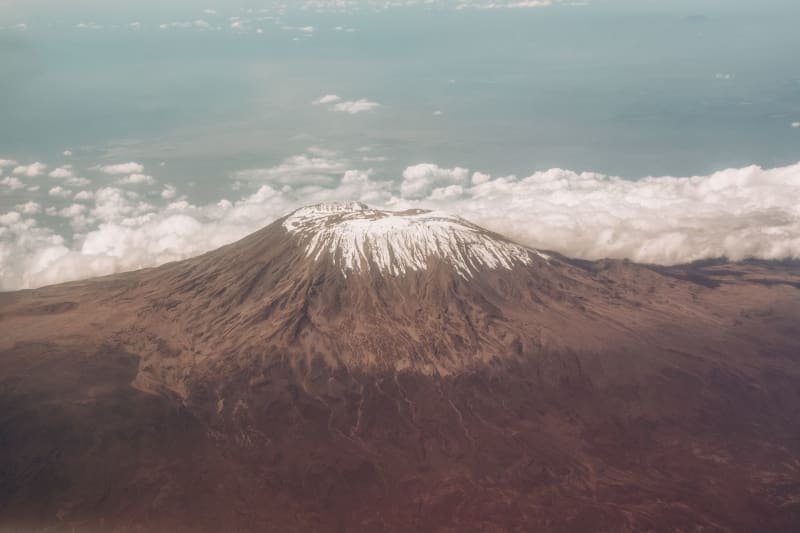 kilimanjaro-region
 Lake Chala
A perfectly circular crater lake on the Kenya-Tanzania border, impossibly blue and ringed by cliffs that guard it from the rest of the world.
Explore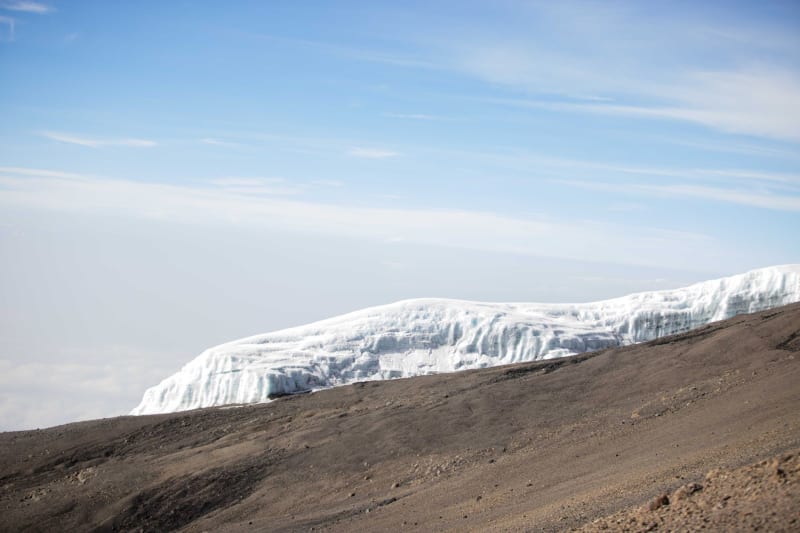 kilimanjaro-region
 Machame
The steep-sided valley where Kilimanjaro's most dramatic route begins, all bamboo forest and early-morning porter traffic and the quiet confidence of people who know the mountain.
Explore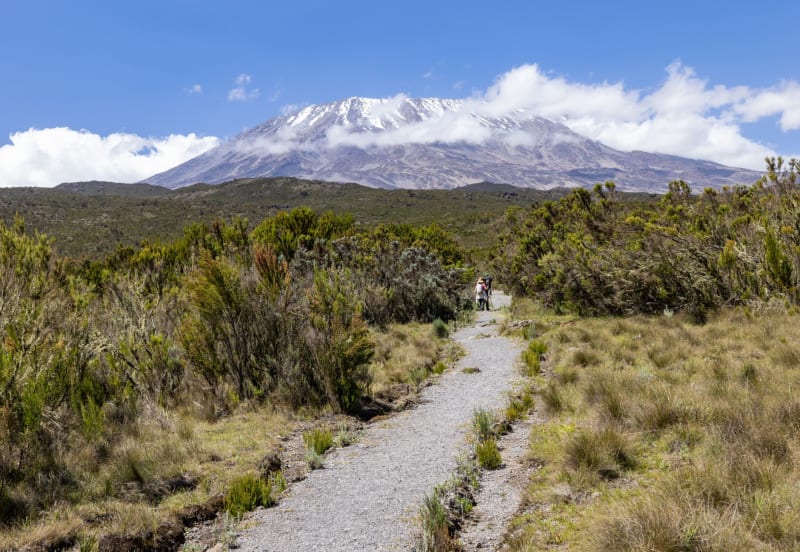 kilimanjaro-region
 Marangu
The oldest climbing village on Kilimanjaro, where colonial-era guesthouses and Chagga beer gardens sit at the foot of Africa's most-walked mountain route.
Explore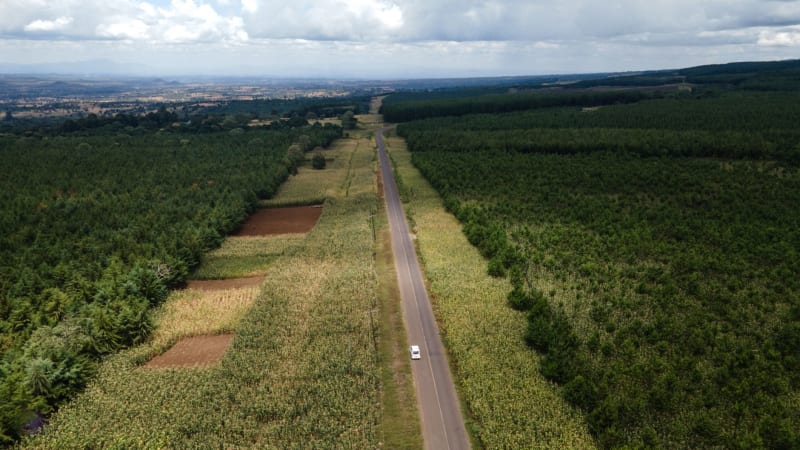 kilimanjaro-region
 Materuni Waterfalls
A half-day hike through banana groves and cardamom gardens to a thundering waterfall most Kilimanjaro climbers never find.
Explore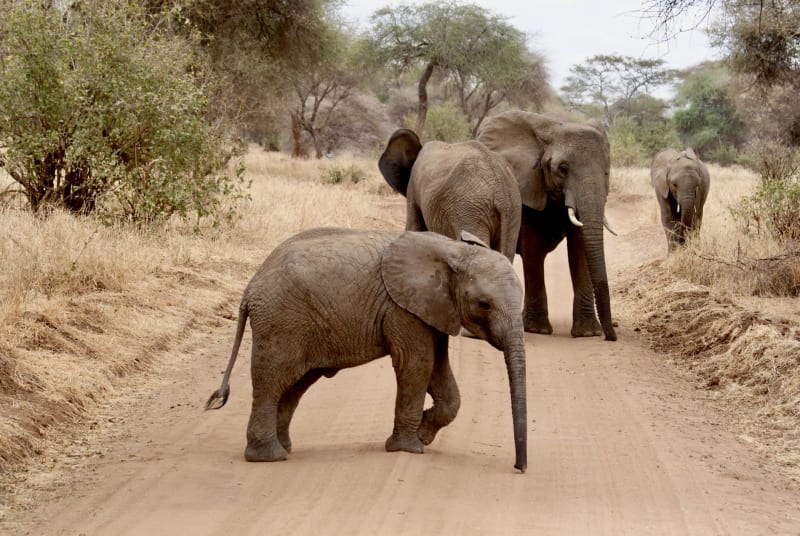 kilimanjaro-region
 Mkomazi National Park
A dry, overlooked savanna park below the Pare and Usambara mountains, where rhinos and wild dogs were brought back from nothing and almost nobody comes to see them.
Explore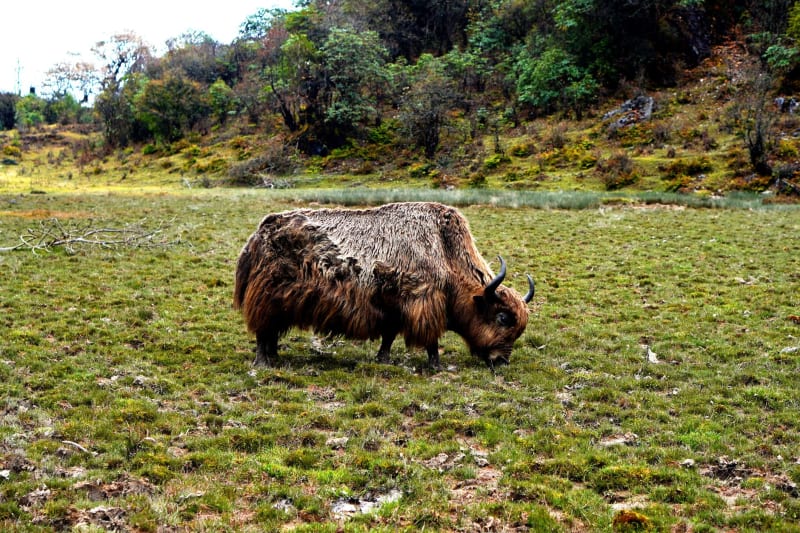 kilimanjaro-region
 Moshi
A market town at Kilimanjaro's feet where volcanic coffee, Chagga culture, and the mountain's shadow define daily life.
Explore kilimanjaro-region
 Mweka Forest
The dense montane forest corridor on Kilimanjaro's southern slopes, where colobus monkeys, descent-day euphoria, and the return of proper oxygen share the trail.
Explore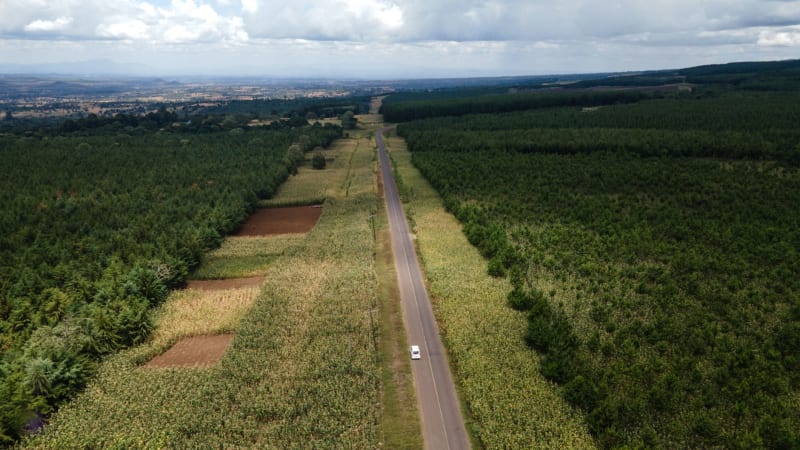 kilimanjaro-region
 Rongai
The quiet northern approach to Kilimanjaro through semi-arid Maasai plains, where the mountain's windward face shows a completely different character.
Explore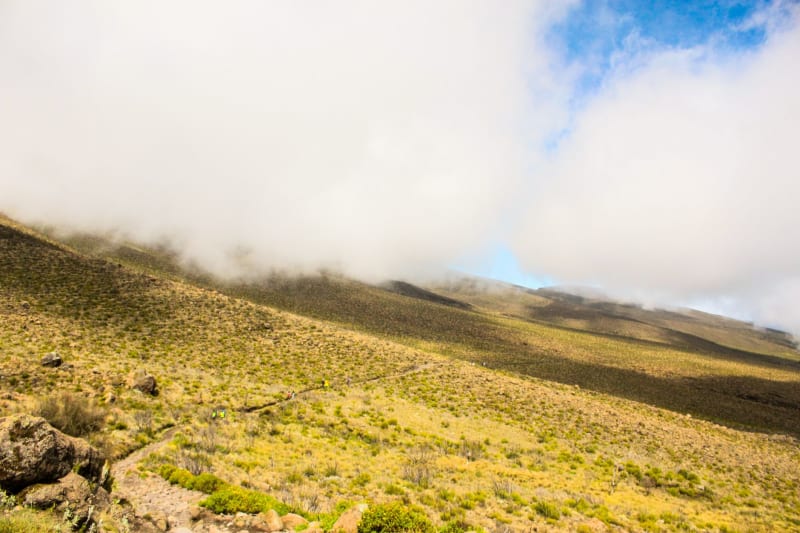 kilimanjaro-region
 Same
Where the Kilimanjaro region's southern edge meets the wild escarpment of the Pare Mountains and the emptiest national park in Tanzania.
Explore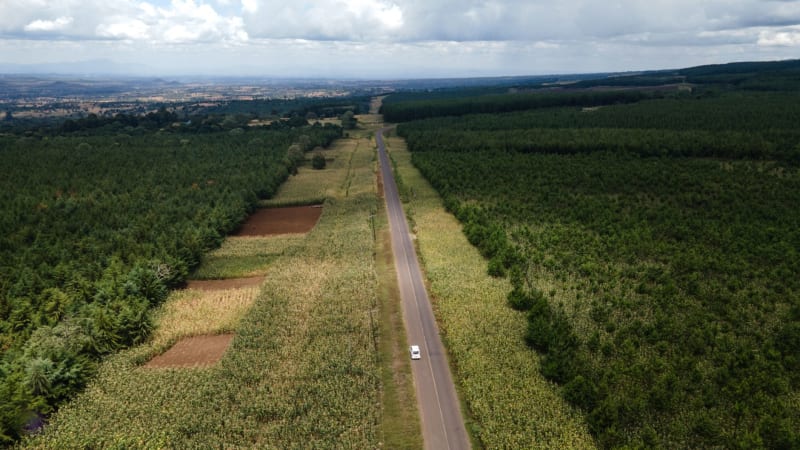 kilimanjaro-region
 Shira Plateau
Kilimanjaro's vast collapsed caldera turned highland moorland, where giant senecio trees grow like something invented by a fever and the sky runs in every direction.
Explore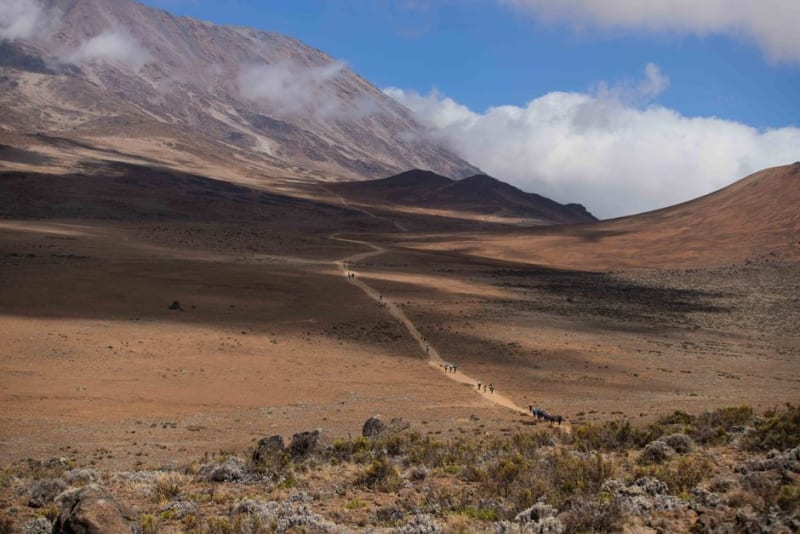 kilimanjaro-region
 Umbwe Route
The steepest, quietest way up Kilimanjaro, climbing straight through rainforest with almost no one else on the trail.
Explore