Thekkady
"We didn't see the tiger. We saw everything the tiger had touched — which, Rajan said, is the same thing from the tiger's perspective."
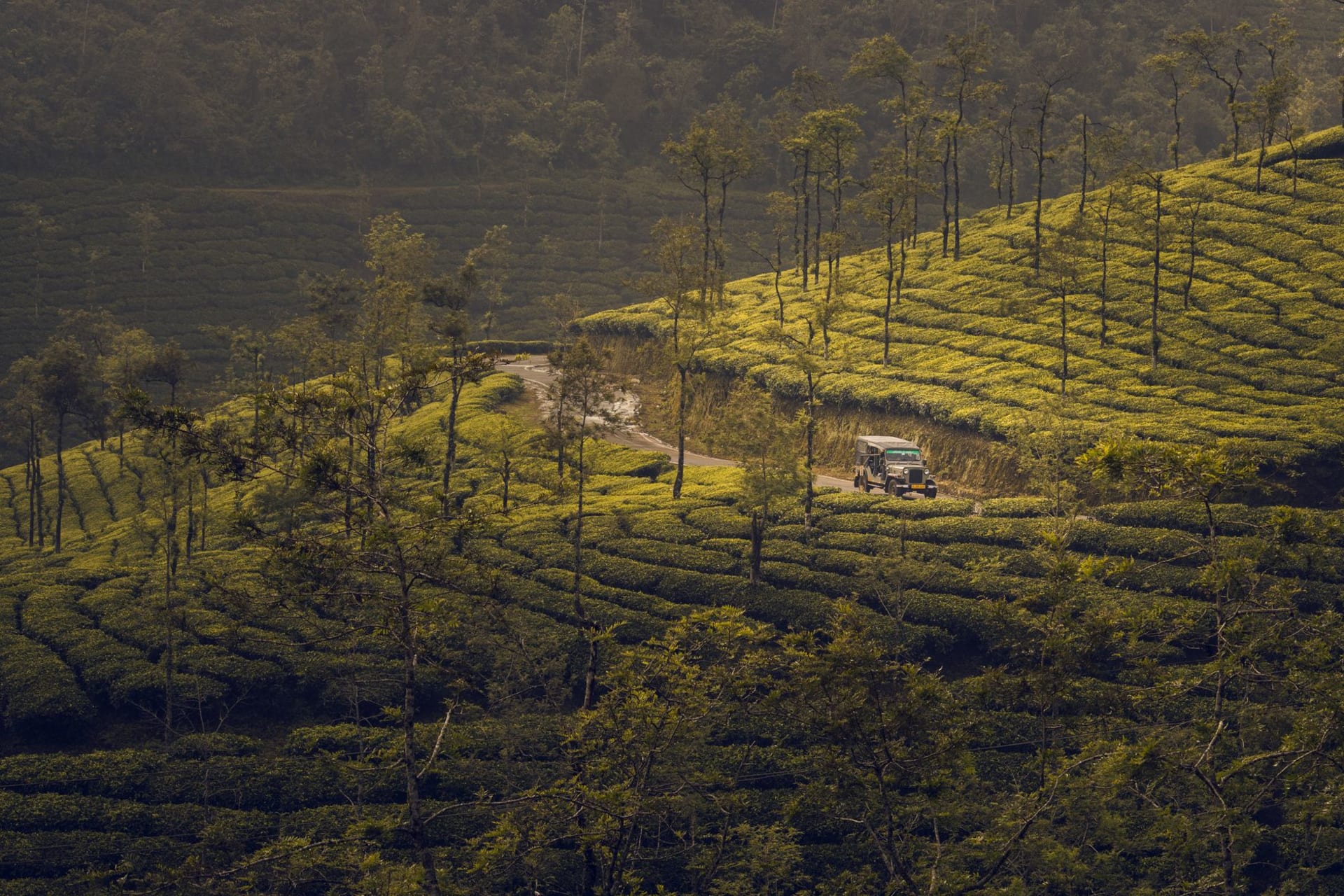
The spice route into Thekkady begins at a certain altitude in the Western Ghats, where the air changes and you start to smell things before you see them. Cardamom first — that clean, camphorous sweetness drifting off the plants growing in the shade of the forest canopy. Then pepper, its vines climbing the trunks of silver oak trees in arrangements that look almost decorative. Then, occasionally, the sharper smell of cinnamon being processed somewhere off the road.
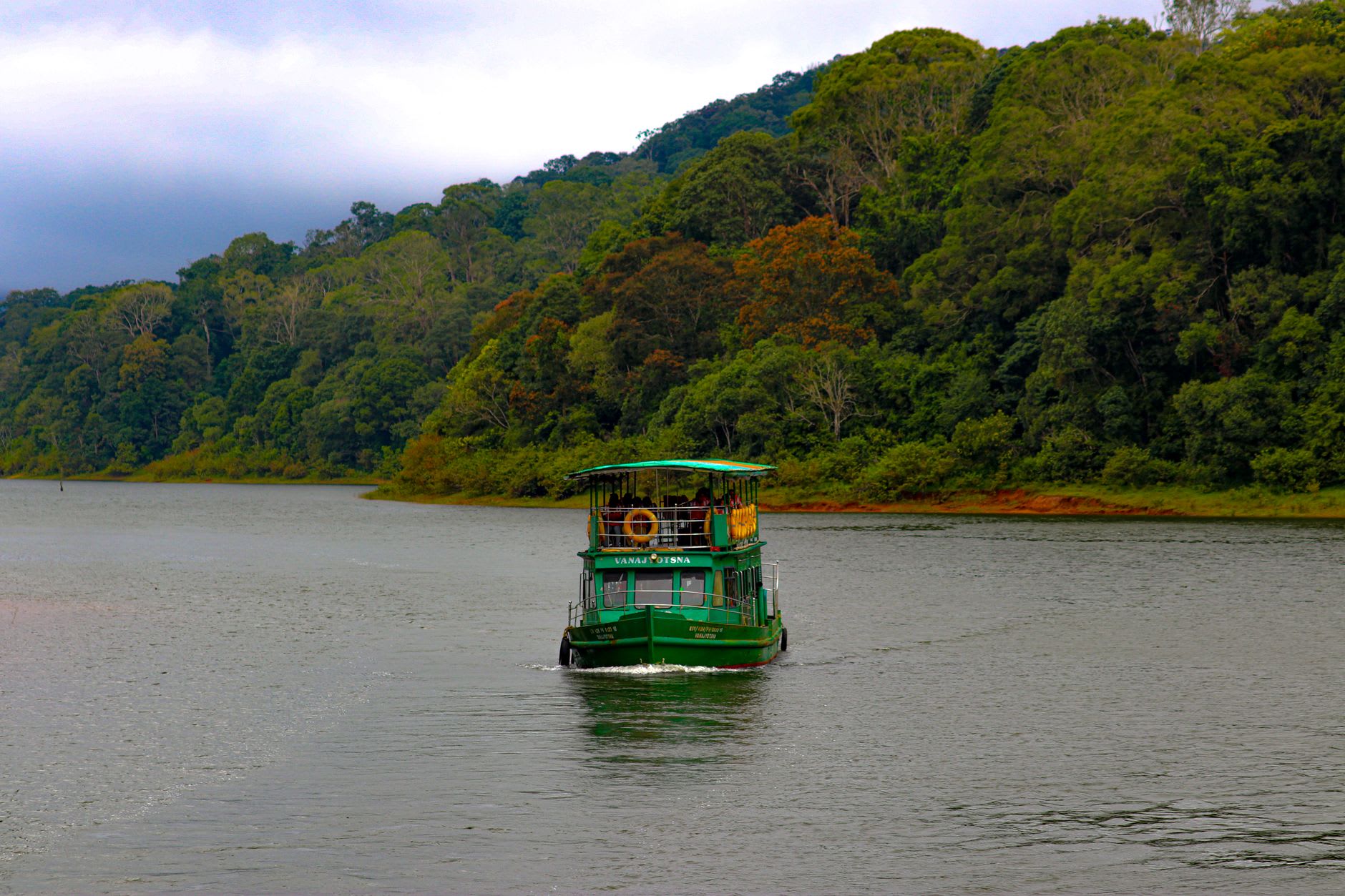
I had come to Thekkady for the Periyar Tiger Reserve, which is one of the better-managed wildlife sanctuaries in India, though “tiger reserve” is somewhat misleading advertising — the tigers are present but invisible, or at least they were for me. What is not invisible: elephants, Indian gaur with their white stockings and enormous dark bodies, sambar deer, Malabar giant squirrels in the high canopy, and an improbable concentration of birds. I took the boat on Periyar Lake in the early morning — the lake was created when the British dammed the Periyar River in 1895 — and we drifted past submerged dead trees, their trunks emerging from the mist like something in a landscape painting that didn’t know when to stop.
The town of Kumily, where most people base themselves, is built entirely around the commerce of spices and tourism and wears this honestly. The spice shops on the main road sell everything loose — you can fill small bags with dried pepper, star anise, turmeric — and the owners explain the differences between varieties of Tellicherry pepper and common pepper, between fresh and dried cardamom, with a seriousness that suggests they find most visitors’ ignorance genuinely puzzling.
I took a guided walk into the buffer forest zone with a man named Rajan, who had been leading these treks for fifteen years and spoke of the animals the way old farmers talk about weather — with a deep, unsentimental attention born of paying close notice over a long time. He showed me the difference between tiger scrapes and panther scrapes in the mud, and the places where elephants had rubbed their sides against trees until the bark was smooth and dark. We did not see a tiger. We saw evidence of tigers everywhere, which is, Rajan said, exactly the same thing from the tiger’s perspective.
The evening meal in Kumily is an event to plan. Several homestays serve what they call traditional Kerala meals that are actually the best version of this: a plantain leaf spread on the table, rice mounded at the center, a sequence of small bowls arriving — thoran of grated coconut with bitter gourd, dal tempered with mustard seed, a mango curry that achieves some impossible balance between sour and sweet. I ate one of these meals in a family compound, watching the cook bring dishes out of a small outdoor kitchen while her husband slept in a rattan chair nearby, and it was as perfect as dinner gets.
When to go: October to May. The park closes during the heaviest monsoon months (June–August). The morning wildlife boat is best in January and February when dry conditions push animals toward the lake edge. Book park entry in advance during peak season (December–January).