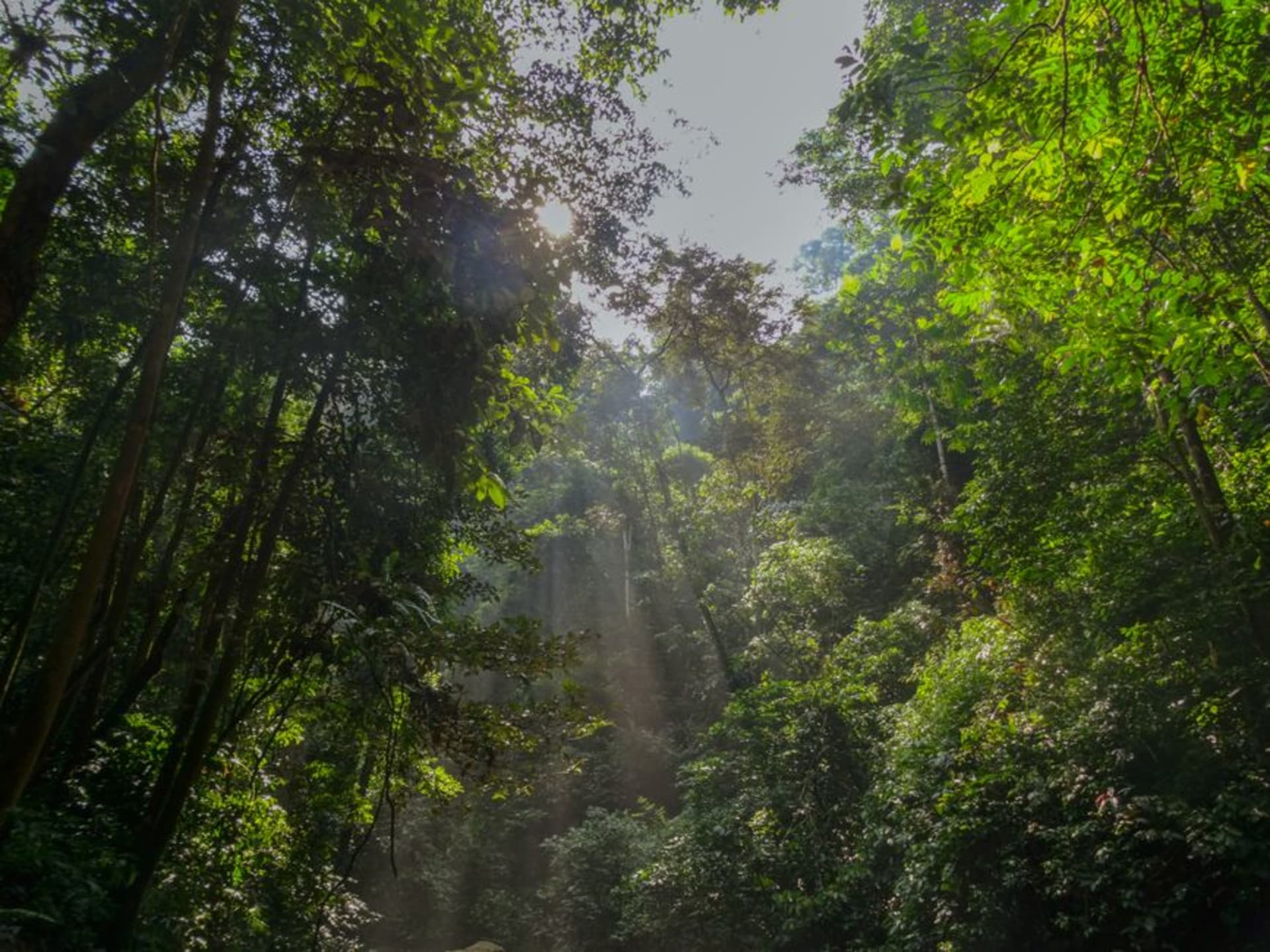
Kenya's last rainforest fragment, where the savanna gives way to dripping canopy, birdsong, and monkeys found nowhere else in the country.
By the time Lia and I reached Kakamega, we’d already done the version of Kenya everyone pictures: dust, acacias, a horizon you could see for miles. So it caught me off guard when the road west of Kisumu narrowed, the light changed, and suddenly we were driving under a green ceiling so thick it felt like dusk at noon. Kakamega is the last surviving scrap of the Guineo-Congolian rainforest that used to stretch clear across equatorial Africa, and you feel that history the second you step out of the car — it doesn’t feel like the rest of Kenya, because ecologically speaking, it isn’t.
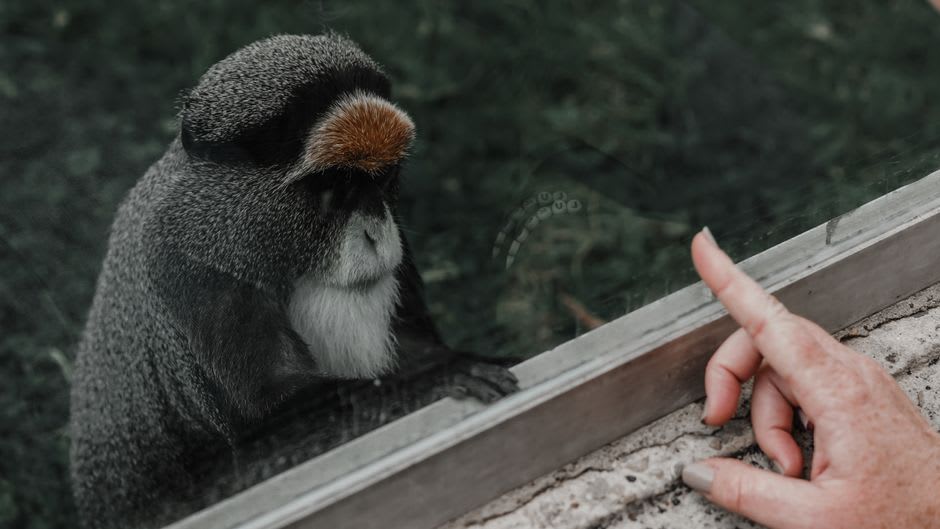
We stayed two nights near the edge of the reserve and hired a local guide, a quiet man named Wilberforce who could apparently identify a bird from a single note without breaking stride. That’s the thing about Kakamega — over 400 recorded species live in this forest, and even as a non-birder I found myself getting pulled in, craning my neck at every rustle. What actually stopped me in my tracks, though, was a troop of De Brazza’s monkeys watching us from a fig tree, their white beards almost comic against the dark foliage. You don’t see them most other places in Kenya. Neither do you see blue monkeys the way we did here, moving through the mid-canopy in loose, unbothered groups.
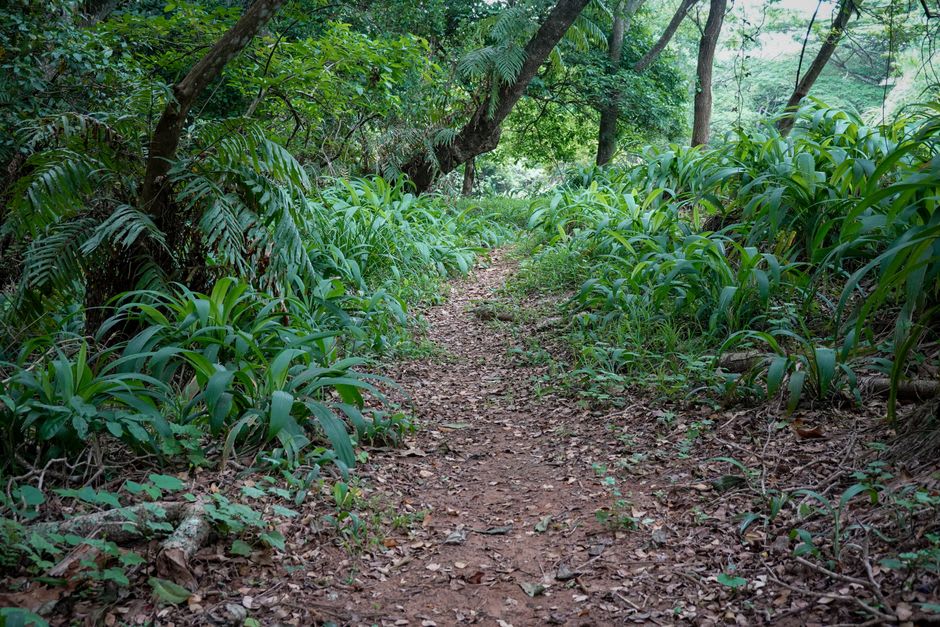
On our second morning, Wilberforce walked us through a stretch of trail lined with plants he named one by one — this one for fever, that one for wounds, another used in a ceremony he wouldn’t describe in detail. The Isukha and Idakho communities who live around the forest still hold it as something closer to a pharmacy and a sanctuary than scenery, and that framing changed how I looked at the place for the rest of the trip. It’s not a park performing wilderness for visitors; it’s a forest people still depend on.
We left Kakamega muddy, mosquito-bitten, and quietly floored that this pocket of jungle exists at all in a country so associated with open plains. Lia said it best on the drive back to Kisumu — it felt like Kenya kept a secret from us for the first half of the trip.
When to go: We went in July and had clear trails and steady birdsong, but I’d point you to either window — December to February or June to August — since both fall in the drier stretches when the paths hold up and the canopy actually cooperates for spotting wildlife.