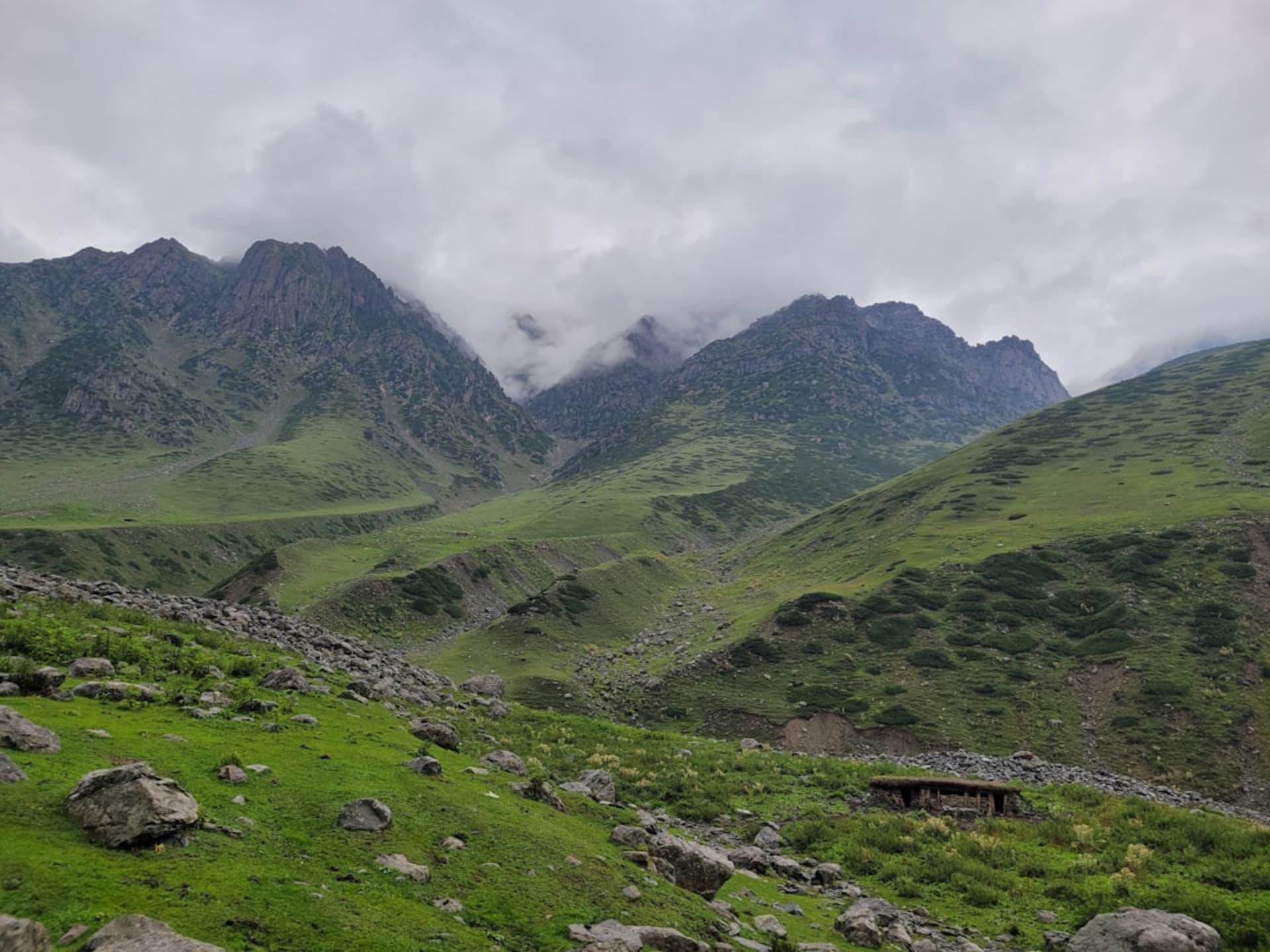
Pari Mahal
"The palace of fairies, they call it. I'd have believed it even without the name."
A terraced Mughal-era palace built for a prince who preferred astronomy and Sufi philosophy to the business of ruling an empire.
Pari Mahal sits above Srinagar on a spur of the Zabarwan range, high enough that the climb up from the road left me slightly out of breath and entirely rewarded — the whole sweep of Dal Lake and the city beyond opens up from the top terrace in a way that no photograph I’d seen beforehand had quite captured. The name translates to Palace of Fairies, which sounds like tourist-brochure whimsy until you learn the more grounded version of the story: it was built in the mid-seventeenth century by Dara Shikoh, the eldest son of Shah Jahan and heir apparent to the Mughal throne, as a school for Sufi philosophy and, reportedly, astronomy — a place for a prince more interested in comparative religion and the movement of stars than in the war of succession that would eventually cost him his life.
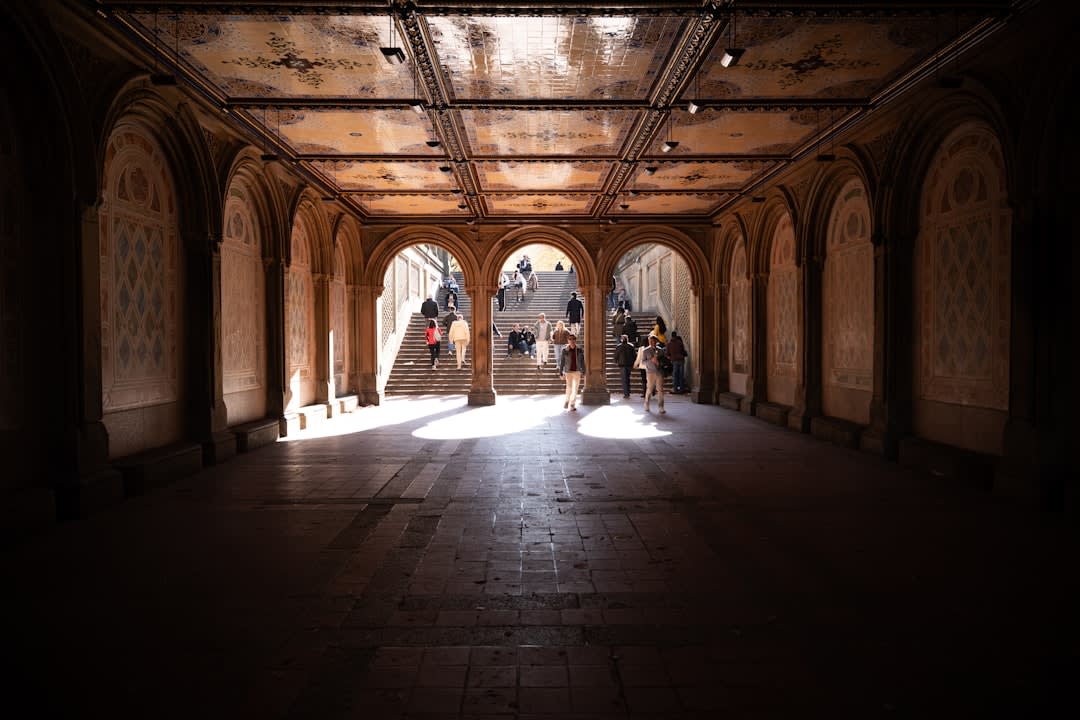
The building itself is a series of six terraces climbing the hillside, connected by stone stairways, each level framed with the same graceful stone arches, some now open to the sky where roofs have long since disappeared. There’s a hammam, the remains of a garden, and enough structural elegance still intact that you can trace the shape of the whole complex without much imagination. I climbed to the topmost terrace at golden hour, when the low sun caught the arches at an angle and threw long shadows across the stone floor, and sat there for a while watching the light change over the lake below, small shikaras crossing the water like slow-moving punctuation marks.
Dara Shikoh lost the succession war to his brother Aurangzeb and was executed in 1659, a detail that gives Pari Mahal a slightly melancholy undertone once you know it — a place built by a man interested in ideas over power, in a dynasty that ultimately rewarded the opposite instinct. These days the site is lit up after dark, and locals told me the evening illumination draws its own crowd, the terraces glowing against the darkening hillside, visible from parts of the lake below. I didn’t stay for it. I preferred the palace half-lit by the last of the daylight, quiet enough that I could imagine, without too much effort, a prince up here with his books and his telescopes, briefly and deliberately far from everything that would eventually catch up with him.
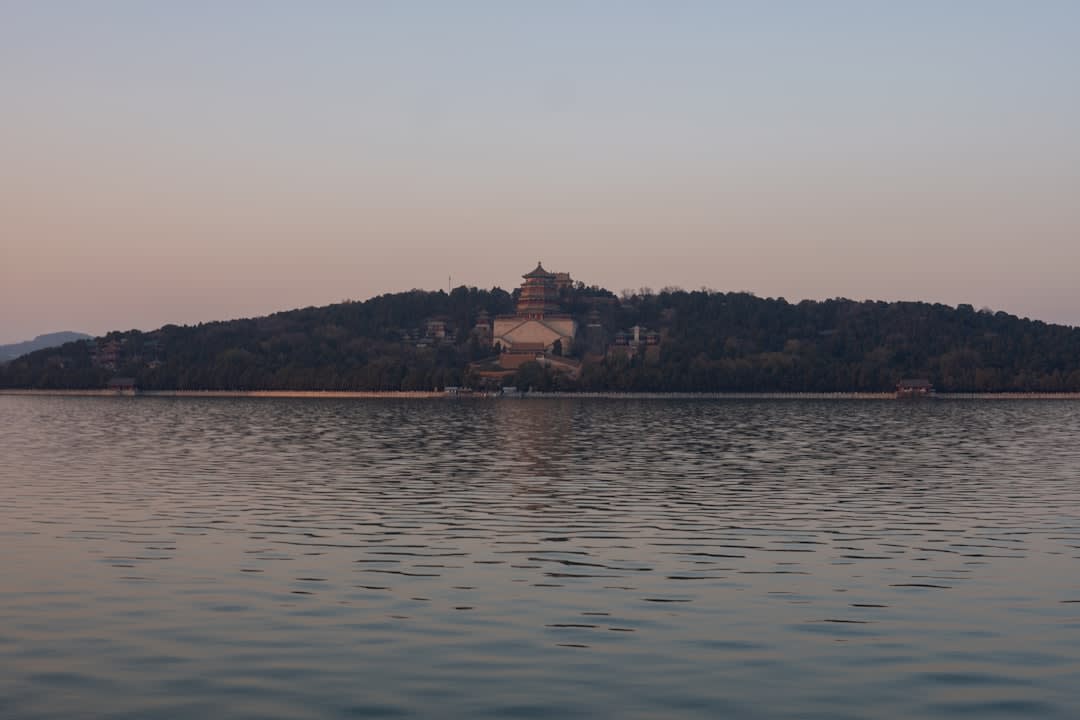
When to go: Year-round, but late afternoon into early evening for the best light on the stonework and the clearest views over Dal Lake. Spring brings the added bonus of the tulip garden on the slope just below.